How Oman’s Growing Electricity Sector Is Shaping Business Opportunities Amid Rising Demand
MUSCAT, APRIL 5 – The Sultanate of Oman is making significant progress in electricity and energy projects that align with its strategic objectives of achieving energy self-sufficiency, sustainability, economic growth, and an increased reliance on renewable resources.
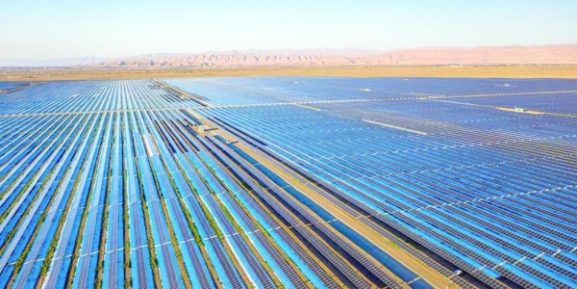
According to the latest statistics from the Authority for Public Services Regulation (APSR), total electricity production rose by 14.6 percent by the end of January 2026, reaching 3,256.5 gigawatt-hours (GWh), compared to 2,841.5 GWh during the same period in 2025. Eng Alaa Hassan Mousa al Lawati, CEO of Nama Electricity Distribution Company, emphasized that the sector is witnessing significant advancements, particularly in strategic generation projects and a transition toward renewable energy, which constituted 9.46 percent of total production in 2025.
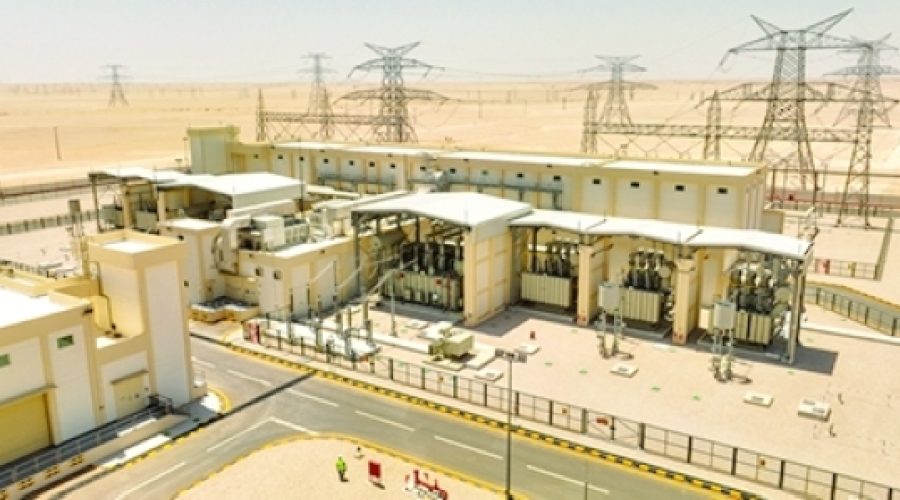
In terms of infrastructure, the transmission segment has expanded line lengths by 40 percent, and the number of substations has increased by 13 percent. Distribution metrics also reflect growth, with a 13 percent rise in network length and an 8 percent increase in substations. The digital transformation of the supply segment advanced notably, achieving full digitization in billing by 2025, as electronic payments surged to 78 percent over the same timeframe.
The sector has embraced artificial intelligence and data analytics to improve customer experiences, allowing real-time monitoring of consumption through smart meters. Initiatives to enhance services include upgraded call center operations, an expansion of electronic services, streamlined billing and payment processes, and stronger integration with government platforms. Load-shedding systems have also been implemented to improve network efficiency, along with enhanced customer satisfaction measurement and upgrades to digital portals and applications.
In response to recent adverse weather conditions, authorities have prioritized the resilience of electrical networks situated in wadi beds. The APSR has initiated a comprehensive review and redesign of infrastructure in these areas to enhance safety and reliability.
Eng Al Lawati reported that all lines in wadi areas have been evaluated and are currently in the design phase, setting the stage for reconstruction to higher technical standards. Over RO 30 million has been allocated for these improvements, including the relocation of affected poles, network reinforcement, and the construction of new substations.
The increase in electricity production is also fueled by rising energy demand, particularly due to industrial expansion. The Public Authority for Special Economic Zones and Free Zones indicated that new investments in 2025 surpassed RO 1.4 billion, bringing total committed investments in its areas to RO 22.4 billion.
Eng Hilal bin Mohammed al Ghaithi, Director General of Energy at APSR, noted that the growing electricity demand is being addressed alongside a strategic transition toward green hydrogen. Oman aims to establish green hydrogen as a vital energy source for the future to reduce gas dependency, improve sustainability, lower emissions, and diversify electricity generation reliably and cost-effectively.
Additionally, Oman has inaugurated its first green hydrogen mobility station, which offers hydrogen refueling alongside quick charging for electric vehicles and conventional fuel options, all in one location. This initiative supports Oman Vision 2040 and aims to achieve carbon neutrality by 2050 through the promotion of low-carbon mobility solutions.
Special Analysis by Omanet | Navigate Oman’s Market
The recent advancements in Oman’s energy sector signal a transformative shift towards renewable resources, presenting significant opportunities for businesses focused on sustainability and green technologies. With the government’s commitment to investing over RO 30 million in infrastructure resilience and increasing reliance on green hydrogen, smart investors should consider exploring projects that align with Oman’s strategic objectives for economic diversification and carbon neutrality. However, the rising electricity demand driven by industrial expansion also poses risks, as businesses must adapt to evolving energy landscapes while ensuring robust operational resilience.