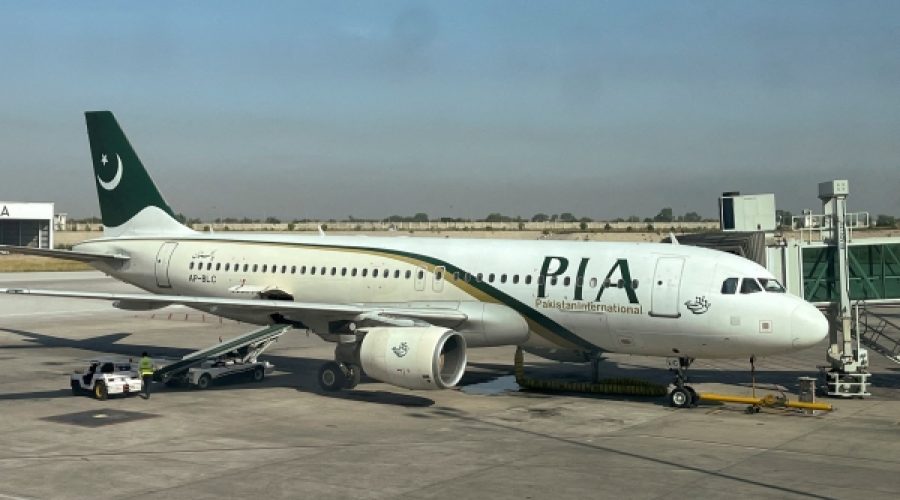
Pakistan’s PIA Privatization: What the Three Bids Mean for Investors and Business Opportunities
Pakistan has received three bids on Tuesday for the privatization of its struggling national airline, Pakistan International Airlines (PIA), as reported during a live state television event.
The bidders include three domestic consortia: one led by Lucky Cement, the second by Airblue, and the third by investment firm Arif Habib. This marks the second televised attempt by Pakistan to sell its once-prominent flag carrier, following a failed auction last year that attracted only one bid, significantly below the government’s reference price. That setback prevented Pakistan from achieving its first major privatization in nearly twenty years.
During the live broadcast, representatives from the bidding groups entered one by one to place their sealed offers into a transparent box, handling the envelopes with slight hesitation amid the public ceremony.
The bidding process for a majority stake in PIA is set to occur in two phases, with a second open-bidding event planned for later in the day, as confirmed by officials. Prime Minister Shehbaz Sharif expressed gratitude to the ministers and head of the Privatization Commission for ensuring transparency in the process and encouraged cabinet members to participate in the subsequent ceremony.
The consortium led by Lucky Cement Limited includes Hub Power Holdings Limited, Kohat Cement Company Limited, and investment firm Metro Ventures. The second consortium, spearheaded by Arif Habib Corporation Limited, consists of Fatima Fertiliser Company Limited, City Schools, and Lake City Holdings Limited. The third bidder is the private airline Air Blue (Private) Ltd.
Under the transaction framework, the government is considering selling up to 100% of PIA, with any stake exceeding 75% subject to a 15% premium, according to local media sources.
In the previous year, the government established a minimum price of $305 million for a 60% stake but received a single bid of only $36 million from Blue World City, a real estate developer, which declined to increase its offer due to concerns regarding PIA’s financial stability and what it termed “significant leakages.” Many representatives from pre-qualified groups opted not to bid due to worries about policy consistency, unfavorable conditions, and doubts regarding the government’s long-term commitments, particularly after Islamabad sought to renegotiate sovereign-guaranteed power contracts.
Since then, PIA’s outlook has improved. The Pakistani government has taken on most of the airline’s legacy debts, PIA has reported its first pre-tax profit in two decades, and both the United Kingdom and the European Union have lifted a five-year ban that had restricted PIA’s access to its most profitable routes.
The resumption of these routes could significantly boost revenues, enhancing the airline’s valuation compared to last year’s unsuccessful auction, according to analysts and government officials.
The privatization of PIA is part of a broader strategy under Pakistan’s IMF bailout, which also involves plans to divest stakes in state-owned banks, power distribution companies, and other loss-incurring entities, as the government aims to mitigate fiscal pressures and restore investor confidence.
Special Analysis by Omanet | Navigate Oman’s Market
The recent bids for Pakistan International Airlines signal a critical juncture for businesses eyeing privatization trends in the region. Opportunities arise for strategic investors to capitalize on government-backed reforms and improved financial health of state enterprises, particularly amidst a backdrop of rising profitability and lifted trade restrictions. However, potential risks loom due to political policy uncertainties, necessitating that smart investors conduct thorough due diligence before engaging in similar markets.