Raising Standards in Oman: How Enhanced Quality Can Open Doors to Global Markets for Your Business
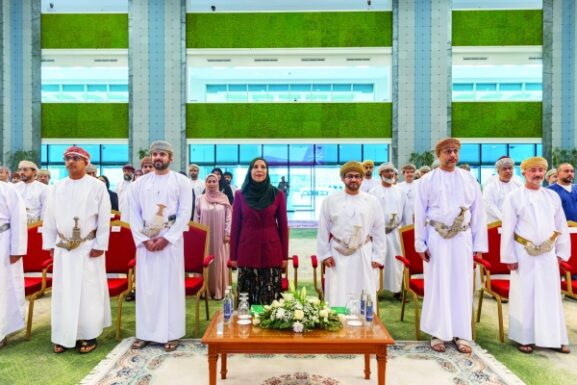
MUSCAT, JUNE 15 — In a concerted effort to boost export readiness and enhance the competitiveness of Omani enterprises, the Ministry of Commerce, Industry, and Investment Promotion (MoCIIP) is actively engaging industry leaders in workshops aimed at positioning Oman more effectively in the global marketplace.
The Observer spoke with two notable Omani exporters: Abdullah al Qulaibi, a veteran manufacturer of electrical transformers, and Abdulrahman al Harousi from the Omani Farmers Association. Their insights shed light on what export success entails on the ground and the obstacles faced, while also identifying necessary changes to enhance competitiveness.
Both discussions highlight a significant point emerging from the MoCIIP’s workshops: Oman possesses real competitive advantages—such as a rich manufacturing heritage, high-quality agriculture, and favorable geographic positioning. However, transforming these advantages into sustained export growth requires strategic investments in infrastructure, coordinated efforts among institutions, and a long-term commitment to maintaining quality standards. Despite this promising dialogue, both exporters acknowledge that the hard work is just beginning.
Willingness to Adapt
Abdullah al Qulaibi, Electrical Transformer Manufacturer
Al Qulaibi has been exporting for nearly four decades. When asked what this longevity indicates about Omani manufacturing exports, he stated, “It suggests that Omani manufacturers can compete successfully in both regional and international markets by maintaining consistent quality and adapting to changing customer demands. Long-term exporting success relies on understanding market needs, adhering to industry standards, and staying responsive to market shifts.”
He emphasized that the main challenge lies not in the act of exporting itself but in keeping pace with evolving market conditions. “Export requirements are fluid. Technical standards, documentation, compliance needs, and customer expectations frequently change, often becoming more stringent over time. For instance, energy efficiency standards are increasingly tightening in various countries. Manufacturers must remain informed and adaptable to stay competitive, which makes industry workshops and training valuable.”
When considering market entry strategies, Al Qulaibi suggested that both direct and indirect exporting have their benefits. “Direct exporting fosters closer customer relationships and allows for better control over pricing and branding. On the other hand, indirect exporting—through distributors or agents—can help businesses penetrate unfamiliar markets where they lack established networks. The ideal approach varies based on the company’s size, experience, and target market.”
He also shared insights on e-commerce’s relevance in industrial manufacturing. “For large industrial equipment, online platforms aren’t the primary sales channel, as these products often require customized specifications and technical assessments. However, digital platforms are crucial for marketing, engaging customers, and disseminating information about products and industry developments. A robust online presence can enhance brand visibility in international markets.”
Quality Enforcement Is Key
Abdulrahman al Harousi, Omani Farmers Association
Al Harousi noted that his organization aims to empower Omani farmers to achieve sustainable incomes. “We take pride in the quality of Omani agricultural products. Currently, we are exporting fruits and vegetables to Germany and the United Kingdom, targeting Asian diaspora communities that are familiar with our offerings.”
He highlighted a strategic insight, saying that success doesn’t necessitate appealing to the entire European market. “Instead, it’s about finding a niche community or distribution channel that already values your products, which allows us to expand into new markets in Europe effectively.”
While he described the current season as excellent and lauded the quality of Omani farms, Al Harousi acknowledged ongoing structural challenges. “Contract farming significantly improves planning. By understanding what European markets demand and what prices are stable, we can coordinate production with guaranteed buyers, ensuring consistent supply and quality.”
Regarding the importance of maintaining a positive reputation for Omani exports, he cautioned, “One exporter delivering substandard products can tarnish the reputation of all Omani exporters.” He stressed that the credibility of “Made in Oman” in European markets is still fragile and can be damaged easily.
To mitigate this risk, he argued for stronger coordination among exporters and between the private sector and government: “Quality enforcement before products leave the country is essential. Having an export certificate isn’t enough; the product must genuinely meet the certified standards. This necessitates investment in inspection capabilities, cold-chain integrity, and fostering a culture of quality among exporters.”
On the subject of market entry strategies for agricultural products, Al Harousi advocated for direct exporting. “This method yields higher profits while building a strong brand for Oman. We began exporting to Europe two years ago, having previously exported to Japan for 13 years before stopping due to the COVID-19 pandemic. The European market places a significant emphasis on quality, which is why we focus on establishing our brand based on it.”
Finally, regarding the role of e-commerce in agriculture, Al Harousi noted the emergence of digital auction platforms. “This aspect certainly forms part of the future of agricultural trade. Buyers can bid competitively by viewing available quantities and specifications online, enhancing market access and efficiency.”
Special Analysis by Omanet | Navigate Oman’s Market
Oman’s push to enhance export readiness signals a pivotal moment for businesses seeking to capitalize on competitive advantages in manufacturing and agriculture. Smart investors and entrepreneurs should prioritize quality enforcement and infrastructure investments to navigate market complexities effectively, especially with e-commerce and direct exporting gaining traction. As Oman’s reputation in global markets hangs by a thread, the fragility of quality perception presents both a substantial risk and opportunity; successful coordination among exporters and government is essential to maintain a robust “Made in Oman” brand.