Rethinking Energy Security Amid Conflict: Key Insights for Investors and Business Owners in Oman
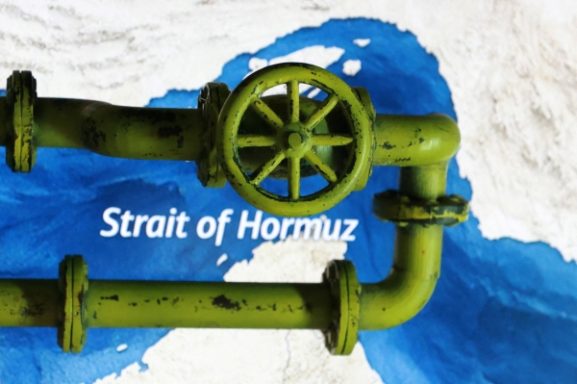
MUSCAT – The global energy crisis triggered by the partial closure of the Strait of Hormuz, following the US–Israel conflict with Iran, demands long-term strategic solutions beyond immediate relief measures for governments and consumers, warns Dr. Aisha al Sarihi, a leading Omani researcher and policy expert.
Specializing in energy transition, climate policy, and sustainable development in the Gulf region, Dr. al Sarihi highlights that short-term responses—such as tapping into strategic reserves and imposing demand restrictions—may temporarily stabilize markets but fail to resolve the fundamental structural challenges affecting energy supply.
In an opinion piece published by Springer Nature, a premier global research publisher, Dr. al Sarihi stresses the urgent need to diversify trade routes away from critical chokepoints, enhance global coordination across supply chains, and accelerate investment in renewable energy technologies.
“Within weeks, oil prices surged worldwide, impacting fuel costs across Asia, Europe, and the United States,” Dr. al Sarihi observed in her article titled “How the war in Iran is reshaping the energy landscape.” She noted further, “Insurance companies have either suspended maritime coverage or increased risk premiums for tankers operating in the region. Several major oil and gas firms have declared force majeure, thereby absolving themselves from contractual obligations to supply specified volumes of oil, gas, and refined products.”
While emergency measures like releasing strategic reserves and promoting fuel conservation can ease immediate market pressures, Dr. al Sarihi stresses these are insufficient to tackle ongoing supply disruptions and might even exacerbate long-term vulnerabilities in energy security.
She urged Gulf oil and gas producers to reduce their dependence on the Strait of Hormuz by diversifying trade routes, highlighting Oman’s efforts such as the development of the Port of Duqm, alongside the Ras Markaz oil-storage facility and pipeline infrastructure. According to her, “Additional pipeline, storage, and port infrastructure is essential.” She also emphasized that the enormous costs involved—potentially amounting to hundreds of billions of dollars—should be shared by global consumers as well as producers to ensure resilient long-term energy trade.
Dr. al Sarihi advocated for regional cooperation among Gulf states to align infrastructure investments with geopolitical risk assessments, drawing lessons from European Union models. For example, the Nord Stream pipeline, which links Russia and Germany, was financed by a consortium of European energy companies in collaboration with Russia’s state-owned Gazprom.
Equally crucial is fortifying supply chains through robust coordination among shipping companies, governments, oil and gas producers, insurers, and logistics providers to mitigate maritime risks and maintain fuel flow during geopolitical tensions.
Importantly, Dr. al Sarihi views the ongoing conflict as a catalyst for expanding renewable energy capacity in the Middle East. She emphasizes the region’s potential to become a global clean energy hub, leveraging abundant solar and wind resources alongside ambitious hydrogen initiatives. Saudi Arabia, the United Arab Emirates, and Oman are already making significant investments in large-scale renewable energy projects and green hydrogen production to diversify their energy exports beyond conventional hydrocarbons.
“The current war underscores that the transition to cleaner energy systems is not only an environmental necessity but also a cornerstone of long-term economic and geopolitical resilience,” Dr. al Sarihi concluded.
Special Analysis by Omanet | Navigate Oman’s Market
The ongoing energy shock from the Strait of Hormuz disruption exposes critical vulnerabilities in Oman’s reliance on chokepoint-dependent oil exports. For businesses, this highlights a pressing need to support and capitalize on infrastructure development initiatives like the Port of Duqm and Ras Markaz, which aim to diversify trade routes, reducing geopolitical risks. Smart investors should prioritize renewable energy opportunities as Oman’s clean energy investments — especially in solar, wind, and green hydrogen — represent a strategic pivot towards sustainable, resilient economic growth in an uncertain global landscape.