Dhofar Frankincense Targets Global Luxury Market: What This Means for Omani Investors and Entrepreneurs
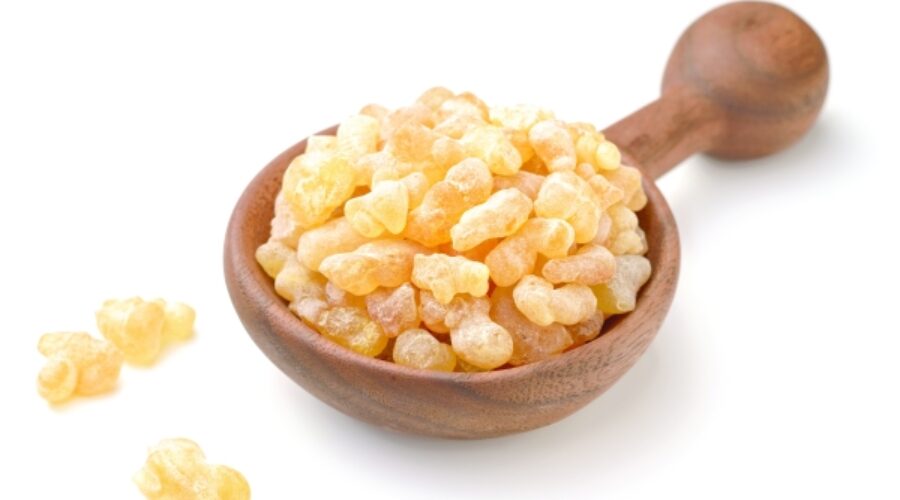
MUSCAT, JUNE 29 — For centuries, frankincense has linked Dhofar to the world. Today, Amouage aims to transform this heritage into a contemporary business model focused on traceability, sustainability, and premium global demand.
At Wadi Dawkah, a key site within Oman’s UNESCO-listed Land of Frankincense, Amouage has spent the past three and a half years developing what it describes as a globally unique sourcing methodology for frankincense. The goal extends beyond mere resin harvesting; it involves creating a complete value chain—from tree to bottle—that meets international standards for ethical sourcing, environmental conservation, and transparency.
Matthew Wright, Director of Natural Ingredient Platforms at Amouage SAOC, emphasized the importance of scaling this approach. “We need to implement the same methodology at scale to produce tonnes of Omani frankincense,” he said. The objective is to significantly increase Oman’s share of the global frankincense market by offering a unique product—Boswellia sacra—with a distinct olfactive signature, thereby generating global demand.
The significance of this endeavor lies in shifting frankincense from a traditional commodity to a certified luxury ingredient. While frankincense has been central to Oman’s cultural identity, religious practices, and trade history, global markets now demand verification of the resin’s origin, harvesting practices, community benefits, and environmental protection measures. Amouage is positioning Wadi Dawkah as a benchmark site for these standards.
This initiative comes amid rising pressure from luxury consumers and international fragrance houses to validate the source and environmental credentials of natural ingredients. For Oman, this represents an opportunity to capture greater value from one of its most recognizable natural assets, moving beyond frankincense as a low-margin raw material.
Wright noted that the Wadi Dawkah site provides a foundation for expanding the sourcing model throughout Dhofar, citing Wadi Gazelle as the next pilot location. Covering approximately 1,500 acres (six square kilometers), Wadi Gazelle already hosts a working camp with seven employees and another seven trainees involved in initial harvesting activities.
The pilot aims to test whether a new generation of Omanis can sustainably harvest larger quantities of frankincense in challenging terrain. Wright expressed optimism, stating, “If it succeeds over the next 18 months, there is nothing to stop further expansion.”
Expansion would involve establishing a network of wild harvesting sites adhering to international standards, with frankincense distilled at Wadi Dawkah to produce high-quality frankincense oil. Beyond Amouage, a scalable model could bolster rural employment, enhance local skills, protect biodiversity, promote heritage tourism, and strengthen Oman’s position in the global natural ingredients market.
This aligns with Oman Vision 2040, which prioritizes diversification, sustainability, and higher-value economic activities. Frankincense, if developed responsibly, sits at the intersection of these goals. However, maintaining this balance requires disciplined management, ensuring that production supports regeneration, secures local acceptance, and integrates scientific oversight of wild harvesting areas.
Amouage’s strategy heavily involves local Omanis, particularly from communities historically linked to frankincense trees. “We believe the best way to ensure ethical standards and a passionate workforce is to employ Omanis,” Wright explained. This local engagement is crucial, as in Dhofar, land, heritage, and community relationships are deeply intertwined. A business model incorporating local knowledge and respect for tradition stands a better chance at establishing a sustainable supply chain.
The project also forms part of Amouage’s broader natural ingredient strategy. Frankincense in the south and rose in the north symbolize the company’s long-term commitment to biodiversity conservation, environmental stewardship, and craft preservation. “Natural ingredient activities embody a significant portion of our environmental, social, and governance commitments,” Wright said.
This approach coincides with Amouage’s own transformation under CEO Marco Parsiegla and Chief Creative Officer Renaud Salmon, who have strengthened the brand’s ties to Oman by centralizing production in Muscat and investing in Omani natural ingredients.
For Wright, natural ingredients offer more than supply security; they tell Oman’s story to the world through scent. “We believe these ingredients are an incredible way to showcase Oman’s rich heritage globally and contribute positively to the country,” he remarked.
The ultimate test will be whether the Wadi Dawkah methodology can be successfully replicated beyond this protected heritage site. If Wadi Gazelle proves both commercially viable and environmentally sustainable, Oman could pioneer a premium frankincense industry rooted in local knowledge, scientific sourcing, and global luxury demand. This would elevate frankincense from a historic symbol to a valuable economic asset for the nation.
Special Analysis by Omanet | Navigate Oman’s Market
Amouage’s pioneering approach to frankincense harvesting in Oman—emphasizing traceability, sustainability, and premium quality—transforms a traditional commodity into a high-value luxury ingredient. For businesses, this shift presents opportunities to tap into the growing global demand for ethically sourced natural products, while smart investors should consider backing scalable, environmentally responsible supply chains that embed local expertise. This strategy aligns with Oman Vision 2040, highlighting diversification and sustainable economic growth, but success hinges on balancing commercial expansion with cultural and ecological preservation.