Strait of Hormuz Blockade: What It Means for Rising EV Demand and Investment Opportunities in Oman
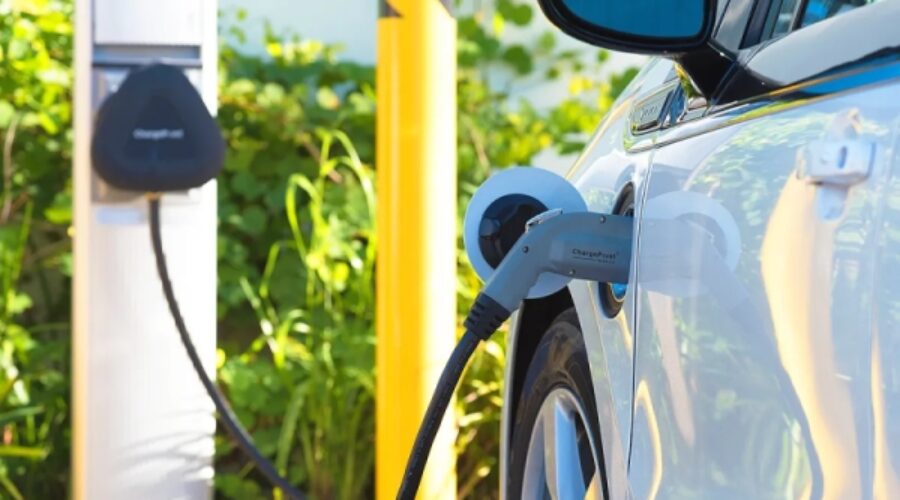
The International Energy Agency (IEA) has highlighted that global electric vehicle (EV) sales are poised for significant growth amid the ongoing conflict involving Iran. The agency noted that persistently high oil prices are accelerating the shift away from traditional combustion engines.
According to the Paris-based IEA, global EV sales surged by 20% in 2025, exceeding 20 million units. This means that one in every four new cars sold worldwide last year was electric. Chinese manufacturers dominated the market, accounting for 60% of global EV sales. European and North American automakers each contributed approximately 15% of the electric vehicles sold worldwide.
Germany, Europe’s largest EV market, saw a remarkable 50% increase in sales, reaching a record 850,000 vehicles in 2025. The energy agency projects that global EV sales will continue to climb this year, reaching around 23 million vehicles—representing nearly 30% of all cars sold globally.
The IEA’s report also emphasized the impact of the blockade of the Strait of Hormuz, a critical shipping route that previously handled about 20% of the world’s oil and liquefied natural gas supplies before the US-Israeli conflict with Iran. This blockade is expected to further accelerate EV adoption in the medium term due to sustained high oil prices.
To support this transition, the IEA anticipates that governments worldwide will implement purchase subsidies and other incentives for electric vehicles to reduce consumer costs and lessen reliance on oil imports.
Fatih Birol, IEA Executive Director, stated, “Electric car sales set new records in close to 100 countries last year. The growing popularity of EVs has marked a major shift for car markets and the energy system as a whole—and it is providing some relief now amid the largest oil supply shock in history.”
He added, “Looking ahead, the falls we have seen in battery prices and the potential policy responses to the current global energy crisis are set to provide further momentum in EV markets.”
Special Analysis by Omanet | Navigate Oman’s Market
The persistent high oil prices driven by geopolitical tensions, such as the Iran war, create a strategic impetus for Oman to diversify and invest in electric vehicle (EV) infrastructure and technology. For businesses, this shift presents a significant opportunity to enter or expand in the EV value chain, from manufacturing to charging solutions, aligning with global trends and government incentives. Smart investors should consider capitalizing on policy-driven demand and the growing EV market to future-proof their portfolios amid an energy transition.