Middle East Conflict Threatens German Economic Recovery: What Investors and Businesses Need to Know
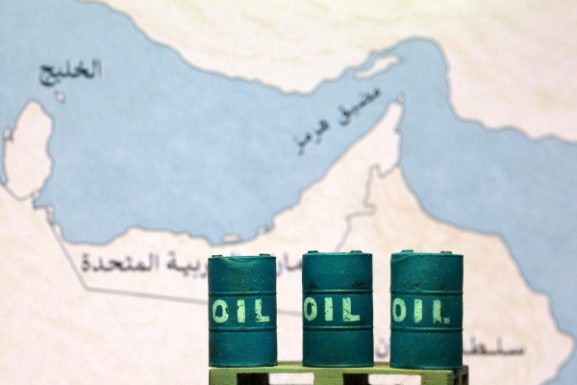
FRANKFURT – The recent surge in energy prices caused by the Middle East conflict is expected to slow the recovery of Germany’s struggling economy, according to a warning issued by the Ifo Institute on Thursday.
Since the conflict began on February 28, energy costs have risen sharply, imposing a significant strain on Europe’s largest economy as it attempts to rebound from a prolonged downturn.
While economic recovery is anticipated to continue, the Ifo Institute emphasized that it “will be dampened by the sharp rise in crude oil and natural gas prices.” The institute forecast that if the conflict escalates, Germany’s economic output will decline by 0.4 percentage points in 2026 and again in 2027, compared to a scenario with no conflict.
Gross domestic product (GDP) growth is projected at just 0.6 percent for 2026 and 0.8 percent for 2027. Even in the event of a swift resolution to the war, output would still be lower, though the negative effects would be less pronounced.
This economic setback poses a challenge for Chancellor Friedrich Merz, who had planned to drive a strong economic turnaround this year through substantial investments in defence and infrastructure.
Germany’s heavy reliance on imported energy, especially critical for its manufacturing sector, leaves it vulnerable to fluctuations in international prices. However, the Ifo Institute noted that the current energy shock is likely to be less severe than the crisis triggered by Russia’s invasion of Ukraine in 2022, when gas supplies to Germany were drastically cut.
The institute added that “immediate supply shortages” are not expected since only a small fraction of Germany’s energy imports come from the Middle East.
In response, Germany is among several countries that have announced tapping into strategic oil reserves to help reduce prices, as part of the largest coordinated oil release ever by International Energy Agency members.
— AFP
Special Analysis by Omanet | Navigate Oman’s Market
The surge in energy prices due to the Middle East conflict signals heightened volatility in global energy markets, posing risks for Oman’s export-driven economy linked to oil demand fluctuations. For businesses, this underscores the importance of diversifying markets and investing in energy resilience. Smart investors should consider opportunities in alternative energy ventures and strategic reserves, while preparing for potential shifts in global energy supply chains that could affect Oman’s trade and economic stability.