Oman’s 2026 Borrowing Plan Surpasses RO 530m Budget Deficit: What It Means for Investors and Business Growth
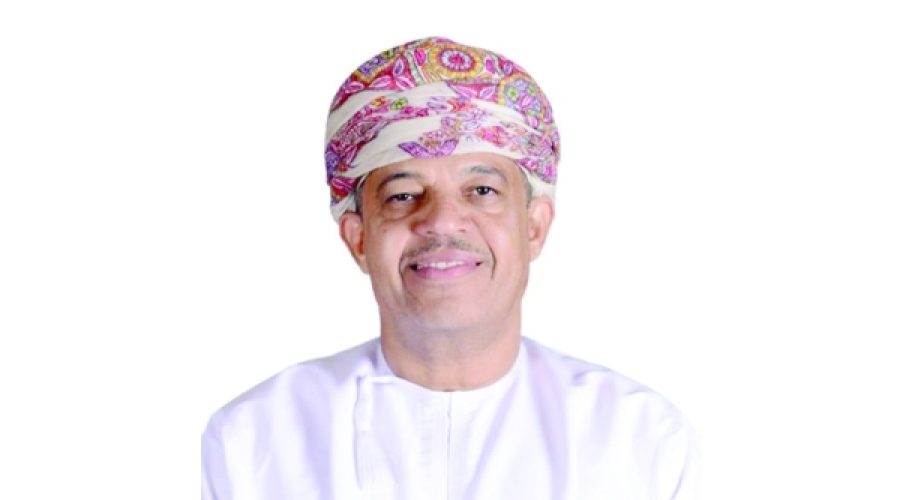
MUSCAT: Dr. Saeed bin Mubarak al Muharami, Professor of Finance at Sultan Qaboos University, clarified the distinction between net income and net cashflows in relation to Oman’s state budget. He explained that the figures typically presented during the budget announcement are derived from the income statement, which records revenues and expenses, including interest payments on debt as part of debt service costs.
Dr. Al Muharami highlighted that accounting involves multiple financial statements, but two are crucial for understanding the budget: the income statement and the cashflow statement. The income statement records revenues and expenses, while the cashflow statement tracks actual cash inflows and outflows, such as debt principal repayments, which are not reflected in the income statement. He emphasized the difference between interest due on debt and the principal installment payments that must be made.
Addressing a common question about Oman’s projected 2026 budget deficit of RO 530 million, Dr. Al Muharami explained why the government plans to borrow more than this amount. The RO 530 million figure appears on the income statement; however, the cashflow statement — reflecting actual cash movements — shows a much larger deficit of RO 2.292 billion. This is due to RO 1.762 billion in debt principal repayments falling due in 2026.
To manage these obligations, the government intends to raise approximately RO 990 million through external borrowing and RO 902 million via domestic borrowing, covering both the RO 1.762 billion in principal repayments and the RO 530 million budget deficit. Additionally, around RO 400 million will be drawn from state reserves to finance the remaining shortfall.
Dr. Al Muharami described these measures as a proactive financial strategy based on typically conservative, worst-case scenario forecasts, expressing optimism that actual results will be more favorable.
Special Analysis by Omanet | Navigate Oman’s Market
The distinction between net income and net cashflows in Oman’s 2026 budget reveals that businesses must carefully track cash movements, not just accounting profits, to gauge economic health. The government’s plan to borrow substantially to cover both deficits and debt repayments highlights increased fiscal pressure, which could signal tighter liquidity conditions ahead. Smart investors and entrepreneurs should consider the potential impact of elevated borrowing on interest rates and public spending, positioning themselves to navigate a possibly constrained financial environment.