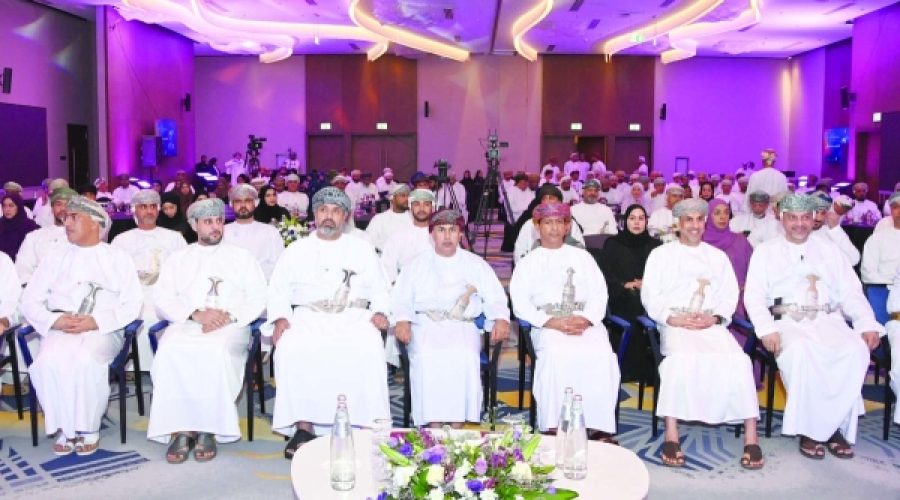
Workers’ Day in Oman: Key Labour Progress Advancing Business and Investment Opportunities
MUSCAT: The General Federation of Oman Workers commemorated International Workers’ Day with a ceremony emphasizing the vital role of trade unions in improving labor conditions within the private sector. The event, held under the patronage of Dr. Hilal bin Ali al Sabti, Minister of Health, also honored the recipients of the 2025 Trade Union Award.
Chairman Nabhan bin Ahmed al Batashi highlighted that Oman’s recent economic and developmental achievements demonstrate the success of national strategies focused on building a diversified and sustainable economy. He stressed that such economic growth must lead to enhanced living standards, job security, and social stability for workers.
As part of the event, the federation launched a media campaign advocating for stronger social protection systems, particularly aimed at safeguarding workers from unjust termination and ensuring stability during unemployment periods. The ceremony also included a review of key accomplishments and metrics from the federation’s 2025 annual report, alongside the unveiling of the artwork titled “Oman’s Arms.”
Furthermore, cooperation agreements were signed with Petroleum Development Oman, and a memorandum of understanding was established with the Oman Energy Society (OPAL), underscoring the importance of dialogue between employers and labor representatives. By the end of 2025, the number of labor unions in Oman reached approximately 340. — ONA
Special Analysis by Omanet | Navigate Oman’s Market
Oman’s growing emphasis on strengthening trade unions and social protection signals enhanced labor stability, which is crucial for sustainable economic diversification. For businesses, this means a more secure and motivated workforce, but also a need to engage proactively with labor representatives to navigate evolving regulations. Smart investors and entrepreneurs should consider opportunities in sectors aligned with national development plans while prioritizing compliant, socially responsible practices to mitigate risks related to labor unrest or policy shifts.