Spirit Airlines Ceases Operations: What This Means for the Aviation and Investment Landscape
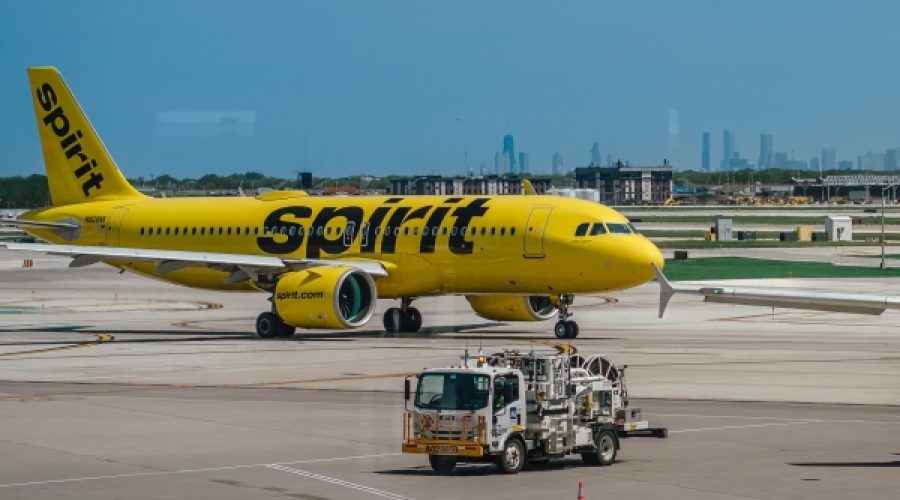
Spirit Airlines ceased operations permanently on Saturday morning, marking the end of the budget carrier’s tumultuous journey.
The airline, which suffered billions in losses over recent years, had filed for bankruptcy twice in 2024 and 2025. Initially, Spirit planned to reemerge as a smaller entity by this summer, but those efforts collapsed amid a recent surge in fuel prices.
In a final attempt to save the airline, the Trump administration offered a $500 million federal bailout. However, negotiations between Spirit’s investors and government officials failed to yield an agreement on the rescue deal’s structure.
A letter from Spirit’s creditors, dated Thursday and reviewed by The New York Times, conveyed their bleak outlook on the airline’s survivability and urged the board to begin winding down operations.
Spirit revolutionized the U.S. aviation market with a business model focused on minimizing costs and offering ultra-low fares. This strategy initially generated substantial profits but eventually faltered due to stiff competition from larger airlines, rising operational costs, and technical issues including engine problems.
Founded in Michigan during the 1960s as a trucking company, Spirit ventured into charter flights in the 1990s and subsequently transformed the airline industry with its low-cost model in the 2000s. In 2006, Indigo Partners, a private equity firm specializing in budget carriers, gained a majority stake and aligned Spirit with the ultra-low-cost carrier model popularized by Europe’s Ryanair.
Ben Baldanza, Spirit’s CEO for a decade until his death in 2024, was a key architect of this approach. Under his leadership, the airline achieved significant profitability, often emphasizing its no-frills strategy through provocative advertising.
Despite becoming a frequent subject of late-night jokes and frustrating travelers by charging fees for services typically free on other airlines—such as printed boarding passes and seat selection—Spirit succeeded in attracting a broad customer base and compelling other carriers to adjust their strategies.
Aviation and economics experts acknowledge Spirit’s role in making air travel more affordable and competitive. Spirit’s presence often pressured competitors to lower fares at shared airports. This competitive impact was a critical factor in a federal judge’s decision to block Spirit’s proposed 2024 merger with JetBlue Airways, siding with the Biden administration’s Justice Department.
Judge William G. Young stated that eliminating Spirit would “dampen Spirit’s disruptive force” in the market.
While the Biden administration faced criticism for blocking the merger, JetBlue itself has struggled with profitability for years. Experts highlight that airline mergers are notoriously complex and often fraught with significant challenges, casting doubt on the potential success of a combined Spirit-JetBlue entity.
Spirit’s growth saw it entering airports dominated by major carriers, who in turn adopted similar low-cost tactics. For example, in 2012, Delta introduced lower-cost but restrictive “basic economy” fares, followed by United and American Airlines implementing comparable offerings. This shift led some former Spirit customers to switch to larger airlines, attracted by more frequent flights and shorter connection times.
This report originally appeared in The New York Times.
Special Analysis by Omanet | Navigate Oman’s Market
The shutdown of Spirit Airlines highlights the vulnerability of ultra-low-cost carriers to rising operational costs and market competition, signaling a cautionary tale for budget-driven business models in Oman’s aviation and transport sectors. For smart investors and entrepreneurs, this underscores the importance of balancing cost-efficiency with service quality and adaptability to changing external factors like fuel prices. Omani businesses should explore diversified strategies and resilience planning to mitigate risks from fluctuating global markets and operational disruptions.