Celebrating Eid with Naduvannur Chicken Biryani: A Taste of Opportunity for Oman’s Food Entrepreneurs
Naduvannur Chicken Biryani: A Festive Delight
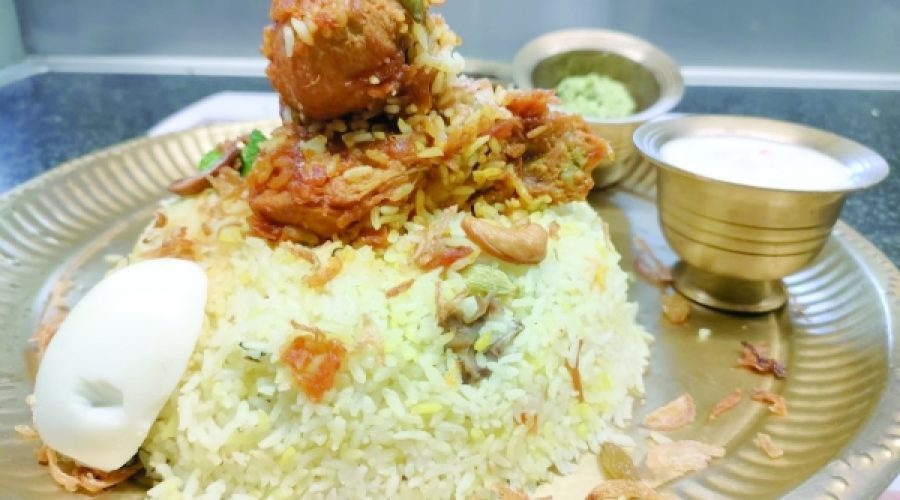
Naduvannur Chicken Biryani is a dish synonymous with celebrations. Rich and aromatic, it’s particularly favored during special occasions like Eid, where elaborate meals featuring layered flavors are customary.
Chef Suresh Pillai: A Culinary Journey
Chef Suresh Pillai stands out as a visionary in the culinary world and a beacon of entrepreneurial spirit. His remarkable ascent from a teenage security guard in Kerala to a renowned chef and entrepreneur tells a story of resilience and passion. With over 27 years of experience in the hospitality industry, he is the Founder and Managing Director of RCP Hospitality, a rapidly expanding multi-brand restaurant group operating across India and the Gulf.
Beginning his career as a waiter and kitchen assistant, Chef Pillai honed his skills in Kerala cuisine through determination, later polishing his talents in some of India’s finest kitchens, including The Leela Palace Bengaluru. His 14 years in London, notably at the Michelin-starred Gymkhana, significantly enhanced his international culinary profile.
Upon returning to India, Chef Pillai successfully merged tradition with innovation, establishing a flourishing hospitality empire. Beyond his business endeavors, he is an advocate for accessible culinary education, firmly believing that talent, rather than background, is the true measure of success.
Ingredients for Naduvannur Chicken Biryani
For the Rice:
- 1 kg Kaima (Jeerakasala) Rice
- 100 g Ghee
- Whole Spices: Cinnamon, Cloves, Cardamom, Fennel Seeds
- 4 Green Chilies, slit
- 1½ cups Water per cup of rice
For the Chicken Masala:
- 1.2 kg Chicken
- 100 ml Coconut Oil
- 1.5 kg Onions, thinly sliced and fried until golden brown
- 4 Tomatoes, sliced
- 8 Green Chilies, slit
- 3 tbsp Ginger-Garlic Paste
- 1 bunch Mint Leaves
- 1 bunch Coriander Leaves
- 2 tbsp Kashmiri Chili Powder
- 1 tsp Turmeric Powder
- 2 tbsp Garam Masala
- 1 tbsp Fennel Powder
- 2 cups Yoghurt (Curd)
- Salt, to taste
- Water, as required
Preparation Method
-
Prepare the Masala
- Fry the Onions: In coconut oil, fry the sliced onions until they are golden brown and crispy. Set aside.
- Sauté Aromatics: In the same oil, add cinnamon, cloves, cardamom, and fennel seeds. Then, incorporate ginger-garlic paste and green chilies, sautéing until fragrant.
- Add Tomatoes & Spices: Include the sliced tomatoes and some fried onions, cooking until the tomatoes soften.
- Spice Mix: Stir in Kashmiri chili powder, turmeric powder, and fennel powder. Cook until the oil separates from the masala.
- Cook Chicken: Add chicken, mint leaves, and coriander leaves. Mix well and cook until the chicken is nearly done.
- Finish Masala: Mix in yoghurt, garam masala, and salt thoroughly, then set aside.
-
Prepare the Rice
- Boil Water: Bring water to a boil (1½ cups for each cup of rice).
- Add Flavors: Stir in salt, whole spices, green chilies, and 100 g of ghee.
- Cook Rice: Add washed and drained Kaima rice. Stir gently and cook until the water is almost absorbed.
- Final Touch: Sprinkle mint leaves and a little garam masala. Optionally, drizzle turmeric-infused ghee for color.
- Steam (Dum): Cover the pot with an airtight lid and cook on low flame for 15-20 minutes.
-
Layering & Dum
- Layer the cooked rice over the prepared chicken masala.
- Seal the pot tightly and cook on low flame for an additional 15 minutes to meld the flavors.
- Gently open the pot, mix lightly, and serve hot.
This dish encompasses the essence of celebration and the pinnacle of culinary artistry, making it a true highlight of festive occasions.
Special Analysis by Omanet | Navigate Oman’s Market
Chef Suresh Pillai’s journey from humble beginnings to culinary success illustrates the potential of entrepreneurship in Oman’s evolving hospitality sector. With a rising interest in culinary education and innovative dining experiences, savvy investors should explore opportunities within the food and beverage industry, particularly in high-demand ethnic cuisines. However, they should also be aware of the competition and operational challenges that come with a growing market.