Discover Hunkar Begendi: The Royal Classic Transforming Oman’s Culinary Landscape This Ramadan
Hilton Unveils Special Ramadhan Menu Inspired by Omani Culinary Heritage
Sabrina Sobrayen, the cluster marketing director at Hilton, has announced that this year’s Ramadhan menu is themed “From Tradition to Togetherness”. The menu draws heavily from local Omani and regional culinary traditions, with each dish selected to highlight the time-honoured techniques and flavours associated with the holy month. Sobrayen emphasized that the richness of Hünkâr Beğendi exemplifies the generosity, warmth, and communal spirit of Ramadhan, nourishing both the body and the bonds formed around the table.
Leading the culinary efforts at Hilton Muscat’s Barr Al Jissah Resorts is Chef Gurkan Gozyilmaz, an award-winning executive chef with over 20 years of experience in international luxury hospitality. As the head of kitchen operations for Hilton Muscat’s DoubleTree by Hilton Muscat Al Waha, Hilton Muscat Al Bandar, and Al Husn Hotel Muscat, Chef Gurkan oversees fine dining, multi-concept restaurants, and large-scale banqueting.
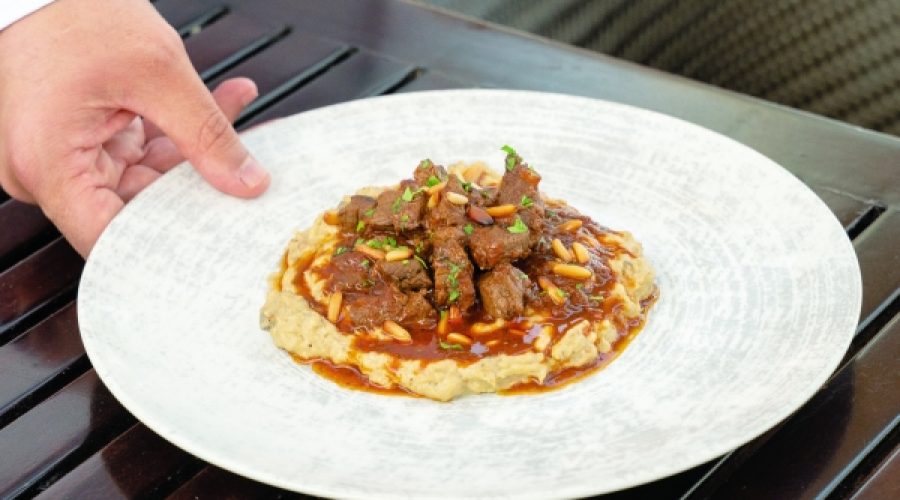
Hünkâr Beğendi, a celebrated dish dating back to the Ottoman Empire, translates to “the Sultan liked it.” This elegant recipe features tender, slow-cooked lamb or beef layered atop a rich, velvety smoked eggplant béchamel purée. Each bite offers a delicious blend of deep, comforting flavours intertwined with history.
Especially suited for Ramadhan, Hünkâr Beğendi combines nourishment, elegance, and tradition. The tender, slow-cooked meat provides essential protein after a day of fasting, while the smooth, smoky eggplant purée offers rich flavours that are both indulgent and soothing. Grounded in Ottoman culinary heritage, the dish embodies the celebration, generosity, and shared traditions that characterize Ramadhan meals.
Recipe for Hünkâr Beğendi
Ingredients
For the Slow-Cooked Beef:
- 500 g beef tenderloin, cubed (or boneless lamb leg)
- 1 onion, finely diced
- 2 cloves garlic, minced
- 1 tablespoon tomato paste
- ½ tablespoon sweet pepper paste
- 1 cup peeled, diced fresh tomatoes
- 1 teaspoon sweet paprika
- ½ teaspoon freshly ground black pepper
- 1 teaspoon salt (adjust to taste)
- 500 ml hot vegetable broth or water
- 2 tablespoons unsalted butter
- 5–6 sprigs fresh thyme
For the Eggplant Purée:
- 3 large eggplants (preferably with few seeds)
- 2 tablespoons butter
- 2 tablespoons white flour
- 1 cup warm full-fat milk
- 1 cup grated kasar cheese (or mozzarella/kashkaval)
- 1 teaspoon salt (adjust to taste)
- Toasted pine nuts, for garnish
Preparation Method
Roast the Eggplants:
- Prick the eggplants with a fork.
- Roast over an open flame, grill, or in the oven at 240°C until softened and charred.
- Allow to cool, then peel and remove as many seeds as possible before finely mashing the flesh.
- Optional: Add a squeeze of fresh lemon juice to maintain a lighter colour.
Cook the Beef Stew:
- Melt butter in a pot and sauté onions until golden brown.
- Add beef cubes and sear until deeply browned.
- Stir in garlic, tomato paste, and sweet pepper paste.
- Add fresh tomatoes, paprika, thyme, salt, and pepper.
- Pour in hot broth or water, cover, and simmer on low heat for 30–40 minutes until the beef is tender. Add more liquid if needed.
Prepare the Eggplant Béchamel:
- In a separate pan, melt butter.
- Add flour and whisk for 1–2 minutes until lightly golden.
- Gradually pour in warm milk while whisking continuously to avoid lumps.
- Stir in the mashed eggplant.
- Add cheese and salt, cooking until smooth and creamy.
Assemble & Serve:
- Spread the eggplant purée on a serving plate.
- Spoon the hot beef stew on top.
- Garnish with toasted pine nuts and chopped parsley.
This delightful dish is not just a meal, but a celebration of heritage and shared experiences during Ramadhan.
Special Analysis by Omanet | Navigate Oman’s Market
The introduction of Hilton’s new Ramadhan menu, featuring traditional dishes like Hünkâr Beğendi, underscores a growing trend towards cultural authenticity and shared culinary experiences in Oman. This presents an opportunity for businesses to tap into the local heritage while fostering community engagement, potentially attracting both local and international patrons. Entrepreneurs and investors should consider leveraging culinary tourism and the emotional connections tied to traditional dining as a strategic avenue for growth during festive seasons.