Ramadhan Fish Salad Revealed: How Chef Aladhraa Al Habsi’s Culinary Innovation Can Boost Your Restaurant’s Menu in Oman
Iftar Tradition: The Timeless Appeal of Fish Salad in Omani Cuisine
For Chef Aladhraa al Habsi, fish salad is an essential dish that graces her Omani iftar tables. “Fish salad must be on the table,” she emphasizes. This dish transcends culinary boundaries; it is a cherished memory. Since childhood, it has been her father’s favorite meal to break the fast, and over the years, the entire family has embraced it, establishing a beloved Ramadan tradition that connects generations. Each bite evokes the warmth of shared evenings, infused with the rich aroma of spices and the anticipation for Maghrib.
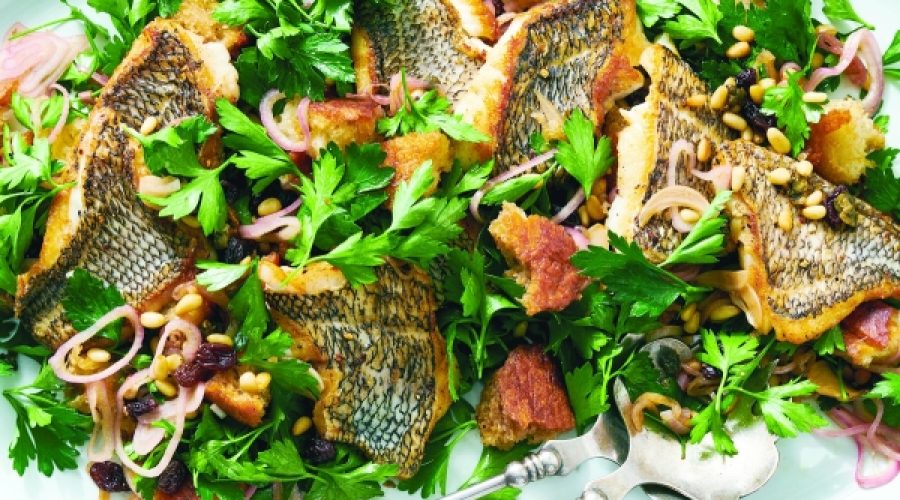
Aladhraa’s rendition of this dish is distinctly Omani. It features fresh jeather fish, expertly seasoned with a blend of traditional Omani spices. The salad is vibrant, incorporating crisp lettuce, shredded carrots, white onion, and green pepper for added color and crunch. A squeeze of lemon enhances the freshness, while pomegranate molasses introduces a subtle sweetness. The flavors are completed with a sprinkle of sumac, black pepper, and olive oil.
To add a contemporary touch, Aladhraa lightly sears the fish, creating a golden crust before briefly baking it in a high-temperature oven and finishing with steaming to ensure tenderness. The fish can be served in generous slices or gently flaked into the salad.
The salad itself is straightforward, as the vegetables are simply tossed with salt, black pepper, sumac, Omani spices, olive oil, and lemon juice. Once the warm, spiced fish is added, the dish achieves a harmonious balance of heat, freshness, and texture.
For Aladhraa, the fish salad is more than just a meal; it reflects Oman’s rich heritage. Fishing has profoundly shaped the nation’s economy, culture, and coastal identity. Her approach to the dish marries tradition with innovation, showcasing local ingredients sustainably while honoring authentic flavors. Each Ramadan, as family members gather, the fish salad stands as a centerpiece—a tribute to the sea, a connection to heritage, and a canvas for culinary creativity.
Recipe Card
Dish: Ramadan Fish Salad
Chef: Aladhraa al Habsi
Cuisine: Omani
Serves: 4
Prep Time: 20 minutes
Cook Time: 15–20 minutes
Ingredients
For the Fish:
- 1 whole jeather fish (cleaned and filleted)
- 1 tbsp mixed Omani spices
- Salt, to taste
- Black pepper, to taste
For the Salad:
- Lettuce, chopped (as desired)
- 1 carrot, shredded
- 1 white onion, thinly sliced
- 1 green pepper, sliced
- Juice of 1 fresh lemon
- 1 tbsp olive oil
- 1 tbsp pomegranate molasses
- 1 tsp sumac
- Pinch of mixed Omani spices
- Salt and black pepper, to taste
Method
- Season the Fish: Rub the fish with mixed Omani spices, salt, and black pepper until evenly coated.
- Sear: In a hot pan, lightly sear the fish on all sides until it develops a gentle golden crust.
- Bake: Transfer the fish to a preheated oven at high temperature and bake for 10 minutes until cooked through.
- Steam: Briefly steam the fish after baking to preserve moisture and tenderness.
- Prepare the Salad Base: In a large bowl, combine lettuce, carrot, onion, and green pepper.
- Make the Dressing: Mix lemon juice, olive oil, pomegranate molasses, sumac, mixed Omani spices, salt, and black pepper.
- Assemble: Toss the vegetables with the dressing. Add the warm fish either sliced or gently flaked, according to preference. Fold carefully to combine.
- Serve: Present in a wide serving dish as a vibrant centerpiece for your Ramadan table.
Chef’s Tip: For a modern presentation, plate the salad in layers and top with larger slices of fish for visual impact, finishing with a sprinkle of sumac and a drizzle of olive oil.
Special Analysis by Omanet | Navigate Oman’s Market
Chef Aladhraa al Habsi’s fish salad tradition symbolizes Oman’s rich culinary heritage and offers insights into market opportunities. Businesses can leverage the growing interest in authentic local cuisine to attract both tourists and locals, enhancing the food and hospitality sectors. Investors should focus on sustainable sourcing of local ingredients, as this trend aligns with both consumer preferences and environmental consciousness, presenting a strategic edge in the competitive market.