Revitalizing Omani Cuisine: How Culinary Innovations Can Boost Your Business Prospects in Oman
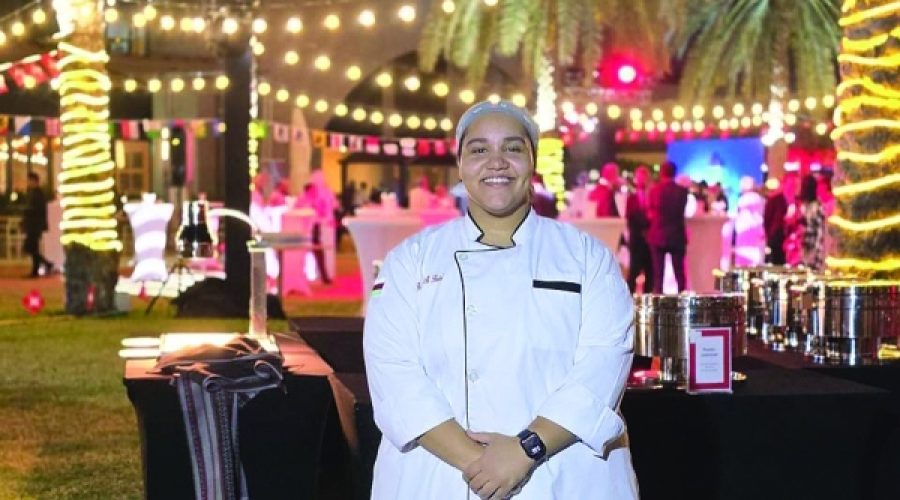
In a sun-drenched kitchen infused with the scents of cardamom and simmering broth, Aladhraa al Habsi stands at the stove, adjusting flavors and envisioning new dishes. Her culinary journey began in her childhood, watching her mother expertly navigate steam and spices. “I started with simple dishes,” she reflects. “Then I took over the kitchen.” What began as play evolved into serious practice, eventually shaping her purpose.
Aladhraa’s early cooking ventures transcended the confines of her home, exploring a range of cuisines from traditional Arabic dishes to Zanzibari flavors, and from Italian pastas to smoky grilled foods. This curiosity honed her skills and has now matured into a mission: to showcase Omani flavors on the global culinary stage and to eventually become the first Omani woman to serve as an executive chef.
Growing up in Oman, she developed an appreciation for its rich spice heritage. In a country renowned for its intricate blends, flavor is more than an inspiration; it’s a legacy. Aladhraa learned to identify the warmth of cumin, the vividness of turmeric, and the subtlety of dried lime. She now weaves these flavors into international dishes, allowing Omani character to shine through in risottos, grilled items, and reimagined classics. Her goal is not to replace traditional cuisine but to enhance it, presenting authentic tastes within a contemporary context.
However, her path has not been without challenges. When she pursued culinary school, some dismissed it as trivial, equating it to merely chopping onions and tomatoes. Others sought to confine her to a stereotype, asserting that “a girl belongs in the kitchen.” Aladhraa responded to these views with calm determination, insisting that cooking embodies both culture and science, as well as discipline and creativity. A minor mistake can spell disaster, while a small adjustment can salvage a dish. For her, the kitchen is an unending classroom, and she remains resolute in her childhood dream.
Her culinary philosophy centers on balance—preserving Omani flavors while integrating modern techniques. She emphasizes the use of high-quality local ingredients, striving to innovate without losing cultural memory. While she continues to perfect this vision, glimpses of it are already evident on her plates.
Take, for instance, her favorite creation: steak served with rice and lentils instead of traditional mashed potatoes. One evening, she pondered why steak should always accompany a standard purée. Inspired by a cherished family dish called masito, which combines rice and lentils into a velvety mash, she experimented by pairing it with steak. The result exceeded her expectations, with the earthy flavors of lentils and the comforting texture of rice adding new depth to the dish. It quickly became a family favorite.
Aladhraa believes that young chefs are crucial to the future of Omani cuisine. Through thoughtful innovation and modern presentation, while remaining authentic, they can elevate its global presence. She views the kitchen not only as a space for cooking but as a forge for character, enhancing confidence, communication, and cultural exchange.
Her advice to aspiring young women echoes the lessons she learned alongside her mother: embrace your individuality, charisma, and ethics. Trust in your abilities and do not let self-doubt hinder your aspirations. The culinary world is vast and ever-evolving, with each day offering new techniques, dishes, and opportunities for connection. Choose your passion, study it diligently, and success will naturally follow.
In Aladhraa al Habsi’s kitchen, tradition is not merely preserved; it sizzles, evolves, and looks outward, carrying the essence of Oman with it.
Special Analysis by Omanet | Navigate Oman’s Market
Aladhraa al Habsi’s journey underscores an important shift for businesses in Oman, highlighting the potential of culinary innovation to elevate local cuisine on the international stage. This opens doors for investors and entrepreneurs to explore new ventures that combine traditional flavors with modern techniques, presenting unique offerings to a global market. Smart players should consider supporting young talent in the culinary arts to capitalize on emerging trends that can foster a vibrant food tourism sector.