Over 31,000 Worker Violations Recorded: What This Means for Private Sector Job Growth and Business Opportunities in Oman by 2026
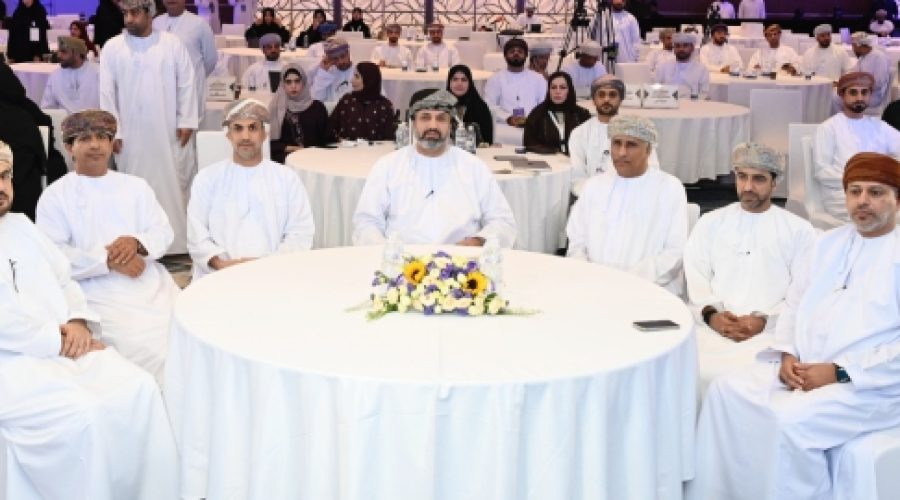
The Ministry of Labor held its annual media meeting on Wednesday to review the achievements and initiatives of the past year and to outline future directions for the labor sector and human resources development.
Key Highlights:
The labor market and employment priorities for 2028-2029 focus on empowering national competencies through freelance work platforms and institutional partnerships. These efforts aim to place skilled nationals in supervisory, specialized, and technical roles within priority economic sectors in the private sector.
The Eleventh Five-Year Plan (2026-2030) encompasses 17 strategic programs aligned with future labor market trends, with 12 of these programs dedicated to labor market and employment development.
During the year, over 31,000 workers were apprehended by labor welfare teams during approximately 15,000 inspection visits for regulatory violations.
More than 48 government entities are actively engaged with the Ejada electronic platform for human resources management, benefiting over 80,000 employees. The Ejada system, which measures individual performance and institutional excellence, has yielded notably positive results.
In recognition of outstanding performance, 45 government services were approved for excellent efficiency, 17 government units received honors, and 67 units have fully implemented the Ejada system.
The Wage Protection System now registers over 141,000 establishments, with more than 91,000 compliant. Compliance among large establishments stands at an impressive 99.8%.
Job creation efforts remain robust, with 36,413 job opportunities provided in 2025, including 15,069 opportunities generated through training linked to employment and replacement. In 2026, the Ministry plans to offer 60,000 job opportunities: 10,000 in the government sector, 33,000 in the private sector, and 17,000 through national training and qualification programs.
Digital transformation has played a critical role in streamlining procedures. In 2025, 13,000 jobs were created through 18 sector committees, 2,300 professionals were registered in the freelance work system, and over 4,000 expatriates in technical and leadership roles were replaced.
Of the 50,000 jobs targeted for the private sector in 2026, a portion will involve replacements in the oil and gas, logistics, and tourism sectors, while others will be created directly or through wage support and training initiatives.
The Ministry also prioritized employment for 2,000 individuals from low-income families in 2025, who will continue to be given priority for private sector job opportunities in 2026.
The number of job seekers fluctuates with data updates, reaching around 75,000 by the end of November. Among these, nearly 5,000 to 6,000 are from distressed families, with approximately 2,000 having secured employment during 2025.
This comprehensive overview highlights the Ministry’s ongoing commitment to advancing Oman’s labor market and strengthening national workforce capabilities.
Special Analysis by Omanet | Navigate Oman’s Market
Oman’s labor market strategy, focused on empowering national competencies through freelancing and institutional partnerships, signals a shift towards reducing reliance on expatriates and enhancing local talent in key sectors. For businesses, this creates an opportunity to leverage digital transformation and performance excellence platforms like Ejada for operational efficiency, while investors should prioritize sectors aligned with the government’s focus on job creation and national workforce development, especially in oil, gas, logistics, and tourism. Smart entrepreneurs must consider integrating national talent and compliance with evolving labor regulations as strategic imperatives to capitalize on emerging market dynamics.