جنگ ایران و تأثیر بالقوه آن بر بازارهای جهانی نفت: آنچه سرمایهگذاران و کسبوکارها در عمان باید بدانند
در ژانویه ۱۹۷۴، پدرم فورد لیمیتد قدیمی و کممصرف خود را به من قرض داد تا لباسها و کتابهایم را به دانشگاه در ایتاکا، نیویورک، ببرم. چند هفته بعد، وقتی قصد داشتم با ماشین به خانهام در لانگ آیلند برگردم، متوجه شدم که بنزین کافی برای سفر ۲۵۰ مایلی پیدا نمیکنم.
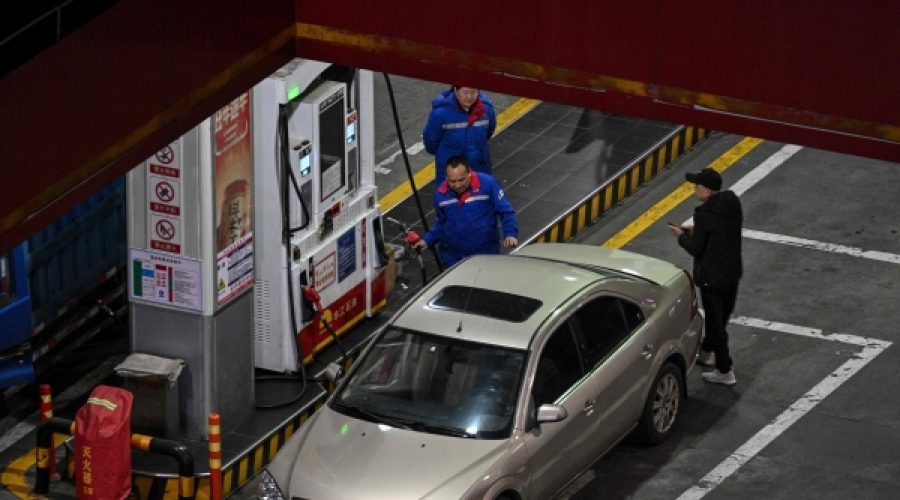
تحریم نفتی اعراب در سالهای ۱۹۷۳-۱۹۷۴ به طور کامل اجرا شده بود. قیمت نفت تقریباً چهار برابر شده بود، پمپ بنزینها صفهای طولانی داشتند و رانندگان فقط مجاز بودند در روزهای متناوب سوخت بخرند. من روز اشتباهی را برای سفر انتخاب کرده بودم - بنزین برای من وجود نداشت. ناگهان آزادی رانندگی محدود شد.
این اولین شوک بزرگ نفتی جهان بود. زمانی که شوک دوم در سالهای ۱۹۷۸-۱۹۷۹، که با انقلاب ایران آغاز شد، رخ داد، من به عنوان خبرنگار در نیوجرسی کار میکردم و مرتباً با رانندگان ناامید که در صفهای بیپایان بنزین گرفتار شده بودند، مصاحبه میکردم. کمبود بنزین و تورم فزاینده به بخشی عادی از زندگی آمریکاییها تبدیل شده بود.
اگرچه مشکلات خطوط گاز در نهایت با کاهش بحرانها از بین رفت، اما دو رکود اقتصادی - که توسط رئیس قدرتمند فدرال رزرو، پل ولکر، مدیریت شد - طول کشید تا سرانجام تورم را مهار کند.
آنچه کمتر درک شده این است که این شوکهای نفتی بازارهای مالی جهانی را به طور اساسی دگرگون کردند. سرمایه به شیوههای بیسابقهای شروع به جریان یافتن کرد و موقعیت دلار را به عنوان ارز اصلی جهان تقویت کرد.
در حال حاضر، ممکن است با چیزی روبرو باشیم که میتواند به سومین شوک بزرگ نفتی تبدیل شود. فاتح بیرول، مدیر اجرایی آژانس بینالمللی انرژی، اظهار داشته است که جنگ در خلیج فارس بزرگترین اختلال در عرضه نفت در تاریخ را ایجاد کرده است. این جنگ باعث کمبود بنزین در جنوب شرقی آسیا شده و قیمتها را در سراسر جهان افزایش داده است. با این حال، از آنجا که ایالات متحده اکنون صادرکننده خالص انرژی است، تجربه آن تاکنون در مقایسه با شوکهای دهه 1970 نسبتاً خفیفتر بوده است.
یک سوال اساسی باقی میماند که آیا این درگیری کوتاه خواهد بود یا اساساً الگوهای اقتصادی جهانی را تغییر خواهد داد. تاریخ بینشهای مفیدی در مورد پیامدهای بالقوه ارائه میدهد.
شوکهای نفتی دهه ۱۹۷۰
ادوارد ال. مورس، معاون وزیر امور خارجه در امور سیاست انرژی در دوران کارتر و ریگان، شوک نفتی سالهای ۱۹۷۳-۱۹۷۴ را بزرگترین و غیرمنتظرهترین رویداد در نوع خود توصیف کرد که ایالات متحده را با خطوط گاز، تورم فزاینده و تغییرات جهانی پایدار شوکه کرد.
“مورس گفت: ”این احتمالاً مهمترین رویدادی است که من در ایجاد تغییر ساختاری در ماهیت بخش انرژی بینالمللی تجربه کردهام.».
او شوک سالهای ۱۹۷۸-۱۹۷۹ را “ادامه” اختلال قبلی خواند که منجر به انتقال قدرت و ثروت از شرکتهای چندملیتی به کشورهای تولیدکننده نفت شد. با توجه به ارتباط آن با انقلاب ایران، بحران گروگانگیری و کمبود نفت خلیج فارس، میتوان آن را پیشدرآمد درگیری فعلی دانست.
در حالی که شوکهای نفتی قبلی شرایط تجاری را برای مصرفکنندگان آمریکایی که با قیمتهای بسیار بالاتری مواجه بودند، به شدت بدتر کرد، به طور متناقضی، این بحرانها جایگاه ایالات متحده را به عنوان بازیگر محوری در تجارت و امور مالی جهانی تثبیت کرد. مورس تأکید کرد: “دلار در نهایت از همیشه مهمتر شد.”.
در طول تحریم نفتی سالهای ۱۹۷۳-۱۹۷۴، کشورهای عضو اوپک شاهد افزایش سریع قدرت بودند و جای سلطه چندین دههای شرکتهای نفتی چندملیتی مانند اکسون موبیل، شورون، شل و بیپی را گرفتند. اگرچه این شرکتها همچنان سودآور هستند، اما دیگر قیمتگذاری جهانی نفت را کنترل نمیکنند.
پس از تحریم، قیمت انرژی همچنان بالا ماند و بار سنگینی بر دوش مصرفکنندگان گذاشت، در حالی که تولیدکنندگان نفت ثروت هنگفتی را انباشت میکردند. این دوره اصطلاح “دلارهای نفتی” را برای توصیف ذخایر بزرگ دلاری فراساحلی کشورهای صادرکننده نفت رواج داد.
در آن زمان، بخش زیادی از این ثروت، به ویژه از طریق وامهای بانکهای بزرگ آمریکایی مانند سیتی بانک به بازارهای نوظهور، به ایالات متحده بازگردانده شد و در سطح جهان گسترش یافت. کمکهای مالی صندوق بینالمللی پول به این کشورها در دهه ۱۹۸۰ مستقیماً ناشی از جهانی شدن مالی ناشی از تحریم نفتی بود.
از نفت به طلا: تغییر پولی
برای درک کامل تأثیر تغییرات مالی سالهای ۱۹۷۳-۱۹۷۴، باید به سال ۱۹۷۱ نگاه کرد، زمانی که رئیس جمهور ریچارد نیکسون به سیستم پولی جهانی پس از جنگ جهانی دوم پایان داد.
تا آن زمان، دلار آمریکا، ارز جهانیِ سنگ بنای اقتصاد، با نرخ ثابت ۱TP4T35 در هر اونس توسط طلا پشتیبانی میشد و معاملات نفتی با دلار قابل تبدیل به طلا انجام میشد. اما در ۱۵ آگوست ۱۹۷۱، نیکسون به قابلیت تبدیل دلار به طلا پایان داد و ارزش دلار را کاهش داد و قیمت مؤثر دریافتی تولیدکنندگان نفت را کاهش داد.
تولیدکنندگان نفت در برابر این تغییر مقاومت کردند. تحقیقات نشان میدهد که اگر استاندارد طلا باقی میماند، افزایش قیمت اوپک در دهه ۱۹۷۰ به جای افزایش چشمگیر قیمتهای واقعی نفت بر حسب دلار، صرفاً آنها را ثابت نگه میداشت.
کشورهای تولیدکننده نفت با ذخایر عظیم دلاری، به ستونهای حیاتی سیستم مالی جهانی تبدیل شدند که تا به امروز حول محور دلار میچرخد. ارزش دلار از زمان آغاز درگیری فعلی خلیج فارس به طور قابل توجهی افزایش یافته است.
به گفته اسوار اس. پراساد، اقتصاددان دانشگاه کرنل، مقاومت دلار در بحبوحه اختلالات فعلی تا حدودی ناشی از این است که ایالات متحده اکنون صادرکننده خالص نفت است و کمتر در برابر کمبودها آسیبپذیر است، و تا حدودی به این دلیل است که دلار در سالهای اخیر علیرغم چالشهای آمریکا، حتی بیشتر از قبل مسلط شده است.
قدرت ثروت نفت
دنیل یرگین، نایب رئیس S&P Global و مورخ برجسته نفت، تأکید میکند که تاریخ انرژی، تاریخ قدرت نیز هست - از جمله قدرت مالی.
“یرگین گفت: ”مردم فقط روی این واقعیت تمرکز میکنند که کشورهای خلیج فارس نفت و گاز صادر میکنند، اما آنها سرمایه نیز صادر میکنند.“
امروزه، صندوقهای ثروت ملی این کشورها، بازیگران مالی جهانی مهمی هستند که سرمایهگذاریهای هنگفتی در سهام خصوصی ایالات متحده و پروژههای بزرگ در سراسر جهان انجام میدهند و یک اقتصاد جهانی بسیار بههمپیوسته ایجاد کردهاند.
اختلال در جریان انرژی خلیج فارس، به ناچار بازارهای مالی جهانی را مختل خواهد کرد. برای سرمایهگذاران بازارهای عمومی، این درگیری خطرات جدی را به همراه دارد.
با وجود حمایت قوی دونالد ترامپ، رئیس جمهور آمریکا از سوختهای فسیلی، یرگین پیشبینی میکند که درسهای این جنگ شامل تنوعبخشی به منابع انرژی فراتر از سوختهای فسیلی و ایجاد ذخایر استراتژیک نفت بیشتر برای آمادگی در برابر بحرانهای آینده خواهد بود.
اتان اس. هریس، اقتصاددان ارشد سابق بانک آمریکا، معتقد است که مدت زمان جنگ، تأثیر آن را تعیین خواهد کرد. او گفت: “اگر این جنگ مدت زیادی ادامه یابد، مسئلهی بزرگی است. اگر اکنون متوقف شود، شاید سال آینده نیازی به صحبت در مورد آن نداشته باشیم.”
درگیریهای قبلی خلیج فارس، از جمله دو جنگ به رهبری آمریکا در عراق در دهههای ۱۹۹۰ و ۲۰۰۰، پرهزینه و ویرانگر بودند، اما در نهایت به جای تغییر وضع موجود انرژی، آن را حفظ کردند.
از زمان انقلاب ایران، استراتژیستهای آمریکایی بیم آن داشتهاند که ایران با بستن تنگه هرمز، یک گلوگاه کلیدی که حدود یک پنجم نفت و گاز طبیعی جهان از آن عبور میکند، جریان انرژی جهانی را مختل کند. برای اولین بار، با وجود حملات سنگین آمریکا و اسرائیل، ایران نشان داده است که میتواند تنگه را ببندد، تحولی که پیامدهای ژئوپلیتیکی آن ممکن است سالها طول بکشد تا به طور کامل تحقق یابد.
در حال حاضر، امید برای حل سریع این مناقشه همچنان پابرجاست.
این مقاله در ابتدا در نیویورک تایمز منتشر شد.
تحلیل ویژه از عمانت | بازار عمان را کشف کنید
نگاه تاریخی به شوکهای نفتی نشان میدهد که بخش انرژی عمان در نقطه عطفی قرار دارد در بحبوحه تنشهای ژئوپلیتیکی فعلی، که هم خطرات اختلال در عرضه و هم فرصتهای بهرهبرداری از افزایش تقاضای جهانی انرژی را برجسته میکند. سرمایهگذاران و کارآفرینان هوشمند باید تنوع استراتژیک انرژی را در اولویت قرار دهند و از مزیت جغرافیایی عمان بهره ببرند. به عنوان یک تأمینکننده پایدار خلیج فارس برای تقویت تابآوری و جذب جریانهای سرمایه بینالمللی.