واکنش بازارها به اظهارات ترامپ: بررسی تأثیر ‘جنگ دو هفتهای’ بر استراتژیهای سرمایهگذاری شما
واکنش بازارهای جهانی به احتمال کاهش تنشها با ایران
به گفته نایجل گرین، مدیرعامل گروه deVere، یک شرکت مشاوره مالی جهانی برجسته، بازارهای مالی جهانی در حال حاضر بر اساس یک جدول زمانی دو تا سه هفتهای پیشبینیشده برای درگیری، که ناشی از اظهارات اخیر دونالد ترامپ، رئیس جمهور سابق ایالات متحده است، معامله میشوند. تحلیل او نشاندهنده افزایش ناگهانی بازارها به دلیل خوشبینی به کاهش تنشها با ایران زودتر از آنچه قبلاً پیشبینی میشد، است و این امر باعث تعدیل سریع در بازارهای سهام، نفت و ارزها میشود.
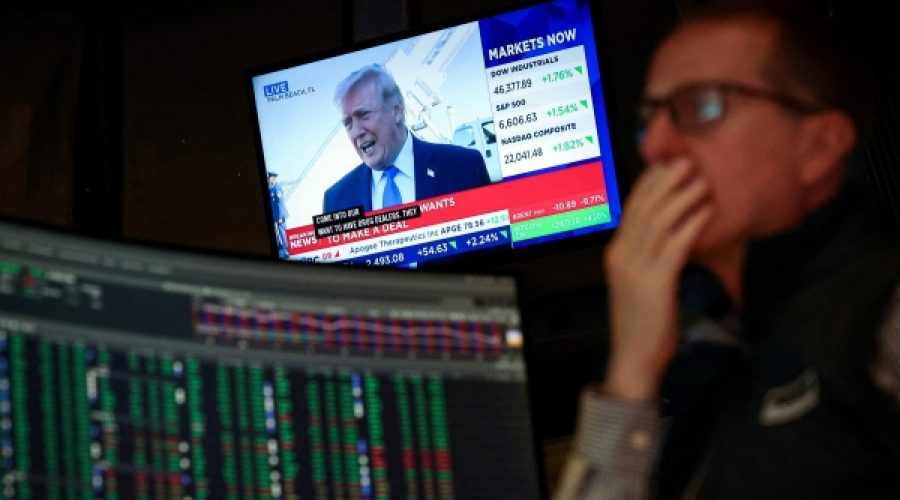
معاملات آتی مرتبط با شاخصهای S&P 500 و Nasdaq 100 یک شبه افزایش یافت و روند صعودی قوی سهام ایالات متحده را ادامه داد. در همین حال، بازارهای آسیایی این حرکت صعودی را رهبری کردند و شاخص Kospi کره جنوبی از 6% عبور کرد.
قیمت نفت که به ۱TP4T119 در هر بشکه رسیده بود، از آن زمان به سمت ۱TP4T105 کاهش یافته است، زیرا معاملهگران در حال ارزیابی مجدد پتانسیل اختلال مداوم هستند. گرین اظهار میکند: “بازارها اکنون بر اساس آخرین اظهارات ترامپ، عملاً سناریوی جنگ دو تا سه هفتهای را معامله میکنند” و تأکید میکند که این واکنش مستقیماً بر قیمتگذاری در طبقات مختلف دارایی تأثیر میگذارد.
تغییر سریع در احساسات بازار با اظهارات رئیس جمهور ترامپ مبنی بر احتمال حل سریع مناقشه، در کنار تأیید مارکو روبیو، وزیر امور خارجه ایالات متحده، در مورد مذاکرات جاری با ایران، تسریع شده است. سرمایهگذاران انتظارات خود را نه بر اساس نتایج تأیید شده، بلکه بر اساس کاهش محسوس در فرصت درگیری تنظیم میکنند.
گرین خاطرنشان میکند که بازارهای مالی از روند سیاسی جلوتر هستند و قبل از اینکه دیپلماسی بتواند به آنها برسد، به کاهش تنشها قیمت میدهند. او میافزاید: “بازارها بر اساس احتمالات عمل میکنند، نه نتایج تأیید شده.” او تأکید میکند که احتمال یک درگیری کوتاهتر به شدت در حرکات بازار لحاظ میشود.
کاهش قیمت نفت برای این تغییر قیمت بسیار مهم است. کاهش شدید قیمت نفت خام پیامدهایی برای انتظارات تورمی و نرخ بهره دارد و به افزایش ارزش سهام و تقویت احساسات کلی در بین طبقات مختلف دارایی کمک میکند. گرین میگوید: “با کاهش قیمت نفت خام، انتظارات تورمی کاهش مییابد و فشار نرخ بهره کمتر میشود، به همین دلیل است که سهام به شدت واکنش نشان میدهند.”.
این پویایی، یک جهش قدرتمند اما بالقوه شکننده را تقویت میکند. جلسات اخیر، قویترین عملکرد را برای سهام ایالات متحده در ماههای اخیر رقم زدهاند که نشاندهنده تغییر سریع احساسات است. تنها چند روز پیش، بازارها خود را برای تشدید و فشارهای تورمی مجدد آماده میکردند، اما اکنون موقعیت به سمت یک محیط اقتصاد کلان مطلوبتر در حال تغییر است.
مقیاس این حرکت نشان میدهد که سرمایهگذارانی که قبلاً مواضع تدافعی اتخاذ کرده بودند، اکنون با کاهش نگرانیهای ژئوپلیتیکی، دوباره به سمت داراییهای ریسکپذیر هجوم آوردهاند. چنین تغییر موضعی ممکن است در کوتاهمدت، بهویژه در بازارهای سهام که به تغییرات در انتظارات نرخ بهره و چشمانداز رشد حساس هستند، سود را تسریع کند.
بازارهای آسیایی این تغییر در جریان سرمایه جهانی را منعکس میکنند، به طوری که افزایش قابل توجه شاخص کوسپی نشان دهنده روند گستردهتر به سمت افزایش ریسکپذیری است. سرمایهگذاران در حال تخصیص مجدد وجوه به سمت بخشها و مناطقی هستند که تمایل دارند از بهبود انتظارات رشد جهانی و کاهش تنشهای ژئوپلیتیکی بهرهمند شوند.
گرین با تأکید بر اینکه بازارهای جهانی چگونه به هم پیوسته شدهاند، اظهار داشت: “تحرکات در یک طبقه دارایی اکنون تقریباً بلافاصله در کل سیستم منتقل میشود.” او توضیح میدهد که نوسانات نفت بر انتظارات تورمی تأثیر میگذارد، که به نوبه خود بر چشمانداز نرخ بهره تأثیر میگذارد و متعاقباً ارزشگذاری سهام را هدایت میکند.
بازارهای ارز نیز در واکنش به این وضعیت شروع به تعدیل خود کردهاند. با کاهش حق بیمه ریسک ژئوپلیتیکی و کاهش انتظارات تورمی، در صورت تداوم شرایط فعلی، تقاضا برای دلار آمریکا به عنوان یک دارایی امن میتواند رو به کاهش بگذارد و این امر به تغییر قیمت در بازار جهانی دامن میزند.
با وجود این موج خوشبینی، وضعیت اساسی همچنان متزلزل است. هیچ توافق رسمی حاصل نشده است و مذاکرات دیپلماتیک هنوز در حال انجام است، که باعث میشود بازارها به ویژه نسبت به تغییر در لفاظیها یا تحولات میدانی حساس باشند.
گرین هشدار میدهد که پایداری مسیر فعلی بازار به شدت به یک فرض اساسی متکی است. او هشدار میدهد: “این افزایش قیمت منوط به یک جدول زمانی مشخص است که هنوز تأیید نشده است. اگر این جدول زمانی تغییر کند یا شرایط بدتر شود، بازارها باید به همان سرعت خود را وفق دهند.”.
او با تأکید بر اهمیت اظهارات اخیر ترامپ و مدت زمان ضمنی درگیری، نتیجهگیری میکند: “بازارها با این فرض به شدت معامله میشوند. اگر این فرض پابرجا بماند، داراییهای ریسکپذیر به افزایش خود ادامه خواهند داد. اگر این فرض محقق نشود، اصلاح به همان اندازه سریع خواهد بود.”
تحلیل ویژه از عمانت | بازار عمان را کشف کنید
تغییر در بازارهای جهانی نشان میدهد خوشبینی کوتاهمدت تنشهای ژئوپلیتیکی پیرامون، به ویژه در مورد ایران، که هر دو را نشان میدهد فرصتها و ریسکها برای کسب و کارها در عمان. سرمایهگذاران باید موارد زیر را در نظر بگیرند پتانسیل افزایش ارزش سهام و یک پسزمینه کلان مطلوب اما هوشیار باشید، زیرا هرگونه تغییر در لفاظیهای دیپلماتیک میتواند منجر به ... تغییر سریع قیمت داراییها. کارآفرینان باید محتاط باشند و بین جذابیت یک بازار رو به رشد و احتمال رکود ناگهانی تعادل برقرار کنند.