تاثیر منازعات خاورمیانه بر رشد سفرهای هوایی: آنچه سرمایهگذاران و کسبوکارها در عمان باید بدانند
مسقط: تقاضای سفرهای هوایی بینالمللی در فوریه ۲۰۲۶ در مقایسه با ماه مشابه در سال ۲۰۲۵، ۵.۹ درصد افزایش یافت، در حالی که ظرفیت نسبت به سال گذشته ۵.۳ درصد افزایش یافت. ضریب بار به ۸۰.۵ درصد رسید که نشاندهنده بهبود ۰.۵ درصدی نسبت به فوریه ۲۰۲۵ است. با این حال، انتظار میرود این رشد در ماه آوریل به دلیل تحولات جاری در خاورمیانه کاهش یابد.
این منطقه به عنوان یک قطب ارتباطی حیاتی برای مسیرهای آفریقا-آسیا و آسیا-اروپا عمل میکند. طبق اعلام انجمن بینالمللی حمل و نقل هوایی (IATA)، کاهش اخیر ظرفیت در خاورمیانه احتمالاً در کوتاهمدت همچنان فشار نزولی بر رشد جهانی صندلیها وارد خواهد کرد.
“ویلی والش، مدیرکل یاتا، گفت: ”ماه فوریه با افزایش ۶.۱۱ واحد در هر سفر (TP3T) در درآمد حاصل از هر مسافر (RPK)، پایههای قوی برای رشد تقاضا نشان داد که نشاندهنده چشمانداز مثبت برای سال است. با این وجود، مدت و شدت درگیری در خاورمیانه همچنان نامشخص است و ارزیابی تأثیر کامل آن بر چشمانداز شرکتهای هواپیمایی را دشوار میکند.» وی افزود که هزینههای سوخت به شدت افزایش یافته و در بحبوحه ظرفیت محدود و حاشیه سود کم، قیمت بلیط هواپیما را افزایش داده است. شرکتهای هواپیمایی همچنین در حال تنظیم ظرفیت خود، به ویژه برای مسیرهایی که شامل خاورمیانه یا مناطقی هستند که تحت تأثیر چالشهای تأمین سوخت قرار دارند، هستند. به عنوان مثال، رشد ظرفیت برنامهریزی شده برای ماه مارس از پیشبینیهای قبلی که بیش از ۵۱ واحد در هر سفر بود، به ۳.۳۱ واحد در هر سفر (TP3T) کاهش یافته است.
در سطح جهانی، ظرفیت صندلی در ماه فوریه نسبت به سال گذشته ۳.۹ درصد افزایش یافت، اما در ماه مارس به ۳.۳ درصد کاهش یافت. این بازنگری عمدتاً ناشی از کاهش قابل توجه ظرفیت توسط شرکتهای هواپیمایی خاورمیانه است که ناشی از بسته شدن حریم هوایی ایران به دلیل درگیریها و لغو یا تغییر مسیر پروازها بوده است.
خطوط هوایی خاورمیانه در فوریه ۲۰۲۶ رشد ناچیز ۰.۸ درصدی ترافیک مسافر را نسبت به سال گذشته ثبت کردند. این عملکرد ضعیف تا حدودی به دلیل آغاز ماه رمضان در اوایل امسال (۱۹ فوریه) در مقایسه با ۲۸ فوریه ۲۰۲۵، در کنار تنشهای ژئوپلیتیکی و نگرانیهای ایمنی مرتبط با درگیریها است.
پیش از وقوع جنگ اسرائیل-آمریکا-ایران، پیشبینیهای تقاضای بلندمدت یاتا در ماه مارس حاکی از آن بود که تقاضای جهانی سفرهای هوایی تا سال ۲۰۵۰ دو برابر خواهد شد. بر اساس یک مدل اقتصادسنجی جامع که شامل سرانه تولید ناخالص داخلی، رشد جمعیت و ظرفیت خطوط هوایی است، پیشبینی میشود که درآمد حاصل از مسافت طی شده توسط مسافران تا سال ۲۰۵۰ از ۲۰ تریلیون کیلومتر فراتر رود، که نسبت به ۹ تریلیون کیلومتر در سال ۲۰۲۴ افزایش یافته است و نشاندهنده نرخ رشد مرکب سالانه (CAGR) ۳.۱ درصد است.
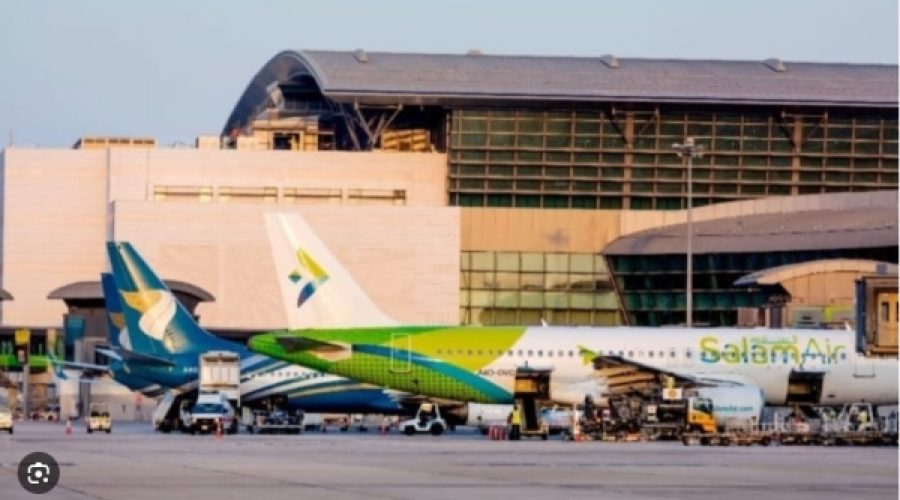
فرودگاه بینالمللی مسقط تا پایان فوریه ۲۰۲۶، ۲,۱۲۹,۲۲۹ مسافر را جابجا کرد، در حالی که این رقم در مدت مشابه در سال ۲۰۲۵، ۲,۰۹۸,۰۷۴ مسافر بود.
تحلیل ویژه از عمانت | بازار عمان را کشف کنید
تنشهای ژئوپلیتیکی و محدودیتهای ناشی از حریم هوایی در خاورمیانه باعث... کاهش رشد ظرفیت و افزایش هزینههای عملیاتی برای خطوط هوایی, ، خطراتی را برای سفرهای هوایی منطقهای و مشاغل مرتبط ایجاد میکند. برای عمان، که به عنوان یک قطب استراتژیک قرار گرفته است، این فرصتی ایجاد میکند تا تقویت زیرساختهای هوانوردی و تنوعبخشی به مسیرهای ترافیک هوایی برای جذب تقاضای منحرف شده. سرمایهگذاران و کارآفرینان هوشمند باید در نظر بگیرند سرمایهگذاری در لجستیک انعطافپذیر، راهحلهای سوخت جایگزین و خدمات فرودگاهی پیشرفته برای بهرهبرداری از تغییر الگوهای سفر و کاهش فشارهای ناشی از افزایش هزینه سوخت.