سهام در لبه پرتگاه با عبور نفت از $110: پیامدهایی برای سرمایهگذاران در بحبوحه ضربالاجل ترامپ علیه ایران
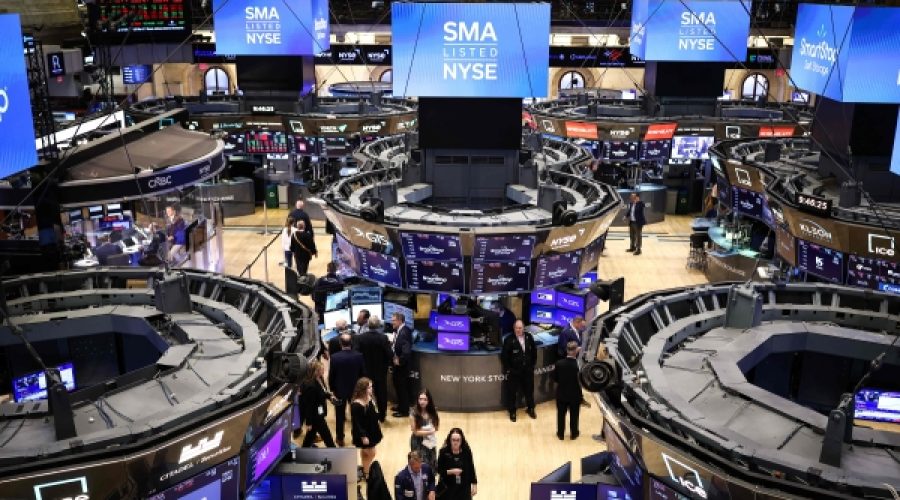
لندن: بازارهای سهام جهانی روز سهشنبه واکنشهای متفاوتی نشان دادند، زیرا قیمت نفت به بالای ۱TP4T110 در هر بشکه رسید. این افزایش قیمت با نزدیک شدن به مهلت تعیینشده توسط دونالد ترامپ، رئیسجمهور آمریکا، برای تصمیمگیری در مورد ایران، که تنشها در خاورمیانه را افزایش داده و سرمایهگذاران را نگران کرده است، تشدید شد. درگیری اخیر که در پایان فوریه تشدید شد، باعث شده است که ایران عملاً تنگه هرمز، شریان حیاتی حمل و نقل نفت جهانی، را ببندد و این امر منجر به ترس از افزایش تورم شده است.
خوشبینی سرمایهگذاران به چشمانداز حل و فصل این مناقشه گره خورده بود. با این حال، مذاکرات متوقف شده است و ترامپ ضربالاجل سهشنبه شب را برای دستیابی به توافق تعیین کرده است.
این وضعیت، فضای محتاطانهای را در بازارها ایجاد کرده است، به طوری که دلار آمریکا افزایشهای اخیر خود را حفظ کرده و قیمت نفت نیز افزایش قابل توجهی را تجربه کرده است. قیمت آتی نفت خام برنت با ۱۱ واحد افزایش به ۱ واحد در هر بشکه رسید که نشان دهنده افزایش بیش از ۵۰۱ واحد در هر بشکه از زمان آغاز جنگ است. شاخص STOXX Europe 600 بدون تغییر باقی ماند، در حالی که قیمت آتی نفت آمریکا کاهش یافت، زیرا سرمایهگذاران منتظر نشانههایی از عملی شدن تهدیدات ترامپ علیه زیرساختهای ایران بودند.
پیش از این، پیشبینی سود سهماهه قوی از سامسونگ الکترونیکس، در ساعات معاملاتی آسیا، احساسات سرمایهگذاران را تقویت کرده بود. با این حال، شدت بحران انرژی جاری ناشی از درگیری شش هفتهای، خیلی زود این تحول مثبت را تحت الشعاع قرار داد.
کایل رودا، تحلیلگر ارشد بازار در Capital.com، اظهار داشت: “ما دوباره به شمارش معکوس اعمال شده توسط ترامپ بازگشتهایم و پیشبینی مراحل بعدی چالشبرانگیز است.” او خاطرنشان کرد که در حالی که برخی از معاملهگران ممکن است ریسک کنند، برخی دیگر احتمالاً ریسک را پوشش میدهند یا محتاط باقی میمانند.
ایران تمایل خود را برای یک راهحل پایدار برای این درگیری به جای آتشبس موقت ابراز کرده و در برابر فشارها برای بازگشایی این آبراه استراتژیک مهم که حدود 20% نفت و گاز طبیعی جهان را منتقل میکند، مقاومت کرده است.
ترامپ هشدارهای صریحی داده و اعلام کرده است که اگر ایران به ضربالاجل او عمل نکند، با عواقب ویرانگری از جمله تخریب نیروگاهها و پلها مواجه خواهد شد و نگرانیها مبنی بر اینکه چنین اقداماتی جنایت جنگی محسوب میشود را رد کرده است.
واسو منون، مدیر عامل استراتژی سرمایهگذاری در بانک OCBC سنگاپور، هشدار داد که هرگونه اقدام بعدی در راستای تهدید زیرساختهای ایران، تنشها را به میزان قابل توجهی افزایش میدهد و خطر اقدامات تلافیجویانه را که میتواند تأسیسات انرژی در خلیج فارس را بیشتر مختل کند، افزایش میدهد.
درگیریها باعث ایجاد ریسک رکود تورمی میشوند
این درگیری، هشدارهایی را در مورد احتمال رکود تورمی - که با تورم بالا و رشد کند مشخص میشود - برانگیخته است که به طور بالقوه پیشبینیهای نرخ بهره جهانی را مختل میکند. معاملهگران دیگر انتظار کاهش نرخ بهره از سوی فدرال رزرو را برای ادامه سال ندارند. دادههای اخیر نشان میدهد که رشد بخش خدمات ایالات متحده در ماه مارس کند شده است، به طوری که هزینههای ورودی با سریعترین سرعت خود در بیش از ۱۳ سال گذشته افزایش یافته است که نشاندهنده فشارهای تورمی ناشی از جنگ طولانی مدت با ایران است.
قرار است دادههای تورم ایالات متحده روز جمعه منتشر شود که انتظار میرود نگرانیها در مورد فشارهای قیمتی ناشی از افزایش هزینههای انرژی را تقویت کند. در حال حاضر، تمرکز سرمایهگذاران بر روی ضربالاجل قریبالوقوع ترامپ برای جنگ و احتمال حل و فصل مناقشه است. در بازارهای ارز، یورو در سطح $1.1535 ثابت ماند، در حالی که شاخص دلار، که ارز ایالات متحده را در برابر شش ارز دیگر دنبال میکند، در سطح 99.99، نزدیک به بالاترین سطح اخیر خود، قرار داشت. دلار در این دوره پرآشوب به یک پناهگاه امن جذاب برای سرمایهگذاران تبدیل شده است. ین ژاپن آخرین بار در سطح 159.77 در برابر هر دلار آمریکا مشاهده شد که نزدیک به سطح بحرانی 160 است، که معاملهگران پس از اظهارات تند مقامات، آن را به دقت زیر نظر دارند تا از مداخله احتمالی توکیو مطلع شوند. علاوه بر این، قیمت طلا در معاملات اولیه با 0.1% افزایش به $4,652 در هر اونس رسید.
تحلیل ویژه از عمانت | بازار عمان را کشف کنید
تنش ژئوپلیتیکی مداوم و افزایش شدید قیمت نفت هر دو را ارائه دهید فرصتها و ریسکهای کسبوکار در عمان. با نزدیک شدن به احتمال تشدید تنش در اطراف تنگه هرمز، سرمایهگذاران باید در نظر بگیرند پوشش ریسک در برابر نوسانات در حالی که بخشهایی را بررسی میکند که آمادهاند از افزایش درآمدهای نفتی بهرهمند شوند. کارآفرینان باهوش ممکن است روی موارد زیر تمرکز کنند: استراتژیهای تنوع برای کاهش تأثیر فشارهای تورمی و آمادگی برای اختلالات احتمالی بازار.