افزایش قیمت نفت، نشانه عدم قطعیت بازار است: آنچه سرمایهگذاران و کسبوکارها در عمان باید بدانند
قیمت نفت پس از کاهش شدید روز گذشته، روز پنجشنبه افزایش یافت، زیرا آتشبس در مناقشه مربوط به ایران نامشخص به نظر میرسد و تنگه هرمز تا حد زیادی به روی اکثر ترافیک دریایی بسته مانده است.
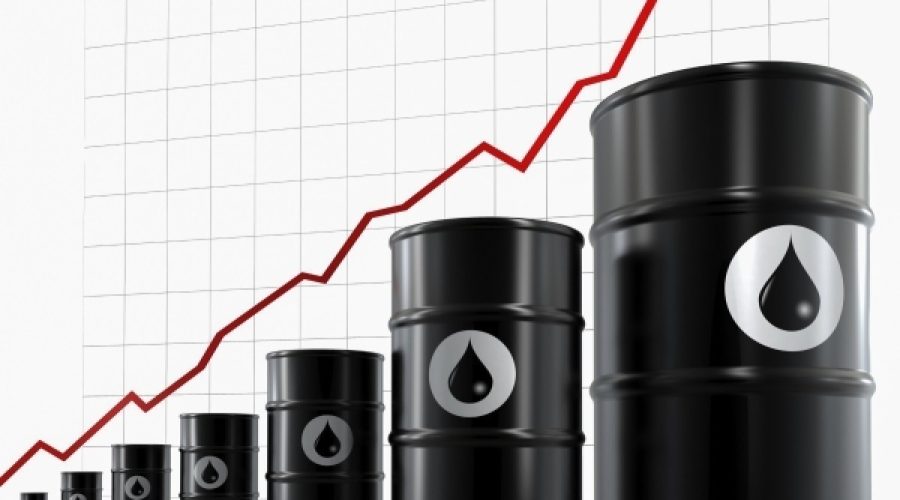
نفت خام برنت برای تحویل در ماه ژوئن صبح پنجشنبه با قیمت $97.24 در هر بشکه (159 لیتر) معامله شد که نسبت به روز چهارشنبه 2.6% افزایش نشان میدهد. قیمتها روز چهارشنبه پس از اعلام آتشبس دو هفتهای بین ایالات متحده و ایران، به نزدیک $90 سقوط کرده بودند که پایینترین حد از اواسط ماه مارس است.
به همین ترتیب، قیمت نفت خام وست تگزاس اینترمدیت (WTI) آمریکا برای تحویل در ماه مه نیز صبح پنجشنبه افزایش یافت.
قیمت نفت همچنان به عنوان شاخص کلیدی فشارهای تورمی و نگرانیهای مربوط به رشد اقتصادی در بازارهای جهانی عمل میکند.
تنشها پس از حملات هوایی اسرائیل در لبنان تشدید شد و ایران را بر آن داشت تا تهدید به خروج از آتشبس تازه توافقشده با ایالات متحده کند. عباس عراقچی، وزیر امور خارجه ایران، در X نوشت که ایالات متحده باید بین “آتشبس یا ادامه جنگ از طریق اسرائیل” یکی را انتخاب کند و تأکید کرد که “نمیتواند هر دو را داشته باشد”.”
در همین حال، دونالد ترامپ، رئیس جمهور آمریکا، هشدار داد که در صورت عدم دستیابی به توافق جامع، احتمال تشدید تنش نظامی علیه ایران وجود دارد.
تحلیل ویژه از عمانت | بازار عمان را کشف کنید
نوسانات بیثبات قیمت نفت در بحبوحه چشماندازهای شکننده آتشبس در مناقشه ایران هم ریسکها و هم فرصتها برای کسبوکارها در عمان. در حالی که قیمتهای بالاتر نفت میتواند درآمدهای دولت و سرمایهگذاری در بخش انرژی را افزایش دهد، عدم قطعیت ژئوپلیتیکی مداوم، برنامهریزی استراتژیک محتاطانهای را میطلبد. سرمایهگذاران و کارآفرینان هوشمند باید ثبات منطقهای را از نزدیک زیر نظر داشته باشند و برای کاهش خطرات مرتبط با شوکهای ناگهانی بازار، سبد سرمایهگذاری خود را متنوع کنند.