سقوط سهام در بحبوحه عدم قطعیت آتشبس خاورمیانه: این موضوع چه معنایی برای سرمایهگذاریهای شما و بازار نفت در عمان دارد؟
لندن/سیدنی - بازارهای سهام جهانی روز پنجشنبه با بروز نشانههای اولیه تنش در آتشبس شکننده خلیج فارس، کاهش یافتند و قیمت نفت را به سمت سطح ۱TP4T100 در هر بشکه بازگرداندند و از فشارهای تورمی طولانیمدت در پیش رو خبر دادند. نکته قابل توجه این است که شواهد کمی وجود دارد که تنگه استراتژیک هرمز برای ترانزیت قابل توجه باز باشد، زیرا ایران کنترل این مسیر حیاتی نفت را در دست دارد و برای عبور ایمن عوارض دریافت میکند.
دونالد ترامپ، رئیس جمهور آمریکا، در شبکههای اجتماعی اعلام کرد که نیروهای آمریکایی تا زمان اجرای کامل توافق در خلیج فارس باقی خواهند ماند. او هشدار داد که در غیر این صورت، درگیری تشدید خواهد شد و عواقب آن را “بزرگتر، بهتر و قویتر از آنچه تاکنون دیده شده است” توصیف کرد.”
در همین حال، اسرائیل سنگینترین حملات هوایی خود را به لبنان از زمان آغاز درگیری با شبهنظامیان حزبالله تحت حمایت ایران در ماه گذشته انجام داد که منجر به کشته شدن بیش از ۲۵۰ نفر در روز چهارشنبه شد.
در واکنش، قیمت آتی نفت خام برنت با ۲.۵ درصد افزایش به ۱TP4T97.28 در هر بشکه رسید، در حالی که قیمت آتی نفت خام آمریکا با ۳.۳ درصد افزایش به ۱TP4T97.55 رسید. شاخص STOXX 600 پان-اروپایی پس از جهش ۳.۷ درصدی در روز چهارشنبه پس از اعلام آتشبس، با ۰.۲ درصد کاهش آغاز شد.
پیتر کینسلا، رئیس خدمات سرمایهگذاری بریتانیا در UBP، خاطرنشان کرد که حرکات بازار همچنان تحت تأثیر اخبار است. با وجود نوسانات قابل توجه در قیمت نفت، نوسانات عمده ارز همچنان محدود است. او توضیح داد: “برای سرمایهگذاران بسیار دشوار است زیرا آنها با درگیریای روبرو هستند که در آن طرفهای اصلی حتی نمیدانند چه میخواهند.”.
بازده اوراق قرضه دولتی اروپا که بر هزینههای استقراض تأثیر میگذارد، پس از کاهش شدید در روز چهارشنبه، در معاملات اولیه افزایش یافت. دادههای آلمان نشان دهنده کاهش غیرمنتظره تولید صنعتی در ماه فوریه بود که نشان میدهد بزرگترین اقتصاد اروپا، حتی قبل از شروع خصومتها با ایران، تحت فشار قرار گرفته و به سمت یک فصل دیگر انقباض پیش میرود.
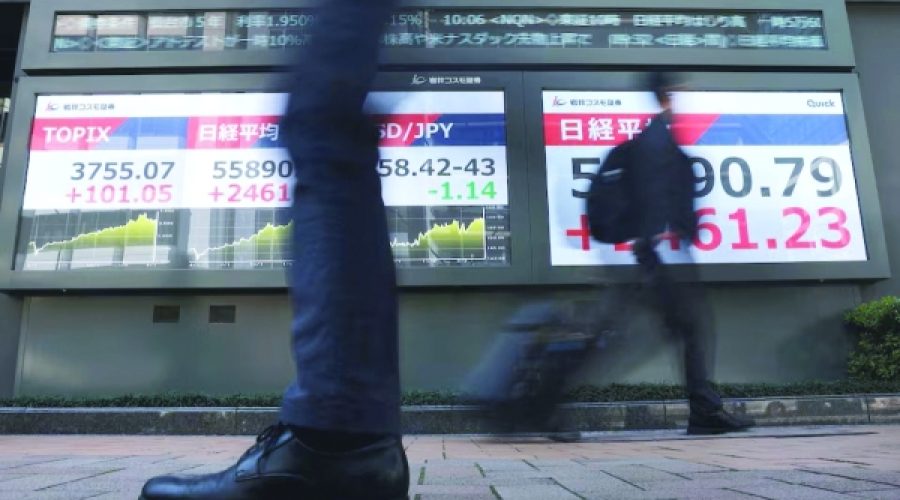
در آسیا، شاخص نیکی ژاپن پس از افزایش ۵.۴ درصدی در روز قبل، دیشب با ۰.۷ درصد کاهش بسته شد. بازار کره جنوبی پس از جهش ۶.۸ درصدی، ۱.۶ درصد کاهش یافت. سهام شرکتهای برتر چین ۰.۶ درصد کاهش یافت، در حالی که گستردهترین شاخص سهام آسیا-اقیانوسیه اماسسیآی در خارج از ژاپن ۰.۷ درصد کاهش یافت. در وال استریت، معاملات آتی S&P 500 و نزدک هر دو قبل از شروع بازار حدود ۰.۴ درصد کاهش یافتند.
با توجه به اینکه قیمت نفت تقریباً ۴۰ درصد بالاتر از سطح قبل از درگیریها باقی مانده است، انتظار میرود تورم در دادههای اقتصادی جهانی آینده افزایش یابد. پیشبینی میشود ارقام تورم پایه ایالات متحده برای ماه فوریه که قرار است اواخر پنجشنبه منتشر شود، برای دومین ماه متوالی افزایش ۰.۴ درصدی را نشان دهد - البته قبل از اینکه افزایشهای اخیر قیمت انرژی را در نظر بگیریم.
به گفته مایکل متکالف، رئیس ماکرو استراتژی، دادههای تورمی پرایساستاتس استریت نشان داد که ماه مارس بیشترین افزایش قیمت ماهانه را حداقل از سال ۲۰۰۸ تاکنون تجربه کرده است. صورتجلسه آخرین جلسه سیاستگذاری فدرال رزرو نشان دهنده اجماع فزایندهای مبنی بر لزوم افزایش نرخ بهره برای کنترل تورم بود، اگرچه بسیاری از اعضا هنوز امیدوارند که اقدام بعدی کاهش نرخ بهره باشد. این چشمانداز، افزایش قیمت اوراق خزانهداری ایالات متحده را تعدیل کرد، که نسبت به افزایش قیمت اوراق قرضه اروپایی در روز چهارشنبه، کمتر مشهود بود.
بازده اوراق قرضه ده ساله خزانه داری ایالات متحده به ۴.۲۹۶ درصد رسید که نسبت به ۳.۹۶ درصد قبل از حمله به ایران افزایش یافته است. معاملات آتی صندوق فدرال اکنون تنها با حداقل کاهش - ۶ واحد پایه - در ادامه سال قیمت گذاری میشوند و انتظارات برای کاهش ۵۰ واحد پایه از اواخر فوریه را کنار گذاشتهاند. در مقابل، بازارهای پول اروپا حداقل دو افزایش نرخ بهره از سوی بانک مرکزی اروپا را در سال جاری پیشبینی میکنند.
تحلیلگران جیپیمورگان اظهار داشتند: “کمیته بهطور کلی موافقت کرد که برای اقدام خیلی زود است و این نشان میدهد که فدرال رزرو احتمالاً امسال، مطابق با دیدگاه ما، در حالت تعلیق باقی خواهد ماند.” چشمانداز نرخ در حال تغییر باعث شد دلار بخشی از ضررهای خود را جبران کند؛ شاخص دلار در ۹۹.۰۶ واحد بود، در حالی که یورو در ۱TP4T1.1660 ثابت ماند که از اوج روز قبل خود یعنی ۱TP4T1.1721 پایینتر است. دلار با اندکی افزایش به ۱۵۸.۹۳ ین رسید و از پایینترین سطح ۱۵۷.۸۹ در روز چهارشنبه بهبود یافت.
در بازار کالاها، طلا پس از رسیدن به ۱TP4T4,777 در اوایل معاملات، به ۱TP4T4,713 در هر اونس بازگشت، در حالی که قیمت گاز طبیعی اروپا با افزایش ملایمی به ۴۵.۶۵ یورو در هر مگاوات ساعت رسید که در مقایسه با نفت افزایش بسیار کمتری را نشان میدهد.
— رویترز
تحلیل ویژه از عمانت | بازار عمان را کشف کنید
تشدید تنشهای خلیج فارس و افزایش قیمت نفت نزدیک به ۱TP4T100 در هر بشکه خطرات حیاتی برای اقتصاد عمان که به شدت به صادرات نفت وابسته است را برجسته کنید, با تشدید نوسانات بازار و فشارهای تورمی در سطح جهانی، این محیط برای کسبوکارها نیازمند چابکی استراتژیک است تا بتوانند تورم هزینهها و اختلالات زنجیره تأمین را مدیریت کنند. سرمایهگذاران باید تحولات ژئوپلیتیکی را از نزدیک زیر نظر داشته باشند برای بهرهبرداری از نوسانات بازار نفت و فرصتهای منطقهای نوظهور. کارآفرینان هوشمند در عمان باید در نظر بگیرند تنوعبخشی و کاهش ریسک اکنون برای پیمایش مؤثر چشمانداز نامشخص.