پرتفوی ۱۵.۵ میلیون ریالی ظفار، برتری نظم بر حجم معاملات را برجسته میکند: بینشهای کلیدی برای پیمانکاران و سرمایهگذاران عمان
بینشهایی از بخش ساخت و ساز عمان: تحلیل سبد پروژههای ظفار
در صنعت ساخت و ساز عمان، مهمترین عوامل فراتر از ارزش پولی قراردادهای آتی هستند. توانایی مدیریت موثر هزینههای رو به افزایش، جدول زمانی دقیق، خواستههای تامینکنندگان و پرداختهای معوق برای پیمانکاران ضروری است.
یک نمونه کار پروژه قابل توجه مستقر در ظفار، با ارزش ۱۵.۴۷۷ میلیون روپیه, ، شامل هشت پروژه عمرانی است که به جای یک رقم صرفاً تیتروار، تصویر واضحتری از پویایی بازار ارائه میدهند. این سبد پروژه متعادل است و شامل چهار پروژه تکمیلشده و چهار پروژه در حال ساخت میباشد.
پروژههای تکمیلشده عبارتند از:
- ماراسی میربات: ۳.۲۵۷ میلیون روپیه
- مجتمع میربت۵۰۰۰۰۰ ریال
- مرکز فروش در الشروق: ۱۲۰،۰۰۰ روپیه اندونزی
- مجتمع مسکونی الذهب: ۱ میلیون ریال سعودی
پروژههای فعال عبارتند از:
- مجتمع تجاری الدهریز: ۶۰۰۰۰۰ ریال
- مراسی السعده ۱: ۲ میلیون ریال
- مراسی السعده ۲: ۷ میلیون روپیه
- مجتمع مسکونی السعده: ۱ میلیون ریال سعودی
اگرچه این ممکن است در ابتدا یک روایت رشد ساده به نظر برسد، اما ترکیب پروژهها و اهمیت بزرگترین آنها، استراتژیهای جدید بقا را برای پیمانکاران متوسط در عمان آشکار میکند.
تأثیر قراردادهای بزرگ
در میان پروژهها، یکی از آنها برجسته است ۷ میلیون روپیه, تقریباً نیمی از پرتفوی را تشکیل میدهند. چنین پروژههای بزرگی میتوانند به طور قابل توجهی اعتبار یک پیمانکار را افزایش دهند، با این حال چالشهایی را نیز به همراه دارند که پروژههای کوچکتر با آنها مواجه نمیشوند. این چالشها شامل فرآیندهای تدارکات گستردهتر، اتکای بیشتر به پیمانکاران فرعی، مدیریت پیچیده پروژه و حاشیه خطای کم است.
ریسک اصلی در مدیریت جریان نقدی نهفته است. یک پیمانکار میتواند روی کاغذ سودآور به نظر برسد، اما اگر در حالی که منتظر پرداختهای تایید شده است، پرداختها را از قبل به تامینکنندگان انجام دهد، ممکن است با مشکل مواجه شود. این پویایی “اول خرج کن، بعد جمع کن” میتواند منجر به پریشانی برای پیمانکاران شود، نگرانیای که در سراسر منطقه، از جمله عمان، شایع است.
بنابراین، هنگام ارزیابی یک سبد سرمایهگذاری که توسط یک پروژه بزرگ و منحصر به فرد پشتیبانی میشود، سوال اساسی صرفاً اندازه آن نیست، بلکه این است که پیمانکار چقدر میتواند به طور مؤثر آن را تأمین مالی و مدیریت کند.
تأکید بر سرمایه در گردش
با توجه به اینکه هزینههای ساخت و ساز عمدتاً از قبل متحمل میشوند - شامل مصالح، نیروی کار و تجهیز - جدول زمانی پرداخت اغلب به مراحل مهم پروژه، تأییدیهها و چرخههای پردازش بستگی دارد. در نتیجه، بسیاری از پیمانکاران اکنون بر زمانبندی بیش از حاشیه سود تأکید دارند: درک زمان پرداخت و زمان وصول.
انضباط در چندین حوزه کلیدی نمود پیدا میکند:
- برنامهریزی تدارکاتتأمین زودهنگام مواد ضروری برای جلوگیری از تأخیر، بدون نیاز به صرف هزینه اضافی.
- کنترل محدودهمدیریت تغییرات کوچک برای جلوگیری از کارهای گسترده و برنامهریزی نشده.
- بهرهوری سایت: نگاه به بهرهوری به عنوان یک معیار مالی به جای صرفاً عملیاتی.
رویکرد متعادل مجموعه پروژههای ظفار - چهار پروژه تکمیلشده و چهار پروژه در حال انجام - نشاندهنده تمرکز استراتژیک بر پیشرفت در عین حفظ دسترسی قابل مدیریت است.
تغییر به سمت پروژههای کلید در دست
پروژههای ذکر شده بر تحویل کلید در دست تأکید دارند که شامل کارهای عمرانی و خدمات مکانیکی، برقی و لولهکشی (MEP) میشود. مشتریان اغلب این مدل را به دلیل سادگی در پاسخگویی ترجیح میدهند، زیرا یک پیمانکار واحد بر کل فرآیند نظارت دارد و خطر شکست در هماهنگی و اختلافات را کاهش میدهد.
با این حال، برای پیمانکاران، پروژههای کلید در دست نیازمند مدیریت قوی هستند. یک مشخصات نامشخص میتواند گردشهای کاری متعدد را مختل کند و منجر به افزایش هزینهها و طولانی شدن جدول زمانی شود. تحویل موفقیتآمیز کلید در دست نیازمند مستندسازی پیشرفته، فرآیندهای قوی برای تغییر سفارش و برنامهریزی منظم است.
شیوههای در حال تکامل مناقصه
مشخصات این شرکت نشاندهنده ثبت آن در دبیرخانه هیئت مناقصات عمان با شماره ثبت ۰۰۰۱۴۷۶۷، مورخ ۵ فوریه ۲۰۲۵ است. این همترازی میتواند دسترسی به فرصتهای ساختاریافته را تسهیل کند، اما انتظارات را در مورد انطباق با قوانین، مستندسازی و اعتبار تحویل نیز افزایش میدهد. بازار در برابر وعدههای بیش از حد، کمتر بخشنده شده است.
یک تغییر قابل توجه در چشمانداز پیمانکاری عمان این است که اکنون تضمین یک پروژه اغلب چالش کمتری نسبت به تحویل آن بدون به خطر انداختن جریان نقدی یا اعتبار دارد. این پویایی در حال تحول، این بخش را از اولویت دادن به مناقصههای با قیمت پایین دور میکند، زیرا قراردادهایی که بدون ظرفیت شرکت برنده میشوند، میتوانند به یک بار مالی و عملیاتی تبدیل شوند.
عمانیسازی: فراتر از اعداد
در مشخصات این شرکت آمده است که در مجموع ۲۹ کارمند، از جمله سه عمانی، در این شرکت مشغول به کار هستند که منجر به نرخ عمانی شدن ... 10.34%. در ساخت و ساز، افزایش نیروی کار محلی صرفاً مربوط به تعداد نیست؛ چالش واقعی در توسعه مهارتها، شرایط محل و همبستگی بین بهرهوری و نظارت مؤثر نهفته است.
بسیاری از پیمانکاران اکنون بر بومیسازی نقشهای اساسی که عملکرد را هدایت میکنند، تمرکز دارند، مانند:
- نظارت ایمنی
- کنترل کیفیت
- برنامهریزی و پیگیری
- مدیریت تدارکات و موجودی
این بومیسازی استراتژیک، ظرفیتسازی را تقویت میکند و با اولویتهای چشمانداز عمان ۲۰۴۰ برای بخش خصوصی همسو است.
پیامدهای گستردهتر پروژه خط لوله ظفار
اگرچه این پروژهها در ظفار - عمدتاً در صلاله و میربات - متمرکز هستند، اما به این روایت ملی کمک میکنند که توسعه فراتر از مسقط است. عواملی مانند فعالیت گردشگری، تقاضای مسکن و پروژههای چندمنظوره، چرخههای ساخت و ساز منطقهای را حفظ میکنند. با این حال، رشد منطقهای چالشهایی از جمله لجستیک و ملاحظات فصلی را به همراه دارد که بر نیاز به برنامهریزی دقیق تأکید میکند.
بنابراین، خط لوله ظفار چیزی بیش از یک تجارت محلی است؛ این خط لوله به عنوان یک شاخص منطقهای برای رشد بخش ساخت و ساز عمان عمل میکند.
نگاهی به آینده تا سال ۲۰۲۶: ارزش کنترل
درس کلی از این پرتفوی این است که بازار به طور فزایندهای به سبک جدیدی از رشد پاداش میدهد - سبکی که با ویژگیهای زیر مشخص میشود:
- اعتبار تحویل
- مدیریت جریان نقدی
- انبساط کنترلشده
- مناقصه منضبط
- عمانیزاسیون متمرکز بر بهرهوری
با نزدیک شدن به سال ۲۰۲۶، انتظار میرود که بخش پیمانکاری شاهد شکاف بیشتری بین شرکتهایی باشد که مقیاسپذیری مسئولانهای دارند و شرکتهایی که رشد خود را روی کاغذ اغراقآمیز نشان میدهند. در این چرخه در حال تکامل، نظم و انضباط از یک کالای صرفاً لوکس به یک مدل کسبوکار اساسی تبدیل شده است.
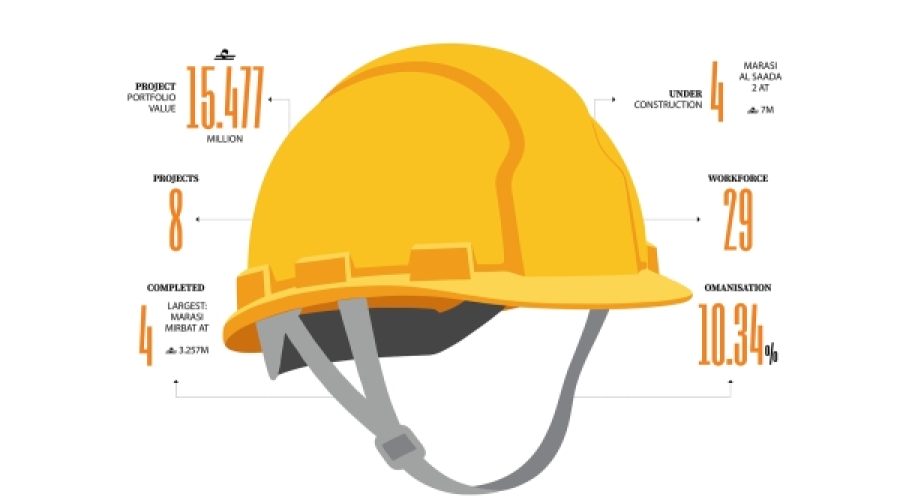
جعبه اطلاعات
- ارزش سبد پروژه: ۱۵.۴۷۷ میلیون روپیه
- کل پروژهها: 8
- پروژههای تکمیلشده: ۴ (بزرگترین: مراسی میربات با ۳.۲۵۷ میلیون ریال)
- پروژههای در دست ساخت: ۴ (بزرگترین: مراسی السعده ۲ با ۷ میلیون ریال)
- نیروی کار: 29
- نرخ عمانیسازی: 10.34%
تحلیل ویژه از عمانت | بازار عمان را کشف کنید
The پویاییهای در حال تغییر در بخش ساخت و ساز عمان نشانگر یک مقطع بحرانی برای کسبوکارها است که هر دو را آشکار میکند فرصتها در مدیریت منظم پروژه و ریسکهای مرتبط با سوء مدیریت جریان نقدی. سرمایهگذاران هوشمند اکنون باید اولویتبندی کنند شرکتهایی که کنترلهای مالی قوی و اعتبار تحویل را نشان میدهند, چرا که این ویژگیها، شرکتهای موفق را در چشمانداز رقابتی متمایز میکنند. با نزدیک شدن به سال ۲۰۲۶،, کنترل بر رشد و مناقصه منضبط به عناصر ضروری برای شیوههای تجاری پایدار در عمان تبدیل خواهند شد.