Rising Oil Prices Amid US-Iran Tensions: Implications for Investors and Businesses in Oman
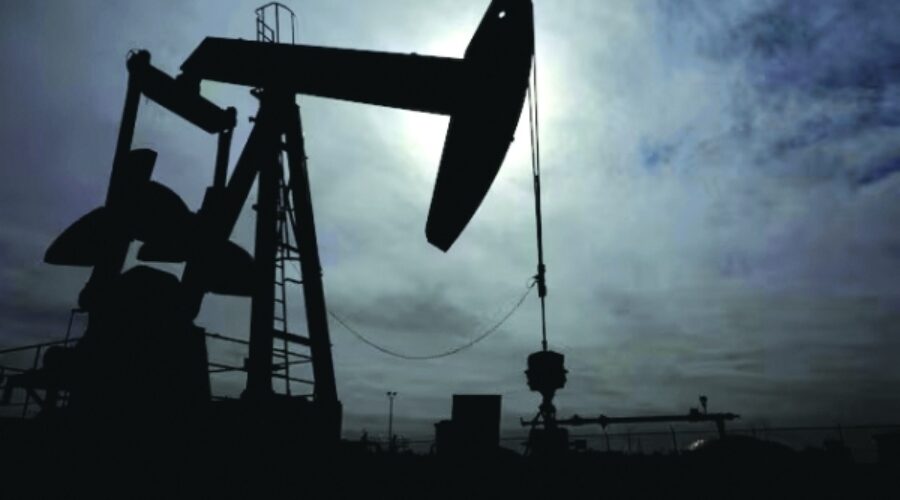
سنگاپور: Oil prices surged on Thursday amid rising tensions between the U.S. and Iran, but subsequently moderated as traders evaluated the potential impact on oil supply disruptions.
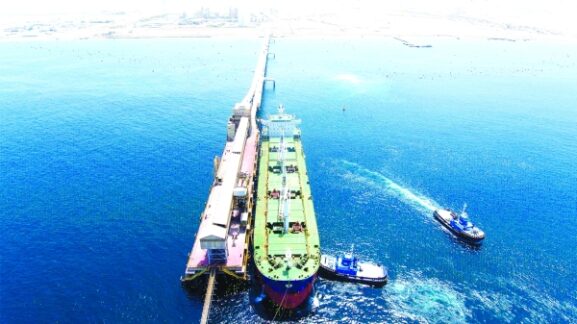
Tensions escalated when Iran announced the closure of the Strait of Hormuz, following U.S. military strikes against Iranian targets. President Donald Trump further threatened more attacks if a peace agreement is not reached.
By 0702 GMT, Brent crude futures had increased by 8 cents, or 0.09%, reaching $93.18 per barrel. Meanwhile, U.S. West Texas Intermediate (WTI) crude rose by 25 cents, or 0.28%, to $90.28 per barrel, with both contracts having gained over $2 earlier in the trading session.
Iran’s military command stated that the Strait would be closed to all oil tankers and commercial vessels, warning that any ship attempting to pass would be targeted.
Analysts at ING noted in a report, “This suggests that a diplomatic resolution remains distant and energy supplies from the Persian Gulf will likely continue to face significant constraints.” The escalation in hostilities initially caused oil prices to rise, but the gains were not fully maintained as there have been no actual disruptions reported in oil shipments.
According to the U.S. military, commercial ships continued to navigate the Strait without incident, dispelling Iranian claims that U.S. vessels had been attacked.
The recent strikes by U.S. forces mark a continuation of hostilities that risk reigniting a full-scale conflict, which had been on hold since April due to a fragile ceasefire.
In spite of the ongoing turmoil, Indian refiners indicated that they have secured sufficient crude supplies to meet their demands through at least August.
Additionally, the Abu Dhabi National Oil Company (ADNOC) and select other suppliers have been able to export some crude to buyers in Asia.
Data from the Energy Information Administration (EIA) revealed a significant decrease in U.S. crude inventories, which fell by 7.2 million barrels به 426.5 million barrels for the week ending June 5, surpassing analysts’ expectations of a 4 million-barrel draw. Since the onset of the conflict on February 28, U.S. crude inventories, including strategic reserves, have decreased by 79 million barrels, as the top global producer sought to address supply deficiencies resulting from the effective closure of the Strait.
A Reuters survey indicated that OPEC’s output in May fell to its lowest level in over two decades, primarily due to the U.S. naval blockade restricting Iranian exports and the closure of the crucial waterway, which has curtailed shipments from other Gulf producers.
تحلیل ویژه از عمانت | بازار عمان را کشف کنید
اخیر escalation between the U.S. and Iran poses significant risks for businesses in Oman, particularly those reliant on oil exports, as potential disruptions in the Strait of Hormuz could affect supply chains and pricing. However, this situation also creates opportunities for local investors to explore alternative energy sources and diversification strategies amid the volatility of traditional oil markets. سرمایهگذاران هوشمند باید تحولات ژئوپلیتیکی را از نزدیک زیر نظر داشته باشند and consider investments that enhance energy resilience, ensuring competitiveness in a shifting market landscape.