ترس از جنگ، قیمت نفت را نزدیک به $100 نگه میدارد: این برای سرمایهگذاران و کسبوکارهای جهانی چه معنایی دارد؟
روز جمعه، سهام کاهش یافت و قیمت نفت تثبیت شد و به هفتهای پرنوسان که با حملات به زیرساختهای انرژی خلیج فارس همراه بود و بازارهای جهانی را آشفته کرد و نگرانیها در مورد بحران انرژی را افزایش داد، پایان داد.
دونالد ترامپ، رئیس جمهور آمریکا، اظهار داشت که نیروهای اسرائیلی دیگر زیرساختهای انرژی تهران را هدف قرار نخواهند داد، در حالی که بنیامین نتانیاهو، نخست وزیر اسرائیل، اظهار داشت که پایان درگیری ممکن است نزدیک باشد.
“سوزانا استریتر، استراتژیست ارشد سرمایهگذاری در باشگاه ثروت، گفت: ”پس از یک هفته سخت، تا حدودی آرامش به بازارها بازگشته است، اما نگرانیها در مورد چگونگی مقابله اقتصادها با شوک تورمی ناشی از افزایش شدید قیمت انرژی همچنان بالاست.».
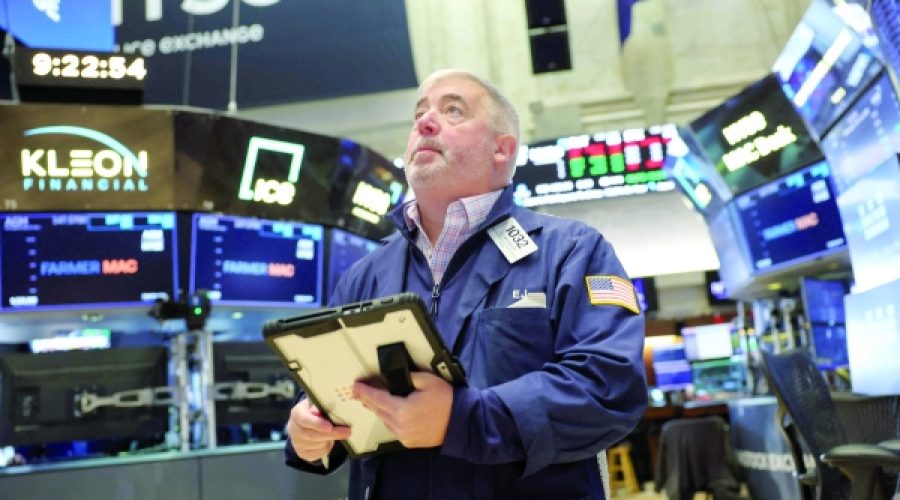
بازارهای سهام اروپا پس از ضررهای قابل توجه در روز پنجشنبه، حوالی ظهر جمعه با کاهش مواجه شدند. وال استریت با وجود افزایش اخیر، روز پنجشنبه با کاهش بسته شد و بازارهای آسیا هفته را در محدوده منفی به پایان رساندند. دلار آمریکا روز جمعه در برابر ارزهای اصلی تقویت شد.
اختلالات در تأمین انرژی ادامه یافت و کویت از آتشسوزی در پالایشگاه مینا الاحمدی خود خبر داد که تنها یک روز پس از حمله مستقیم به تأسیسات حیاتی راس لفان قطر رخ داد.
قیمت نفت خام برنت روز پنجشنبه پس از آنکه تهران با هدف قرار دادن چندین سایت انرژی در خلیج فارس، حمله اسرائیل به میدان پارس جنوبی خود را تلافی کرد، به ۱TP4T119 در هر بشکه افزایش یافت. با ادامه درگیری، بازارها همچنان نسبت به نگرانیهای جهانی در مورد عرضه انرژی حساس هستند، زیرا قیمت نفت در بحبوحه بسته شدن عملی تنگه استراتژیک هرمز، نزدیک به ۱TP4T100 در هر بشکه در نوسان است.
بانک مرکزی اروپا (ECB) روز پنجشنبه هشدار داد که شوک انرژی فعلی ناشی از جنگ، تورم را به شدت افزایش داده و بر رشد منطقه یورو تأثیر منفی خواهد گذاشت. با توجه به این نگرانیهای اقتصادی، بانک مرکزی اروپا، بانک انگلستان، فدرال رزرو ایالات متحده و بانک ژاپن همگی تصمیم گرفتند نرخ بهره را در این هفته ثابت نگه دارند.
به دنبال هشدار بانک مرکزی انگلستان در مورد خطرات تورم، بازده اوراق قرضه دولتی 10 ساله بریتانیا به بالاترین سطح خود از زمان بحران مالی 2008 رسید.
در همین حال، بانک مرکزی روسیه نرخ بهره کلیدی خود را از 15.5% به 15% کاهش داد تا از اقتصاد رو به کندی در بحبوحه درگیریهای مداوم در اوکراین و تحریمهای غرب حمایت کند. با این حال، افزایش قیمت نفت مرتبط با درگیریهای خاورمیانه تا حدودی موقعیت اقتصادی روسیه را تقویت کرده است.
اختلال در حمل و نقل دریایی از طریق تنگه هرمز - مجرای حیاتی برای یک پنجم از محمولههای نفت و گاز طبیعی مایع (LNG) جهان - همچنان عامل اصلی افزایش قیمت انرژی است.
خلاصه بازار:
– نفت خام برنت دریای شمال: با افزایش 0.5% به $109.20 در هر بشکه رسید
– وست تگزاس اینترمدیت: با کاهش 0.1%، به $95.38 در هر بشکه رسید
– شاخص FTSE 100 لندن: با 0.11 واحد کاهش به 10,055.35 واحد رسید
شاخص CAC 40 پاریس: با 0.11 واحد کاهش به 7801.39 واحد رسید.
– شاخص فرانکفورت دکس: با ۰.۳۱ واحد کاهش به ۲۲,۷۷۱.۳۳ واحد رسید.
شاخص هانگ سنگ هنگ کنگ: با کاهش 0.91 واحدی به 25,277.32 واحد رسید (بسته شد)
– شاخص ترکیبی شانگهای: با ۱.۲۱ واحد کاهش به ۳,۹۵۷.۰۵ واحد رسید (بسته شد)
– شاخص نیکی ۲۲۵ توکیو: به دلیل تعطیلات بسته است
— خبرگزاری فرانسه
تحلیل ویژه از عمانت | بازار عمان را کشف کنید
تنشهای ژئوپلیتیکی مداوم و اختلالات در زیرساختهای انرژی خلیج فارس قیمت نفت را در حدود $100 در هر بشکه بالا نگه داشت, و این امر هم خطرات و هم فرصتهایی را برای اقتصاد وابسته به انرژی عمان ایجاد میکند. کسبوکارها باید خود را برای فشارهای احتمالی ناشی از تورم آماده کنند، اما میتوانند در بحبوحه محدودیتهای عرضه و نوسانات منطقهای، از اهمیت استراتژیک بخش انرژی عمان بهرهبرداری کنند. سرمایهگذاران و کارآفرینان هوشمند باید چابکی در بازارهای انرژی را در اولویت قرار دهند و تنوعبخشی را برای کاهش خطرات ناشی از نوسانات دینامیک انرژی جهانی در نظر بگیرند.