Rising Oil Prices Amid US-Iran Tensions: What Investors and Businesses in Oman Need to Know
Oil prices surged and Asian stock markets declined on Friday following U.S. military strikes on Iranian sites in response to Iranian fire on American warships in the Strait of Hormuz.
Despite the confrontation, President Donald Trump affirmed that the ceasefire remained in effect. However, he issued a stern warning to Iran, urging swift acceptance of the U.S. peace proposal. Trump cautioned that failure to do so could have severe repercussions, stating that Iran would become “one big glow.”
Oil prices rise sharply.
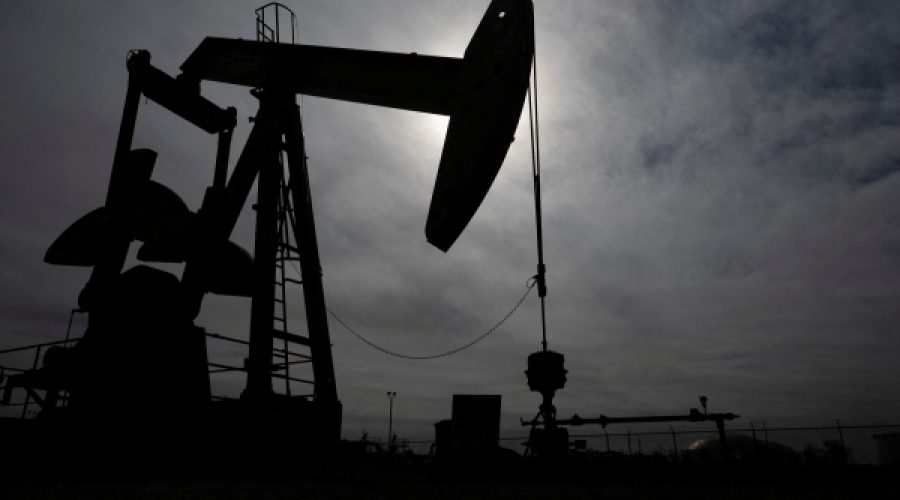
Brent crude, the global oil benchmark, increased by 2% to approximately $102 per barrel. Similarly, West Texas Intermediate (WTI), the U.S. benchmark, rose 2% to reach $96 per barrel.
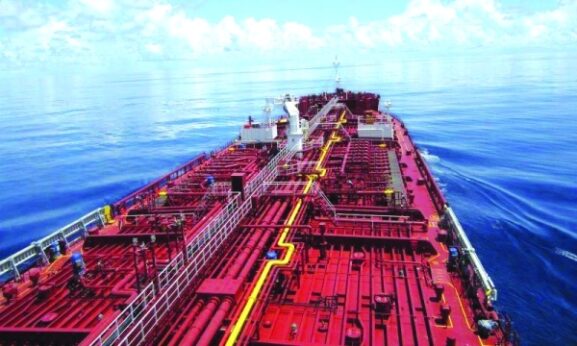
Market participants are closely monitoring disruptions in the Strait of Hormuz—a narrow but crucial shipping lane between Iran and Oman that handles about one-fifth of the world’s oil supply—due to its vital role in global energy trade.
Asian stock markets weaken.
Futures for the S&P 500 indicated a slight gain ahead of the U.S. market opening. In contrast, equity markets across Asia, which are highly dependent on imported oil and gas, suffered declines. Hong Kong’s Hang Seng Index dropped by 1%, while markets in Japan, South Korea, and mainland China also fell.
This report is based on an original article from نیویورک تایمز.
Markets worldwide had experienced strong gains this week amid growing optimism that the 10-week conflict—responsible for surging oil prices—might soon conclude. However, that optimistic sentiment waned Thursday after U.S. forces launched attacks on Iranian military targets in retaliation for an assault on three American destroyers in the Strait, threatening the fragile month-old ceasefire.
In response, Iran’s central military command accused the U.S. of violating the ceasefire by attacking an oil tanker and another vessel.
Following these clashes, President Trump posted on Truth Social: "We’ll knock them out a lot harder, and a lot more violently, in the future, if they don’t get their Deal signed, FAST!" Yet, when asked in Washington whether the ceasefire still stood, he replied, “Yeah, it is. They trifled with us today. We blew them away.”
The incident occurred just one day after Trump suggested a peace agreement might be near, while Tehran was reportedly reviewing a one-page U.S. proposal aimed at ending the conflict and reopening the Strait of Hormuz, through which about 20% of the world’s oil and gas typically flows.
علاوه بر این، The Wall Street Journal reported that the White House is considering reinstating an operation to escort commercial vessels through the Strait of Hormuz—a program Trump suspended after only one day earlier this week.
تحلیل ویژه از عمانت | بازار عمان را کشف کنید
The recent US-Iran military clash near the Strait of Hormuz, a critical oil shipping route adjacent to Oman, has pushed oil prices higher, signaling increased volatility and potential supply disruptions. For businesses in Oman, this underscores the strategic importance of energy security and supply chain resilience. Smart investors and entrepreneurs should monitor geopolitical developments closely, as escalating tensions could create both risk of market instability and opportunities in energy logistics and alternative trade routes.