رونق اقتصادی عید: چگونه فصل جشن، فرصتهای تجاری را در عمان تقویت میکند
قلب عید: شیرینی خرمایی و اهمیت آن در خانههای عمانی
در عمان، فرارسیدن عید اغلب نه با تقویم، بلکه با عطر دلانگیز شیرینیهای شیرینی که از تنور بیرون میآیند، اعلام میشود. برای زهوا الرحبی، شیرینیپز هتل کمپینسکی مسقط، این عطر بیشک نشاندهندهی... مامول.
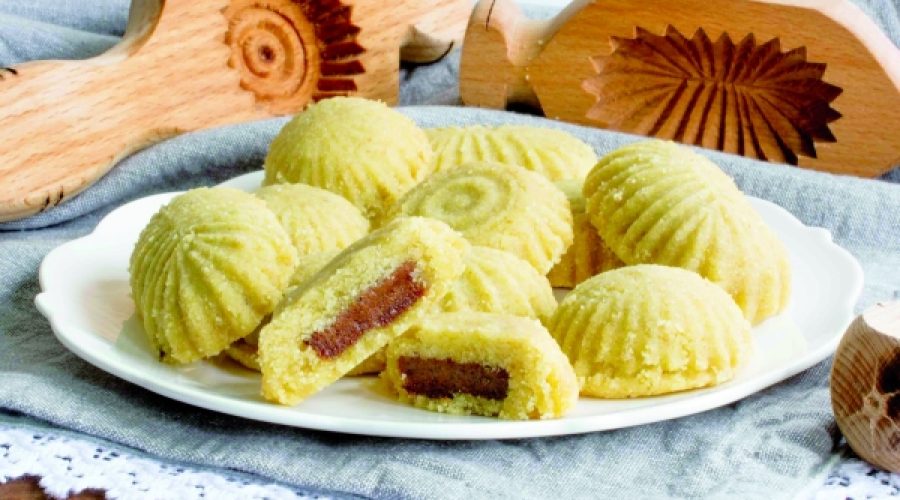
“زاهوا با اشاره به شیرینیهای ظریف و طلایی که به طور سنتی با خرما یا آجیل پر میشوند، توضیح میدهد: ”برای من شخصاً، عید بدون مامول ناقص است.» او تأکید میکند که مامول چیزی بیش از یک دسر ساده است؛ این شیرینی مظهر یک آیین گرامی و نماد گرمای دورهمیهای خانوادگی است. عطر آن در خانهها نفوذ میکند و حس مشترکی از انتظار را در بین عزیزان ایجاد میکند.
زاهوا ارتباط عمیقی با این خوراکی دارد. هر بسته شیرینی خرمایی خاطرات کودکیاش را برایش زنده میکند، جایی که با خانوادهاش دور هم جمع میشدیم تا خمیر را آماده کنیم و مشتاقانه منتظر بیرون آمدن اولین بسته از تنور باشیم. او میگوید: “آن لحظات، خرمایی را مثل خود عید میکرد.”
زاهوا که اکنون به عنوان یک شیرینیپز حرفهای شناخته میشود، به طرز هنرمندانهای سنت را با نوآوری در هم میآمیزد. او در حالی که به دستور پخت کلاسیک وفادار میماند، گاهی اوقات از عناصر مدرن مانند ارائه ظریف و طعمهای ظریف نیز استفاده میکند. با این حال، او قاطعانه معتقد است که اصالت باید در اولویت قرار گیرد.
تغییر و نوآوری خاص او از ترکیب مواد اولیه محلی عمانی ناشی میشود. هل، زعفران و گلاب عطر را تقویت میکنند، در حالی که استفاده از خرمای محلی، مواد داخل دسر را غنیتر میکند و آن را با هویت فرهنگی منحصر به فرد عمانی پیوند میدهد.
در هر لقمه از شیرینی خرمایی او، روایتی غنی از میراث، خانواده و شیرینی ماندگار عید نهفته است.
کارت دستور غذا: شیرینی خرمایی سنتی با طعم عمانی
زمان آماده سازی: ۳۰ دقیقه
زمان پخت: ۱۵ تا ۲۰ دقیقه
کل زمان: تقریباً ۵۰ دقیقه
مواد لازم:
- ۲ پیمانه آرد
- ۱ پیمانه کره یا روغن حیوانی
- ۲ قاشق غذاخوری شکر
- ½ فنجان شیر
- ۱ قاشق چایخوری پودر هل
- کمی زعفران (اختیاری)
- ۱ قاشق چایخوری گلاب
پر کردن:
- ۱ پیمانه خرمای عمانی له شده یا مخلوط آجیل
دستورالعملها:
- در یک کاسه، آرد، کره یا روغن حیوانی و شکر را با هم مخلوط کنید تا مخلوط به شکل خرده نان درآید.
- شیر، هل، زعفران و گلاب را کم کم اضافه کنید تا خمیر نرمی به دست آید.
- تکههای کوچکی از خمیر را بردارید و آنها را پهن کنید.
- با خرما یا آجیل مواد میانی را اضافه کنید، سپس شیرینیها را با استفاده از قالب مامول یا با دست شکل دهید.
- روی سینی فر بچینید و به مدت ۱۵ تا ۲۰ دقیقه یا تا زمانی که طلایی رنگ شود، در دمای ۱۸۰ درجه سانتیگراد بپزید.
- قبل از سرو، اجازه دهید خنک شود و با پودر قند تزیین کنید.
نکته سرآشپز: برای طعم عمانی برجستهتر، خرمای محلی باکیفیت و کمی زعفران را انتخاب کنید.
تحلیل ویژه از عمانت | بازار عمان را کشف کنید
جشن عید با شیرینیهای سنتی مانند مامول فرصتی بینظیر برای کسبوکارها در عمان فراهم میکند تا از میراث فرهنگی بهرهبرداری کنند و محصولاتی را تبلیغ کنند که با سنتهای محلی همخوانی دارند. سرمایهگذاران و کارآفرینان باید افزایش تقاضا برای کالاهای معتبر و با منشأ محلی را در نظر بگیرند., به ویژه در بخش آشپزی، ضمن ایجاد تعادل بین نوآوری و سنت. این روند نه تنها مشارکت جامعه را تقویت میکند، بلکه راههایی را برای شیوههای پایدار میگشاید که با ترجیح رو به رشد مصرفکنندگان برای اصالت و هویت محلی همخوانی دارد.