
Muscat Airport Free Zone Operations Launched: Key Opportunities for Investors and Businesses in Oman
ASYAD Group Announces Operational Readiness of Muscat Airport Free Zone
ASYAD Group has officially declared the Muscat Airport Free Zone operational, aiming to attract international companies and stimulate promising economic projects. This initiative seeks to create opportunities for cooperation and partnerships with the private sector while integrating ASYAD’s logistics solutions to enhance the Sultanate of Oman’s connectivity to global markets.
In a significant step forward, ASYAD signed its initial usufruct contract with Nama Real Estate Company to develop, manage, and operate a 25,000 square meter business park within the free zone, marking the commencement of investments and projects in an environment intricately linked to ASYAD’s comprehensive global logistics services. These services encompass free zones, economic cities, ports, and both maritime and land transport networks, offering investors an integrated operational framework that improves supply chain efficiency.
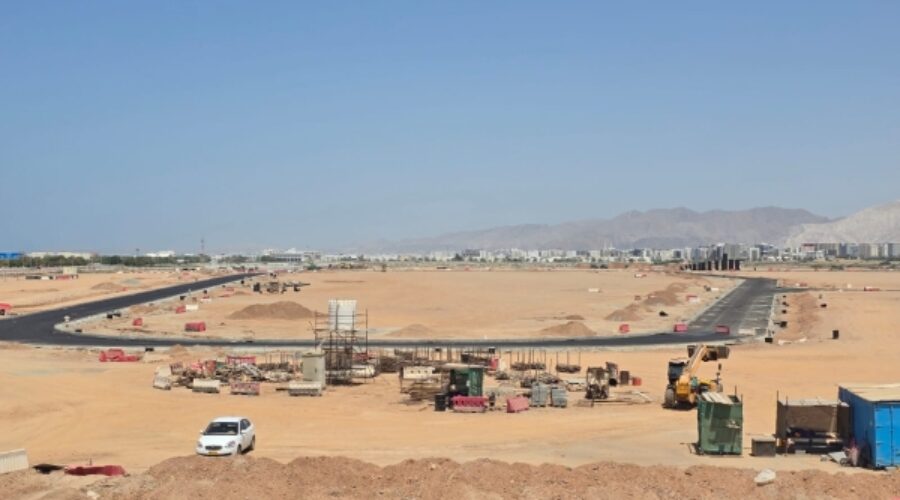
The venture aims to create a modern business park equipped with smart offices and integrated workspaces, tailored to the requirements of regional and international firms. This development comes after the completion of the first phase of the Muscat Airport Free Zone, which spans 400,000 square meters. It features essential infrastructure, including internal road networks, water, electricity, and telecommunications facilities, along with a service building designed to streamline procedures for investors.
Notably, the first phase is defined by its seamless access to the main road network and its strategic location adjacent to Muscat International Airport, enhancing operational efficiency and expediting connectivity to both regional and global markets.
Faisal bin Ali al Balushi, Senior Executive Director of the Muscat Airport Free Zone at ASYAD Group, remarked, “Partnering with the private sector is a key pillar in building a world-class logistics and investment ecosystem in the Sultanate of Oman.”
Hilal bin Abdullah Al Hawqani, Chairman of Nama Real Estate Company, added that his team will leverage their real estate development expertise to establish and operate a business park of international standards. The focus will be on creating flexible and sustainable work environments that foster the growth of businesses and investment projects of all sizes, thus enhancing the quality of real estate assets within the free zone’s commercial sector.
This project is a component of the Muscat Airport Free Zone’s strategy to reinforce its status as a comprehensive regional hub for business and logistics services. It aims to provide a modern investment landscape paired with competitive incentives, including full foreign ownership, customs and tax exemptions, and a streamlined process to facilitate procedures. The zone is actively cultivating an integrated business ecosystem catering to e-commerce, logistics, pharmaceuticals, precious metals, and aviation-related services, taking full advantage of its strategic proximity to Muscat International Airport.
Investors can take advantage of an exceptional incentive package that includes 100 percent foreign ownership, import and export duty exemptions, tax benefits, and a one-stop system for completing all necessary procedures and licenses, making the region primed for attracting high-quality investments and fostering an integrated business environment conducive to company growth and expansion.
Special Analysis by Omanet | Navigate Oman’s Market
The operational readiness of the Muscat Airport Free Zone presents a significant opportunity for businesses in Oman, fostering a modern investment environment tailored to attract international companies. This initiative not only enhances the logistics connectivity of Oman but also reduces barriers for investors through incentives like 100% foreign ownership and customs exemptions, making it an opportune moment for smart investors and entrepreneurs to explore partnerships in the region. However, stakeholders must also navigate potential risks related to global economic fluctuations that could impact foreign investment and supply chain stability.

