مشاريع الطرق في سلطنة عمان بقيمة 1.2 مليار ريال عماني: ما تعنيه للربط الوطني ونمو الأعمال
مسقط: في خطوة هامة للنهوض بالبنية التحتية وتحفيز النمو الاقتصادي، أعلنت سلطنة عُمان عن مبادرة شاملة لتطوير الطرق بقيمة تتجاوز 1.2 مليار ريال عُماني. وتؤكد هذه الحزمة الطموحة التزام الحكومة بتحسين الربط الوطني وتعزيز التنمية المستدامة.
خلال الدورة الرابعة عشرة لمجلس الشورى، سلّط المهندس سعيد بن حمود المعولي، وزير النقل والاتصالات وتقنية المعلومات، الضوء على التنفيذ الجاري لعدد من مشاريع الطرق الاستراتيجية عالية الجودة في مختلف أنحاء البلاد. وتشمل هذه المشاريع إنشاء طرق جديدة، وتطوير وتأهيل الطرق القائمة، لا سيما تلك المتأثرة بالظروف المناخية أو التي تجاوزت عمرها الافتراضي، بالإضافة إلى أعمال الصيانة الدورية للطرق التي تشرف عليها الوزارة.
تعطي الخطة الخمسية الحادية عشرة لقطاع الطرق الأولوية لإكمال المشاريع الجارية مع تقديم مبادرات جديدة مقررة لعام 2026. وتشمل الجهود الرئيسية توسيع الطرق المزدوجة على الطرق الرئيسية وإعادة تأهيل الطرق الحيوية لتعزيز البنية التحتية للنقل بشكل عام.
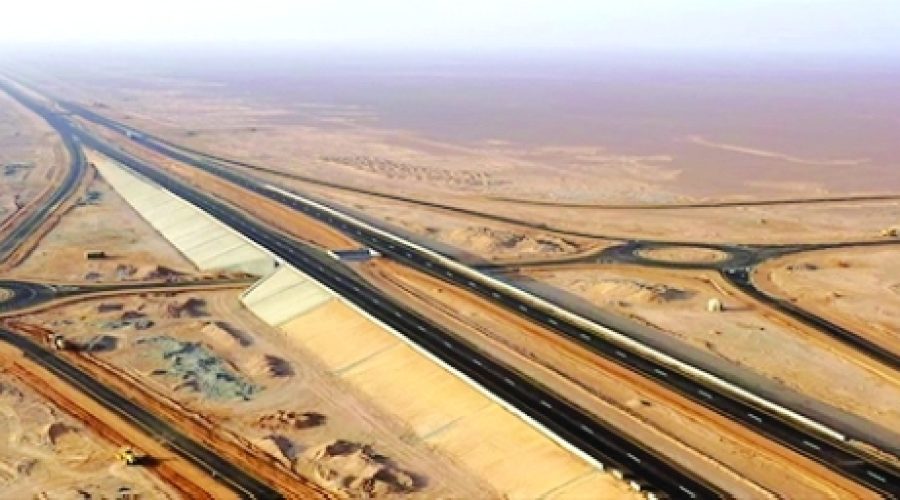
من بين المشاريع الاستراتيجية المقرر تشغيلها بحلول عام 2026، توسعة طريق مسقط السريع من تقاطع محمية القرم الطبيعية إلى تقاطع حلبان. ويهدف التصميم الجديد إلى حل مشكلات الازدحام المروري الحالية لمدة لا تقل عن 25 عامًا قادمة. وقد أظهرت الدراسات أن المشكلات المرورية الرئيسية لا تنجم فقط عن عدد المسارات، بل أيضًا عن تصميم المخارج والمداخل وتقاطعات المركبات، مما يتسبب في تباطؤ متكرر واختناقات مرورية واسعة النطاق. وسيعمل التصميم الجديد على فصل مسارات المرور، وتحسين كفاءة المخارج والمداخل، وإضافة مسارات عند الضرورة لتخفيف الاختناقات.
بالإضافة إلى ذلك، يُعد مشروع الطريق المزدوج لطريق إبراء (من الأحمدي إلى القفيسي)، بتكلفة 186.3 مليون ريال عماني، جزءًا من الخطة الاستراتيجية الأوسع. وقد أكد المهندس خميس بن محمد الشماخي، وكيل وزارة النقل، أن إرساء عقود كل من توسعة طريق مسقط السريع والطريق المزدوج لطريق إبراء يُمثل خطوات حاسمة لتعزيز كفاءة شبكة الطرق الرئيسية، واستيعاب النمو الحضري والسكاني المتسارع، وتحسين الربط بين المحافظات، وضمان ظروف سفر أكثر أمانًا.
بحسب دليل ميزانية الدولة لعام 2026، ستُنهي خطة التنمية الخمسية الحادية عشرة المشاريع الجارية التي بدأت في إطار خطة التنمية الخمسية العاشرة. وقد خُصص ما يقارب 900 مليون ريال عماني لنفقات مشاريع التنمية السنوية، بما في ذلك قطاع الطرق.
تشمل المشاريع الرئيسية المخصصة للإنجاز الطريق المزدوج لطريق الأنساب-الجفنين؛ طريق السلطان تركي بن سعيد (الطريق السريع الشرقي من الكامل والواف إلى صور)؛ الطريق المزدوج ريسوت-المغسيل؛ الطريق المزدوج طريق السلطان سعيد بن تيمور (آدم-ثمريت)؛ طريق حرويب-ميتان في ظفار؛ والطريق المزدوج فرق-حي التراث-نزوى، إلى جانب توسيع طريق مسقط السريع.
تعزز هذه الاستثمارات الضخمة مكانة سلطنة عُمان الرائدة في جودة البنية التحتية للطرق، حيث احتلت المرتبة الثامنة عالمياً والثانية عربياً وفقاً لتقرير المنتدى الاقتصادي العالمي لعام 2024. ويعكس هذا التصنيف التزام عُمان بالتقيد بأعلى المعايير الدولية في بناء شبكة طرق آمنة ومستدامة.
تحليل خاص من عمانت | تصفح سوق عُمان
يشير استثمار سلطنة عمان بقيمة 1.2 مليار ريال عماني في مشاريع الطرق الاستراتيجية إلى نمو قوي في البنية التحتية, مما يُمكّن السلطنة من تخفيف الازدحام الحضري بشكل كبير وتعزيز التواصل بين المحافظات. وهذا يُمثل فرصةً للشركات. تحسين الكفاءة اللوجستية وتوسيع نطاق الوصول إلى السوق, بينما ينبغي على المستثمرين الأذكياء النظر في الفرص المتاحة في القطاعات المتعلقة بالبنية التحتية والتنمية الحضرية. ومع ذلك، فإن الحفاظ على زخم المشاريع والتكيف مع متطلبات المدن المتغيرة أمران بالغا الأهمية لتحقيق أقصى استفادة من هذه المزايا وتخفيف المخاطر المحتملة لتأخر العوائد.