دراسة جدوى مركز احتجاز الكربون واستخدامه وتخزينه في شمال عُمان من قِبل شركة OQGN: ما يعنيه ذلك للاستثمار ونمو الأعمال في المنطقة
مسقط، 12 مارس - تعمل شركة OQ Gas Networks (OQGN)، المالك والمشغل الوحيد لنظام نقل الغاز الطبيعي في سلطنة عمان، على تطوير دراسة الجدوى الخاصة بها لتطوير نظام بيئي لاحتجاز الكربون واستخدامه وتخزينه (CCUS) في المراكز الصناعية في شمال شرق سلطنة عمان.
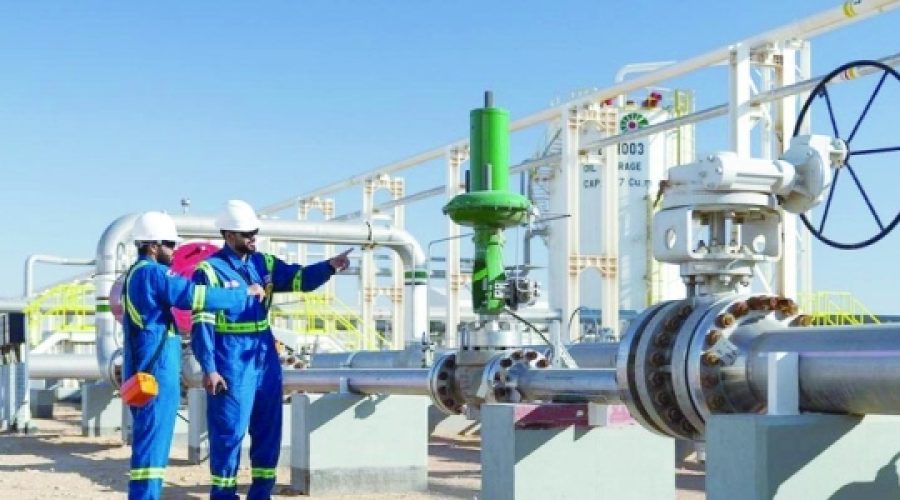
وتُعد هذه المبادرة جزءًا من ثلاثة مراكز استراتيجية لاحتجاز الكربون واستخدامه وتخزينه، والتي تم تحديدها في استراتيجية عُمان للوصول إلى صافي انبعاثات صفرية، والتي تتضمن خطة لالتقاط ونقل انبعاثات ثاني أكسيد الكربون من مصادر مختلفة إلى مواقع تخزين أو استخدام محددة عبر شبكة أنابيب مخصصة يبلغ طولها حوالي 800 كيلومتر.
“صرح مسؤول في شركة OQGN خلال مكالمة جماعية مع المستثمرين في 11 مارس 2026: "نحرز تقدماً كبيراً على صعيد ثاني أكسيد الكربون". وأشار المسؤول إلى أن دراسة الجدوى الخاصة بنظام احتجاز الكربون واستخدامه وتخزينه في الشمال قد وصلت إلى مراحل متقدمة، ومن المتوقع اتخاذ قرار بحلول نهاية العام بشأن قرار الاستثمار النهائي، والمعالم القادمة، والتأثيرات المحتملة على ربحية شركة OQGN.
وشملت المناقشة الرئيس التنفيذي لشركة OQGN، منصور بن علي العبدلي؛ والقائم بأعمال المدير المالي، سلطان البلوشي؛ ورئيس قسم تطوير الأعمال والتجارة، سيف الحسني؛ وغيرهم من كبار المسؤولين.
يتضمن إطار إدارة الكربون على مستوى البلاد الذي كشفت عنه منظمة OQGN في ديسمبر الماضي ثلاثة أنظمة بيئية متميزة لاحتجاز الكربون واستخدامه وتخزينه:
-
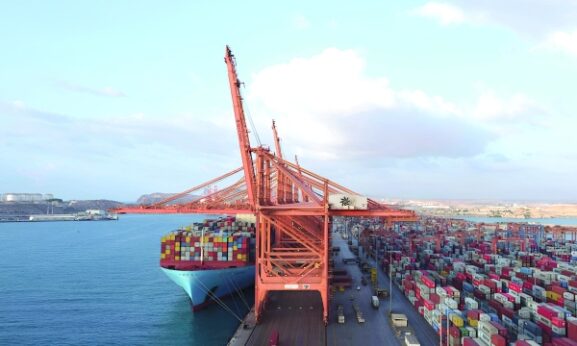
ال النظام البيئي الشمالي لاحتجاز الكربون واستخدامه وتخزينه يهدف المشروع إلى خفض انبعاثات الكربون في منطقة صحار الصناعية - أكبر تجمع لانبعاثات الكربون في سلطنة عمان - ومدينة عبري المجاورة. ويتضمن ذلك تأمين إمدادات ثابتة من ثاني أكسيد الكربون ونقله عبر خط أنابيب يبلغ طوله حوالي 300 كيلومتر إلى مواقع التخزين أو الاستخدام.
-
ال النظام البيئي المركزي لاحتجاز الكربون واستخدامه وتخزينه سيخدم خط الأنابيب مصادر الانبعاثات في الدقم، مع إمكانية التخزين في أكبر امتياز نفطي في سلطنة عمان، وهو القطاع 6. ومن المتوقع أن يمتد خط الأنابيب لمسافة 200 كيلومتر تقريبًا.
-
ال النظام البيئي الجنوبي لاحتجاز الكربون واستخدامه وتخزينه يستهدف المشروع منطقة صلالة الصناعية، حيث يتم توجيه ثاني أكسيد الكربون إلى مواقع التخزين الجنوبية في القطاع 6 ضمن امتياز شركة تنمية نفط عُمان عبر خط أنابيب يُقدّر طوله بنحو 300 كيلومتر. وتشير الدراسات إلى أن توجيه ثاني أكسيد الكربون المُحتجز إلى مصارف محلية يُعدّ أكثر فعالية من حيث التكلفة بالنسبة للمركز الصناعي في صور.
أفاد مسؤولون في شركة OQGN بأن دعوات السوق للمشاركة في بنية احتجاز الكربون واستخدامه وتخزينه قد لاقت استجابة، إلا أن الجهود الحالية تتركز على النظام البيئي الشمالي نظراً للطلب الواضح عليه. أما الفرص المتاحة في النظامين البيئيين الأوسط والجنوبي فلا تزال قيد التطوير.
علاوة على ذلك، تحث الحكومة ومركز عمان للصفر الصافي من انبعاثات ثاني أكسيد الكربون الجهات المسببة لانبعاثات ثاني أكسيد الكربون على استكشاف طرق الحد من الكربون، إلى جانب النظر في التدابير التنظيمية مثل الحوافز والضرائب.
لا تزال شركة OQGN تحرص على الحصول على تفويضات حكومية لتطوير البنية التحتية للطاقة الناشئة، وهو ما يمثل أولوية قصوى لها. وقد عُيّنت الشركة الشركة الرائدة على المستوى الوطني في مجال نقل الهيدروجين الأخضر وثاني أكسيد الكربون. ورغم تباطؤ نمو قطاع الهيدروجين الأخضر نتيجةً لظروف السوق، أكدت OQGN التزامها بقيادة التطوير كلما سنحت الفرص.
تحليل خاص من عمانت | تصفح سوق عُمان
تشير دراسة الجدوى المتقدمة التي أجرتها شركة OQ Gas Networks حول النظام البيئي لاحتجاز الكربون واستخدامه وتخزينه في الشمال إلى قفزة استراتيجية نحو تحقيق طموحات عُمان في الوصول إلى صافي انبعاثات صفرية, ، مما يوفر للشركات في منطقة صحار الصناعية وما وراءها فرصة محورية للتوافق مع لوائح إدارة الكربون الناشئة. ينبغي على المستثمرين الأذكياء مراقبة مراكز احتجاز الكربون واستخدامه وتخزينه المتطورة عن كثب, لا سيما في الشمال، إذ يمكن للمشاركة المبكرة أن تُعزز الاستفادة من تطوير البنية التحتية والحوافز الحكومية المحتملة، مع الحد من المخاطر التنظيمية المتعلقة بالمناخ. كما تُبرز هذه المبادرة تركيز عُمان المتزايد على دمج تقنيات منخفضة الكربون، مما يُرسخ مكانة البلاد كسوق طاقة رائدة.