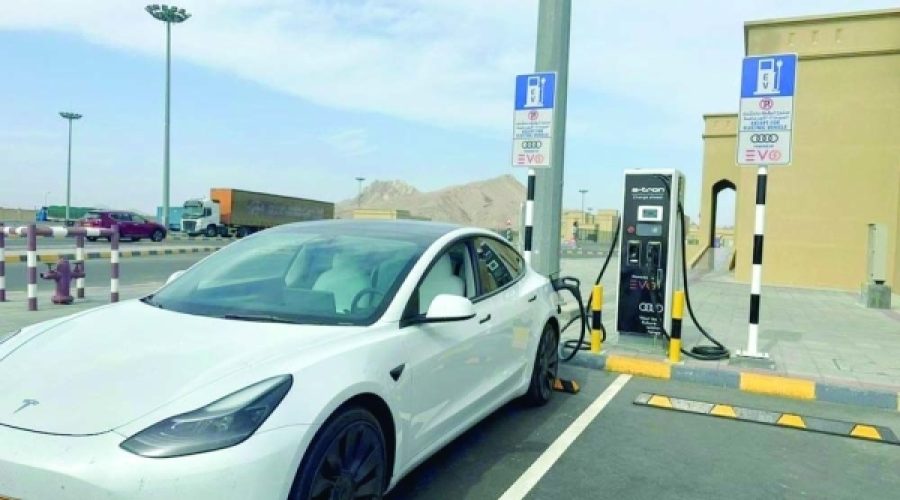
Electric Vehicle Adoption in Oman: Practical Benefits and Economic Opportunities for Investors and Entrepreneurs
MUSCAT, APRIL 14 – The Sultanate of Oman is experiencing a significant surge in the adoption of electric vehicles (EVs), driven by the global shift towards clean transportation and the economic and environmental benefits it offers. This momentum is supported by a comprehensive national strategy spearheaded by the Ministry of Transport, Communications and Information Technology, which aims to establish EVs as a practical and cost-effective option for the public.
Data from the National Centre for Statistics and Information reveals that, as of November 18, 2025, the number of registered electric vehicles in Oman reached approximately 2,182. This figure represents a remarkable 138% increase from 428 EVs recorded during the same period in 2024, underscoring the accelerating transition to sustainable transport.
Electric vehicles offer numerous advantages, including lower operating costs, as electricity costs per kilowatt-hour are less than the fuel costs per kilometre of conventional vehicles. Additionally, EVs contribute to improved urban air quality by reducing emissions, lower noise pollution, and feature reduced maintenance requirements due to fewer moving parts. Drivers also benefit from a smoother experience, thanks to immediate acceleration and the vehicles’ quiet operation.
Oman’s multi-service industrial cities play an essential role in supporting this shift. They provide integrated platforms featuring car showrooms, equipped maintenance workshops, financing and insurance services, as well as infrastructure accommodating electric charging stations—turning the concept of EV adoption into everyday reality.
Addressing operational challenges and raising awareness, Mohammed bin Sulaiman Al Badi, car inspector and programmer, highlighted that the cost of electric chargers has become affordable, and users can install home chargers without significant energy consumption. He also confirmed the availability of chargers along roads while urging users not to occupy charging stations for extended periods to ensure equitable access.
The Ministry is advancing a comprehensive strategy to accelerate EV adoption, which includes expanding the charging network, offering consumer incentives, developing a unified digital platform, and enforcing technical and traffic safety standards. These efforts align with Oman Vision 2040’s goals, focusing on environmental sustainability and integrated infrastructure. A pivotal component is the Zero Neutrality programme for the transport sector, targeting gradual carbon emissions reduction to achieve full neutrality by 2050.
The strategy aims to increase the share of new electric vehicles to 25% by 2030, 66% by 2040, and reach 100% by 2050. This will be achieved by supporting infrastructure investment, promoting alternative fuels such as hydrogen and biofuels, and enhancing local manufacturing in collaboration with the private sector.
Further strengthening Oman’s global role, promising industrial investments are underway in the battery sector. Plans have been announced for the first advanced battery materials project dedicated to electric vehicles and energy storage, located in the Salalah Free Zone, Dhofar Governorate. The initial investment is estimated at approximately $216 million, marking a strategic move towards localizing clean energy industries and enhancing the Sultanate’s position in global value chains.
Special Analysis by Omanet | Navigate Oman’s Market
Oman’s rapid EV adoption, with a 138% rise in registered electric vehicles, signals significant growth opportunities for businesses in clean transportation and related industries. The government’s strategic focus on infrastructure, incentives, and local manufacturing—highlighted by a $216 million advanced battery project—positions Oman as a regional hub for sustainable mobility and green energy investment. Smart investors and entrepreneurs should prioritize innovations in EV technology, charging infrastructure, and alternative fuels to leverage Oman Vision 2040’s sustainability goals and expanding market demands.