Omani Frankincense Gains Global Geographical Indication Status: What This Means for Your Business and Investment Opportunities in Oman
MUSCAT: The Sultanate of Oman has achieved a significant international milestone by securing geographical indication (GI) status for its renowned frankincense through registration with the World Intellectual Property Organization (WIPO). This marks the first such recognition for the Gulf region.
The GI certification confirms the authenticity of Omani frankincense and provides robust legal protection under the Geneva Act of the Lisbon Agreement, linking the product to its unique geographic origin and rich cultural heritage.
Nasra bint Sultan al Habsi, Director General of Trade at the Ministry of Commerce, Industry and Investment Promotion, described this achievement as a strategic milestone that enhances the global market value of Omani frankincense. She emphasized that the registration represents the culmination of sustained national efforts to safeguard the frankincense and to competitively position it in international markets by highlighting its distinct environmental and cultural qualities.
The Lisbon System, she explained, offers a unified legal framework for recognizing and protecting products associated with specific origins. This framework extends protection beyond Oman’s borders while allowing flexibility in its application. For Oman, joining the agreement provides a structured approach to safeguarding heritage-based products with unique characteristics.
Engineer Khalid bin Hamoud al Hinai, Director of the National Intellectual Property Office, affirmed that the GI registration elevates Omani frankincense within the global intellectual property system and strengthens its legal position among contracting parties. He noted that the designation enhances consumer confidence, improves the competitiveness of Omani products, and allows businesses to leverage the product’s established reputation.
He further highlighted that GI status promotes sustainable production methods and supports long-term resource management, ensuring continued economic benefits. The designation also lays the foundation for developing a unified national brand for frankincense, creating opportunities across various sectors such as perfumery, cosmetics, health products, and heritage goods.
Officials emphasized that geographical indications go beyond legal protection against imitation—they serve as powerful economic tools that empower producers, stimulate local economies, and diversify sources of income. The Ministry is actively working to extend GI protection to additional Omani products, including foodstuffs and handicrafts, to strengthen the country’s national value chains.
Badriya bint Khalfan al Rahbi, Head of the Trademarks and Geographical Indications Department, explained that a GI identifies products whose qualities and reputation are intrinsically linked to their place of origin, thereby ensuring authenticity and safeguarding consumer trust. Unlike trademarks, which are specific to companies, geographical indications are tied to a defined region and shared production standards.
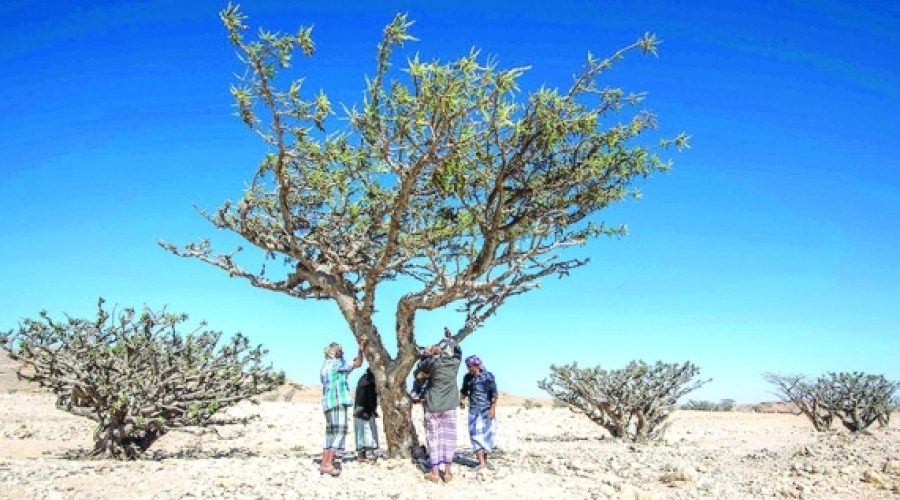
She also highlighted the tourism potential of frankincense-associated sites such as Wadi Dawkah, noting that organized visits could showcase traditional production methods, support local communities, and promote Oman’s cultural heritage on the international stage.
This landmark registration firmly establishes Omani frankincense as both a protected cultural treasure and a valuable commercial product, enhancing Oman’s position in the global intellectual property arena while promoting sustainable economic growth. — ONA
Special Analysis by Omanet | Navigate Oman’s Market
Oman’s international registration of frankincense as a geographical indication (GI) is a game-changer for businesses, creating a unique competitive edge by safeguarding authenticity and boosting global market confidence. This opens diversification opportunities in sectors like perfumery, cosmetics, and tourism, while smart investors should now consider leveraging Oman’s rich cultural heritage for sustainable product innovation and branding. The move also signals a strategic shift toward value-added exports that can stimulate local economies and enhance long-term resource management.