Aluminium Recycling Push Gains Momentum in Oman: What Investors and Entrepreneurs Need to Know
MUSCAT: The third Aluminium Scrap Recycling Symposium has emphasized the urgent need to accelerate the development of an integrated recycling ecosystem, highlighting its crucial role in advancing Oman’s circular economy goals.
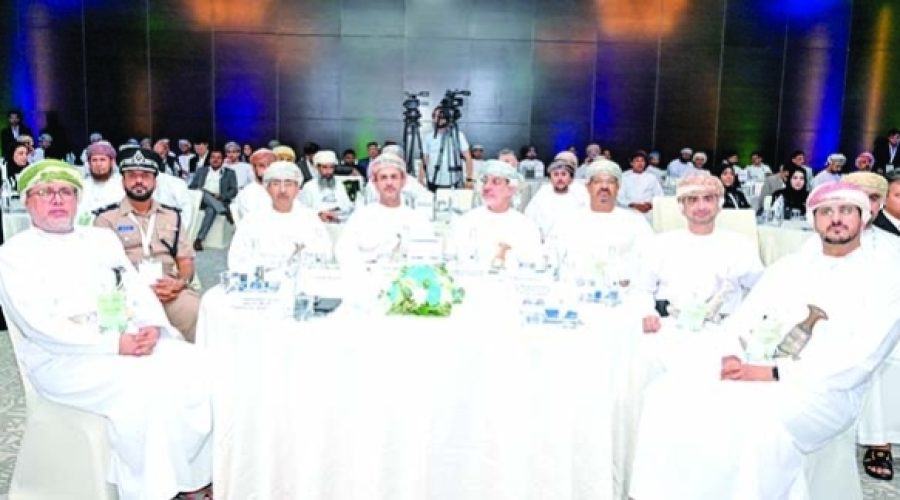
Organized by Sohar Aluminium in collaboration with the Environment Authority, the symposium convened policymakers, industry leaders, and technical experts to explore strategies for enhancing aluminium recycling throughout the value chain.
Held under the patronage of Dr. Abdullah bin Ali Al Amri, Chairman of the Environment Authority, the event stressed the importance of coordinated efforts to improve the collection, processing, and reuse of aluminium scrap.
Engineer Said bin Mohammed Al Masoudi, CEO of Sohar Aluminium, reported encouraging progress, with the company having recycled over 8,000 tonnes of aluminium scrap to date. He noted that these efforts have significantly boosted both economic efficiency and environmental performance.
Al Masoudi highlighted that building a resilient recycling ecosystem requires collective participation rather than isolated initiatives. He emphasized that a successful system must integrate all stages—from collection and logistics to advanced processing and manufacturing—underpinned by strong collaboration among stakeholders.
He also urged for more transparent discussions around industry challenges and solutions, stressing the need to maximize the value of national resources through partnerships involving regulators, service providers, and end users.
The symposium featured insights from regional and local experts, focusing on aligning international best practices with Oman’s national priorities. Key topics included regulatory frameworks, technological innovation, and cross-sector cooperation as drivers for a more efficient and sustainable recycling sector.
Working papers presented at the event examined global and regional trends in aluminium scrap recycling, emphasizing the importance of retaining scrap within domestic markets to capture greater economic value. Discussions also covered quality standards, safety protocols, and technical capabilities essential for industry growth.
Participants explored the sector’s investment potential, highlighting opportunities for value creation and industrial diversification. The dialogue underscored the need to strengthen linkages between policy, industry, and supporting institutions to accelerate the recycling sector’s development.
A central theme was establishing a fully integrated recycling value chain in Oman, alongside addressing operational and regulatory obstacles that might impede expansion. Speakers noted that aluminium’s status as a high-value, energy-efficient recyclable material positions Oman well to become a regional hub for circular economy practices.
The symposium aligns with Oman’s sustainability agenda under Oman Vision 2040, where aluminium recycling is a key strategy for reducing environmental impact while fostering economic diversification.
Since early 2024, a series of workshops and initiatives led by Sohar Aluminium and its partners have achieved significant results. By the end of 2025, aluminium scrap recycling in Oman had surged by 288 percent compared to 2024 levels, bolstered by regulatory reforms introduced in March 2025.
These advancements mark growing national momentum to enhance resource efficiency and embed circular economy principles across vital industrial sectors. — ONA
Special Analysis by Omanet | Navigate Oman’s Market
The accelerating development of an integrated aluminium scrap recycling ecosystem positions Oman as a strategic hub for circular economy innovation, enhancing both environmental sustainability and economic diversification aligned with Oman Vision 2040. For businesses, this creates significant opportunities in recycling infrastructure, logistics, and advanced processing technologies, while investors should consider the sector’s potential for value creation through domestic retention of materials and cross-sector partnerships. Smart entrepreneurs must focus on collaborative engagement and technological adaptation to capitalize on regulatory improvements and growing national momentum in resource efficiency.