Jet Fuel Crisis: How European Airlines’ Optimism Could Affect Your Business Operations This Summer
European Airlines and Operators Remain Confident in Jet Fuel Supply Amid Ongoing Crisis
Despite facing one of the most significant crises in decades, European airlines, airports, and tour operators are expressing optimism regarding jet fuel availability. The ongoing conflict in the region has led to a spike in prices, nearly doubling them from pre-Iran war levels, primarily due to disruptions in oil transportation through the Strait of Hormuz.
Industry experts note that this confidence may be aimed at reassuring travelers ahead of the crucial summer season in the northern hemisphere, as well as protecting bookings during a pivotal period for revenues.
In contrast to this optimism, traders are voicing concerns. The Strait of Hormuz, through which approximately 20% of global oil supplies traverse, has become nearly inaccessible for shipping due to ongoing tensions between Iran and the U.S. The Gulf region supplies about a quarter of Europe’s jet fuel. Sebastian Ebel, CEO of TUI, Europe’s largest tour operator, stated, "There are always those who claim we’re running out of fuel. There’s absolutely no indication of that." He emphasized that fuel shortages are not expected for the upcoming weeks, although he acknowledged potential price impacts.
However, not everyone shares this positive outlook. The International Energy Agency warned that global oil supply may fall short of demand this year due to disruptions in Middle Eastern production. In certain regions, such as the Amsterdam-Rotterdam-Antwerp area, jet fuel inventories are reportedly nearing record lows.
Lufthansa CEO Carsten Spohr assured that the airline’s fuel supplies are secure at least until early summer, stating, "Supplies and deliveries will be sufficient through mid-July. After that, visibility decreases somewhat." He noted that about a quarter of the group’s typical jet fuel supply comes from the Gulf, with half of that being sourced from alternatives, bolstered by reserves. Meanwhile, Ryanair CEO Michael O’Leary indicated that "the risk of a supply disruption is receding."
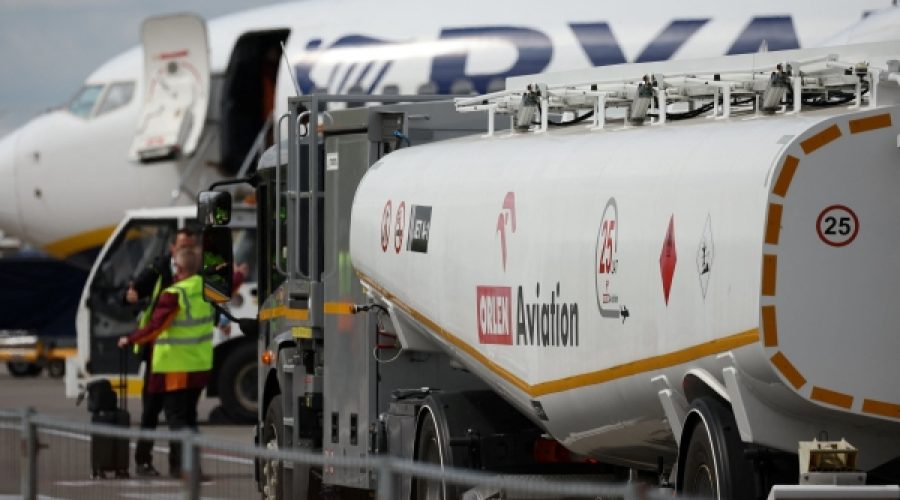
Airlines are finding alternative sources for jet fuel, purchasing from nations like the U.S. and Nigeria at a premium. Wizz Air CEO Jozsef Varadi believes that the availability of jet fuel will not be an issue, despite prices nearing $1,400 per metric ton, approximately double the pre-war levels. "That creates a lot of room to get creative," he remarked.
Airport operators have also been proactive, increasing their jet fuel reserves by over 60% in April, alleviating some concerns that emerged when Italian airports reported shortages. Dublin Airport’s managing director, Gary McLean, stated, "In the short term, we’re certainly not seeing any impact in supply. We’re not hearing of any concerns for summer."
Maintaining this level of assurance is vital for airlines as they aim to prevent ticket cancellations during this key earnings season. Independent aviation analyst John Strickland noted, "Summer is the key earnings season for airlines, and of course they want to reassure customers that it is safe to book."
European officials echoed this sentiment, with EU energy commissioner Dan Jorgensen indicating confidence about short-term supply stability. However, he warned that longer-term issues could arise, dependent largely on the evolving situation in the Middle East.
Special Analysis by Omanet | Navigate Oman’s Market
The ongoing geopolitical tensions in the Middle East are creating a complex landscape for businesses in Oman, particularly in the aviation sector, as jet fuel prices remain inflated. While European airlines project confidence in supply, Oman’s businesses must be prepared for potential price pressures and supply chain disruptions that could arise if the situation escalates. Smart investors should consider diversifying fuel sourcing and exploring sustainable initiatives, capitalizing on potential shifts towards alternative energy solutions in a globally volatile market.