Oman’s Jindal Steel Sets Ambitious 10-Million TPA Production Target: What This Means for Investors and Industry Growth in Oman
MUSCAT: Jindal Steel Group, backed by Indian investment, is set to expand its operations in Oman with the ambition of reaching a combined production capacity of 10 million tonnes per annum (tpa). This growth plan aims to stimulate the development of a comprehensive domestic steel industry.
A senior executive revealed that the expansion intends to enhance the Group’s contribution to Oman’s GDP, currently at 1.6%, and significantly boost its role in the non-oil sector, which accounts for 17% of the GDP.
Harssha Shetty, CEO of Jindal Steel Oman, outlined the Group’s vision: “Our long-term goal is to position Jindal Steel as the leading contributor to Oman Vision 2040 targets. We plan to increase steel production in Oman to 10 million tpa and promote downstream investment so that by 2035, at least 25% of this steel is utilized locally. The steel sector can be a critical catalyst for accelerating non-oil GDP growth and broader economic development. Through investments in primary steel production, downstream expansion, and nurturing a skilled Omani workforce, we aim to drive sustained growth through 2040.”
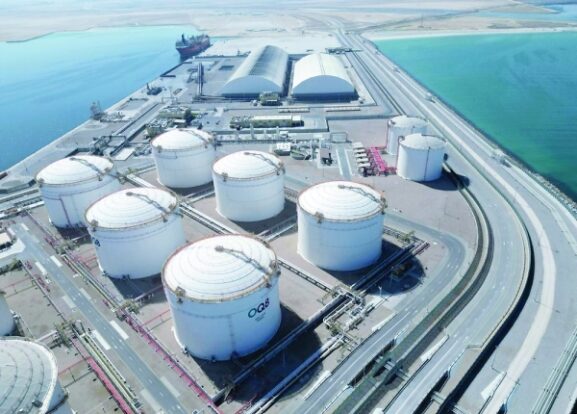
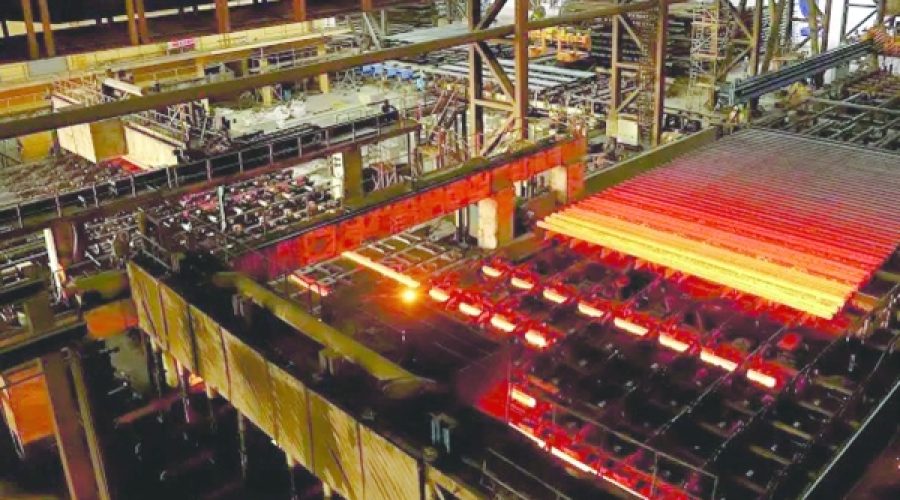
The Group, promoted by Jindal Steel & Power Ltd. (JSPL)—a major Indian steel and energy firm—has already invested significantly in an integrated steel complex at Sohar Port and Freezone. This facility includes a gas-based Direct Reduced Iron (DRI) plant with a capacity of approximately 2 million tpa producing Hot Briquetted Iron (HBI) and Hot DRI, and a steel melt shop with a capacity of about 2.4 million tpa capable of manufacturing various steel grades.
In downstream operations, Jindal Steel runs a rebar rolling mill with an annual capacity of 1.4 million tpa, supplying high-strength construction steel. The complex is further expanding through backward and forward integration, which includes a 6 million tpa pelletizing plant. The Group also owns Sohar Steel, a 0.7 million tpa facility producing rebars and wire rods.
At the Duqm Special Economic Zone (SEZAD), Jindal Steel is developing a low-carbon steel project in its first phase, targeting a total capacity of 5 million tpa across two phases.
Regarding progress, Shetty confirmed: “Our green steel project at Duqm is on track to start operations by Q1 2027. We have finalized orders for all long-lead items and processed payments to contractors. With the right partners now on-site, we are confident production will begin within 15 months.”
Shetty also noted that demand for low-carbon steel is rising sharply among automakers, appliance manufacturers, machinery producers, and wind-energy companies aiming to meet decarbonization goals. The upcoming Carbon Border Adjustment Mechanism (CBAM), effective from January 1, 2026, is expected to further stimulate the market for environmentally friendly steel products.
Special Analysis by Omanet | Navigate Oman’s Market
Jindal Steel Group’s ambitious expansion to a 10 million tpa production capacity signals a strategic shift toward strengthening Oman’s non-oil economy, presenting major opportunities for businesses involved in steel supply chains and downstream industries. Smart investors should focus on the growing demand for low-carbon steel, driven by global decarbonization trends and regulatory changes like the Carbon Border Adjustment Mechanism, positioning Oman as a key player in sustainable industrial growth. This expansion also underlines the importance of building local talent, creating long-term value for the Omani workforce and economy.