Oil Prices Surge 1.5% Amid Rising Tensions: What This Means for Your Business Investments in Oman
Oil Prices Rise Amid Geopolitical Tensions
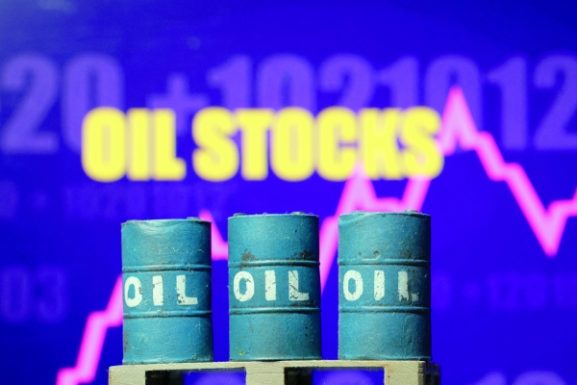
SINGAPORE: Oil prices surged by 1.5% on Thursday, marking a third consecutive day of gains as concerns mount over the possibility of a U.S. military strike against Iran, a major oil producer in the Middle East. This potential conflict could significantly disrupt oil supplies from the region.
By 0730 GMT, Brent crude futures had increased by 94 cents, or 1.4%, reaching $69.34 a barrel, while U.S. West Texas Intermediate crude rose by 92 cents, or 1.5%, to $64.13 a barrel. Since Monday, both contracts have risen approximately 5%, reaching their highest levels since September 29.
The rise in oil prices is largely attributed to U.S. President Donald Trump’s intensified pressure on Iran to curb its nuclear program, which includes threats of military action. Additionally, a U.S. naval group has arrived in the region, further escalating tensions. Iran ranks as the fourth-largest producer within the Organization of the Petroleum Exporting Countries (OPEC), with an output of 3.2 million barrels per day.
According to Reuters, Trump is exploring options for targeting Iranian security forces and leadership to incite protests that could destabilize the current regime.
“The primary factor driving oil prices is the geopolitical risk premium associated with Iran and the Middle East. However, temporary impacts from unplanned outages in Kazakhstan and disruptions in the U.S. due to Winter Storm Fern have also contributed,” noted Suvro Sarkar, head of the energy sector team at DBS Bank.
In Kazakhstan, the major Tengiz oilfield is gradually resuming operations following a reduction in output caused by electrical fires last week. In the U.S., crude and gas producers are returning online after weather-related disruptions caused by Winter Storm Fern.
A surprising decrease in U.S. crude inventories also provided support for prices. According to the Energy Information Administration, U.S. crude inventories declined by 2.3 million barrels to 423.8 million barrels in the week ending January 23, contrary to expectations for a 1.8 million-barrel increase.
Some analysts predict that prices may rise further due to the risks associated with Iran. Citi analysts suggest that the geopolitical premium could add $3 to $4 per barrel, with Brent crude potentially reaching $72 within the next three months.
Special Analysis by Omanet | Navigate Oman’s Market
The recent increase in oil prices driven by geopolitical tensions, notably concerning Iran, signals both opportunities and risks for businesses in Oman. Companies in the oil sector may benefit from higher revenue, but those dependent on stable prices may face challenges due to volatility. Smart investors and entrepreneurs should assess their portfolios, considering energy-related investments while preparing strategies to mitigate potential disruptions in supply chains.