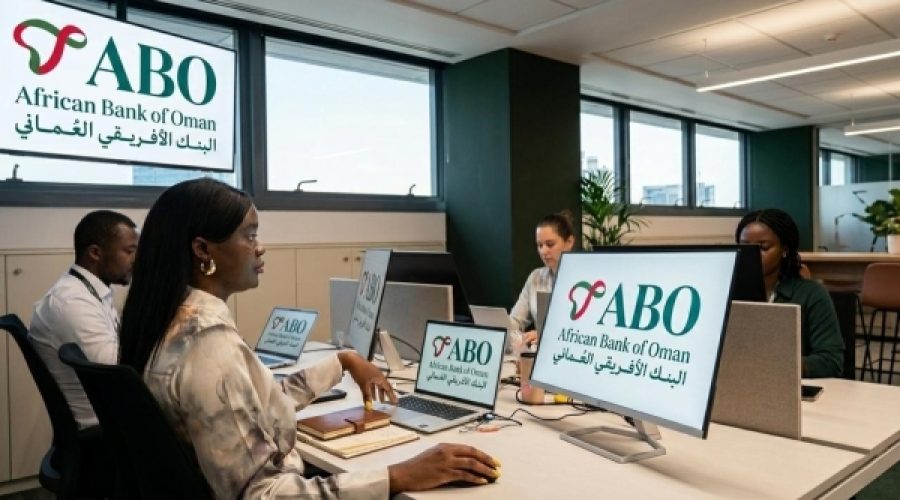
African Bank of Oman Launches in Angola: What This Means for Investment Opportunities and Business Expansion
Luanda, Angola – The African Bank of Oman (ABO) was officially established on Monday in Luanda, marking a significant advancement in Oman’s Vision 2040 goals and its strategic efforts to enhance its financial footprint in emerging African markets.
This launch represents a pivotal step in deepening the economic ties between the Sultanate of Oman and the African continent. The bank’s creation aligns with Angola’s ongoing economic transformation under the “Angola 2050 Strategy,” a long-term development plan focused on economic diversification, accelerated privatization, infrastructure growth, and the opening of productive sectors to international investment.
His Highness Sayyid Theyazin bin Haitham bin Tarik al Said, Deputy Prime Minister for Economic Affairs, congratulated the establishment of ABO, emphasizing that it reflects the economic diplomacy foundation laid by His Majesty Sultan Haitham bin Tariq. He noted that the bank aims to strengthen Oman’s investment and economic presence globally by connecting international markets and reinforcing Oman’s role as a financial bridge between the Middle East and emerging markets, built on pillars of stability, trust, and well-established relations.
“We believe these steps will benefit all parties by deepening economic engagement with Africa and its emerging markets, enhancing the region’s reputation, and positioning Oman as a reliable investment partner. This supports Oman’s sustainable economic diversification under Vision 2040, which is rooted in a rich civilizational heritage and aspires for a prosperous future under the leadership of His Majesty the Sultan,” HH Sayyid Theyazin added.
Abdulsalam bin Mohammed al Murshidi, Chairman of the Oman Investment Authority (OIA), described the bank’s establishment as part of a broader strategy to expand Oman’s investment presence regionally and internationally. He stated, “ABO is not merely a banking institution but an integrated financial platform designed to boost capital, trade, and investment flows between Oman and Africa, particularly Angola, which we see as a promising strategic partner due to its economic potential and vast investment opportunities.”
He further explained that OIA anticipates the bank will solidify Oman’s role as a dependable link between the Middle East and Africa by transferring institutional expertise and best practices in financial governance to emerging markets, thereby enhancing investment efficiency and generating sustainable value for all stakeholders.
Positioned as an international investment bank with Angolan roots, ABO aims to facilitate and regulate capital flows and trade between Angola, neighboring African markets, and the Middle East. It will operate according to Oman’s high standards of financial governance and institutional expertise, focusing on transparency, sustainability, and regulatory compliance.
The bank plans to support key sectors underpinning the Angolan economy, including oil and gas (about 20% of GDP), consumer goods (approximately 19%), as well as rapidly expanding mining, infrastructure, transport, and logistics sectors aligned with national development priorities.
In its initial phase, ABO will serve 50 major multinational corporations, along with local and government entities in Angola. The bank intends to gradually expand its services to foster trade and investment between Africa and the Middle East, while bolstering Angola’s role as a financial and investment gateway to African markets.
Special Analysis by Omanet | Navigate Oman’s Market
The establishment of the African Bank of Oman signals a strategic expansion of Oman’s financial influence into high-growth African markets, particularly Angola, aligning with Vision 2040’s diversification goals. For businesses, this creates new opportunities to tap into Angola’s expanding sectors like oil, mining, infrastructure, and consumer goods while mitigating risks through enhanced financial governance standards. Smart investors should now consider leveraging this evolving investment corridor to bridge Middle Eastern capital with Africa’s emerging economy, capitalizing on the bank’s role as a regional gateway and a facilitator of cross-border trade and investment.