Indian Airlines Threaten to Halt Services Over Aviation Fuel Crisis: What It Means for Investors and Businesses in Oman
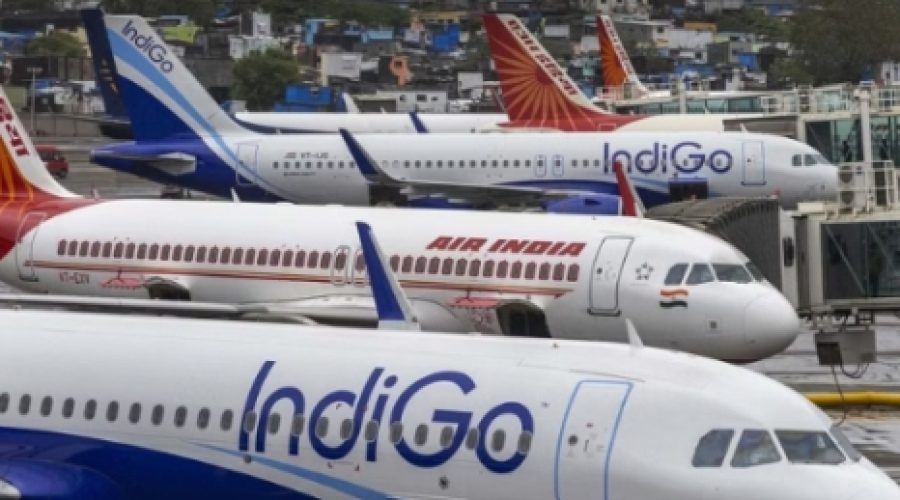
Muscat: India’s leading airlines—IndiGo, Air India, and SpiceJet—have appealed to the government for urgent intervention, warning of potential shutdowns due to airspace closures amid the ongoing war in West Asia.
The Federation of Indian Airlines (FIA), representing these carriers, has requested the Ministry of Civil Aviation to implement a uniform fuel pricing mechanism across both domestic and international operations.
Since the outbreak of the conflict on February 20, global aviation fuel prices have more than doubled, rising from approximately $96 per barrel to a peak of $209 in early April before settling at $176.45 by the week ending April 24. While the Indian government capped domestic aviation fuel price hikes at ₹15 per litre last month, international operations have faced an increase of ₹73 per litre.
Fuel prices remain highest in Asia (around $181 per barrel) and Europe (about $187), compared to the Middle East ($174) and North America ($172). Aviation fuel accounts for 30-40% of an airline’s operating costs, but this figure surged to 55-60% following the recent price increases.
The FIA’s letter, dated April 26, described the current hike in aviation turbine fuel prices as “irrational,” warning it will cause “insurmountable losses,” force aircraft groundings, and lead to widespread flight cancellations. It called for “immediate and meaningful financial support” to help airlines survive the crisis.
Meanwhile, Indian schools in Oman will begin summer holidays earlier than usual this year, coinciding with Eid al-Adha in the third week of May. This timing, combined with fuel surcharges and aviation fuel supply challenges, is driving a significant increase in airfares from Oman to India starting May 21, 2026.
Current fares for late May are 20-50% higher than usual, with one-way tickets ranging from OMR 100 to 150 on peak travel days. Mumbai remains the most competitively priced route, served by Oman Air, SalamAir, and Air India Express, with fares starting between OMR 55–65 thanks to high frequency and multiple options. In contrast, fares to Hyderabad, Delhi, and Bengaluru have surged due to reduced flight capacity and uncertainty among Indian carriers.
International Air Transport Association (IATA) Director General Willie Walsh highlighted the looming risk of jet fuel shortages globally, forecasting possible flight cancellations in Europe by the end of May due to fuel scarcity—a situation already unfolding in parts of Asia. He urged authorities to prepare coordinated contingency plans, including potential slot relief, while exploring alternative fuel supply routes.
The International Energy Agency (IEA) reported in its latest oil market update that global jet fuel demand averaged 7.8 million barrels per day in 2025, with 2 million barrels per day traded internationally. Gulf exporters supply about 400,000 barrels daily—approximately 20% of the global market—making them the largest single source. The loss of Gulf supply has created a severe structural imbalance in jet fuel availability.
The IEA also forecasted a decline in global crude refinery runs by one million barrels per day in 2026, resulting in 200,000 barrels per day less jet fuel compared to pre-conflict levels. The supply shortage is expected to peak in Q2 2026, potentially removing up to 500,000 barrels per day from the market.
This developing crisis underscores the urgent challenges facing airlines and the broader aviation industry amid geopolitical tensions and energy market disruptions.
Special Analysis by Omanet | Navigate Oman’s Market
The ongoing fuel price surge and airspace restrictions stemming from the West Asia conflict present significant operational risks for airlines, driving up costs and threatening flight cancellations. For businesses in Oman, especially tourism and travel sectors, this may mean higher travel costs and potential capacity constraints, impacting demand and scheduling. Smart investors and entrepreneurs should consider diversifying supply chains, exploring fuel-efficient and alternative technologies, and capitalizing on competitive routes like Muscat-Mumbai, while closely monitoring policy interventions and transport sector support measures.