Oman Launches National Aviation Decarbonisation Initiative: What This Means for Sustainable Investment and Growth Opportunities in the Aviation Sector
MUSCAT: On April 7, 2026, representatives from aviation operators, government bodies, academia, and the wider aviation industry gathered for the official launch of a national initiative aimed at decarbonising Oman’s aviation sector.
The initiative is led by the Centre of Environmental Studies and Research (CESAR) at Sultan Qaboos University, under the auspices of the Civil Aviation Authority (CAA) of Oman.
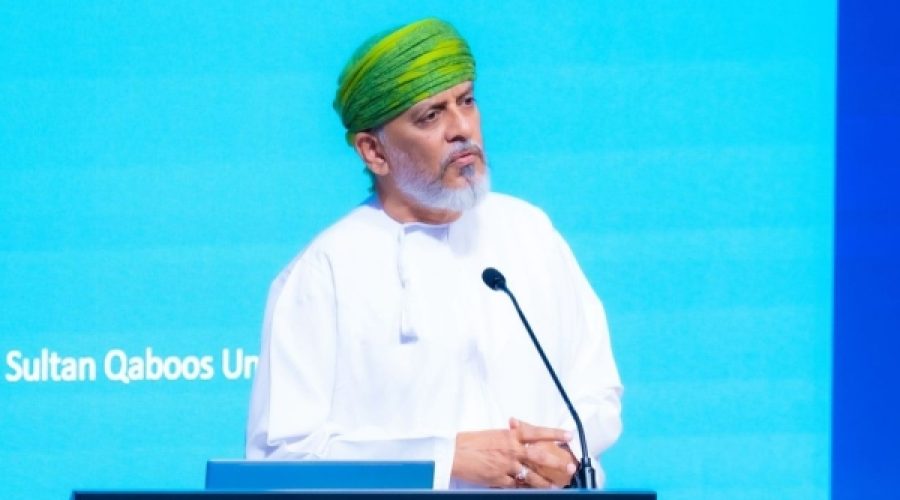
At the inception workshop, which initially focused on aviation operators, Dr. Malik al Wardy, Director of CESAR, emphasized the objective of creating a structured, evidence-based roadmap to reduce emissions from the aviation sector in Oman.
During the workshop, CESAR detailed the project’s scope, methodology, and a 12-month action plan. Key elements include developing the sector’s first comprehensive emissions inventory and modelling future emissions scenarios to inform policy and planning decisions.
Discussions further addressed identifying and evaluating mitigation strategies, supported by cost-benefit analyses of priority actions. CESAR also shared plans to develop an electronic monitoring, reporting, and verification (MRV) platform, clarifying data requirements, stakeholder roles, and implementation responsibilities essential to the project’s success.
Dr. al Wardy highlighted the importance of establishing a strong emissions baseline, enhancing data readiness, and fostering effective coordination among relevant entities to transition the project from assessment to actionable outcomes. He noted that the envisioned digital MRV platform will standardize emissions data collection, support scenario analysis, and strengthen compliance and reporting processes.
Oman’s aviation decarbonisation strategy focuses on building a regulatory and industrial ecosystem around Sustainable Aviation Fuel (SAF) as the primary tool for emissions reduction.
The CAA is actively formulating policies, fuel standards, and establishing a national task force to promote SAF production and adoption. This aligns with Oman’s net-zero target for 2050 and involves collaboration with energy sector stakeholders such as OQ and PDO, alongside international partners. Early-stage projects and planned fuel trials aim to position Oman as a regional hub for low-carbon aviation fuels.
Complementing the SAF initiative, the CAA’s strategy includes regulatory, operational, and market-based measures to reduce aviation emissions. This encompasses implementing the global CORSIA carbon offsetting framework, which mandates airlines to monitor, report, and offset emissions, as well as encouraging sustainable practices at airports, including clean energy use and future SAF infrastructure development.
“This project is timely as Oman aligns sectoral growth with Oman Vision 2040, its net-zero 2050 ambitions, and relevant international climate and aviation frameworks,” Dr. Al Wardy concluded.
Special Analysis by Omanet | Navigate Oman’s Market
Oman’s launch of a national initiative to decarbonise aviation signals strategic alignment with global sustainability trends and Vision 2040, presenting significant opportunities for businesses involved in sustainable aviation fuel (SAF) production, clean energy, and digital emissions monitoring technologies. Smart investors should focus on emerging SAF infrastructure and regulatory frameworks, as these will be key drivers of Oman’s transition to a low-carbon aviation sector, while entrepreneurs can explore innovations in emissions data solutions and eco-friendly airport operations. The initiative also underscores potential risks for traditional aviation operators who may face increased compliance costs and the need for rapid adaptation.