Oman Considers Musandam Power Interconnection via Subsea Cable: Key Implications for Investors and Businesses
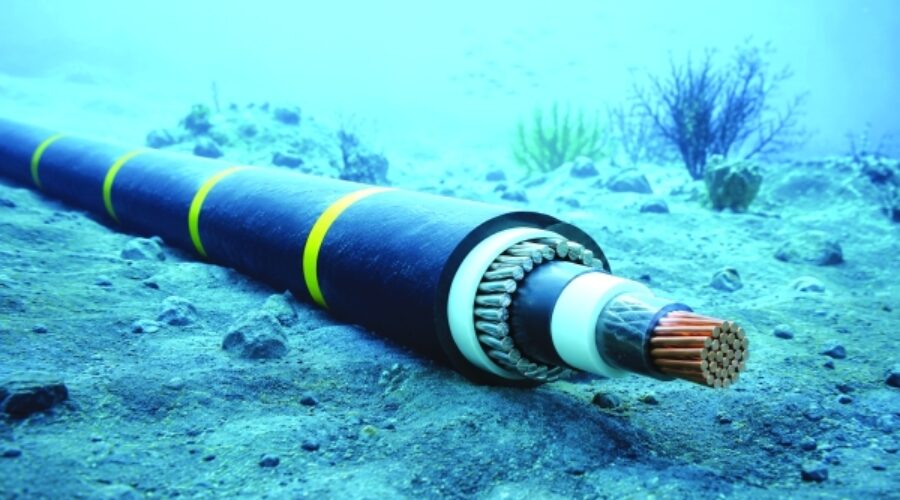
MUSCAT, JULY 1 — The geographically separated yet strategically vital Musandam Governorate, an Omani exclave overlooking the Strait of Hormuz, is set to be connected to Oman’s Main Interconnected System (MIS) through a 141-kilometer submarine cable, marking the longest of its kind within the Sultanate.
The project is being led by the Oman Electricity Transmission Company (OETC), the majority state-owned operator responsible for the national power transmission grid. Scheduled for completion by June 2030, this interconnection aims to significantly bolster system security and reduce Musandam’s current dependence on its isolated local power generation.
In its recently released 5-Year Annual Transmission Capability Statement (2026–2030), OETC detailed its evaluation of interconnection options between Musandam and the MIS, including both overhead lines and submarine cables. The preferred solution is a 220kV link that will combine a 141-km submarine cable with a 35-km overhead line connecting the Dibba and Shinas grid stations. OETC noted that this 220kV configuration offers enhanced long-term security, scalability, and resilience, facilitating Musandam’s strategic integration into Oman’s national grid.
Currently in the planning phase, the project’s implementation is contingent upon final approval from the Authority for Public Services Regulation (APSR), the sector regulator.
Musandam’s electricity needs are mainly met by the Musandam Power Plant—a gas-fired independent facility near Khasab—supported by smaller diesel generators in remote areas as necessary. Rising electricity demand, driven by expanding tourism, fisheries, and economic development, has prompted efforts to improve energy security through grid upgrades and the integration of renewable energy sources and battery storage systems, thereby reducing reliance on conventional generation methods.
Beyond the submarine cable, the interconnection plan includes constructing new 220/132kV grid stations at Shinas and Dibba, equipped with shunt reactors and dynamic voltage support systems to maintain voltage stability along the lengthy submarine link.
In a related initiative, OETC is also planning to interconnect Musandam’s power system with the transmission network of the United Arab Emirates utility TRANSCO. This involves building a new 132kV transmission link comprising 25 km of overhead line and 6 km of underground cable between the existing Fila grid station in the UAE and Oman’s Dibba grid station.
Currently in the design phase, the project has a consultant appointed to prepare the conceptual design and tender documents for engineering, procurement, and construction (EPC). While APSR has granted initial regulatory approval, appointing the EPC contractor will depend on the final bilateral agreement between Oman and the UAE, OETC confirmed.
Special Analysis by Omanet | Navigate Oman’s Market
The planned 141-km submarine cable interconnecting Musandam with Oman’s Main Interconnected System by 2030 is a transformative infrastructure project that will boost regional energy security and resilience, reducing reliance on isolated, conventional power generation. For businesses, this means greater stability and capacity for growth, especially in tourism and fisheries, while smart investors should eye opportunities in renewable energy integration and cross-border energy trade with the UAE, positioning themselves at the forefront of Oman’s evolving energy landscape.