افزایش قیمت نفت در بحبوحه مذاکرات ایران و آمریکا: پیامدهایی برای سرمایهگذاران و بازارهای عمان
افزایش قیمت نفت با شکست مذاکرات صلح بین آمریکا و ایران
قیمت نفت روز پنجشنبه افزایش یافت، در حالی که سهام کاهش یافت، پس از آنکه ایران تلاشهای ایالات متحده برای کاهش تنش تقریباً چهار هفتهای را رد کرد. خوشبینی اولیه در بازارها ناشی از اعلامیه اوایل این هفته دونالد ترامپ، رئیس جمهور آمریکا، مبنی بر به تعویق افتادن حملات برنامهریزی شده به زیرساختهای انرژی ایران بود که نشان میدهد مذاکرات صلح در حال انجام است.
با این حال، عدم قطعیت پیرامون مذاکرات - در کنار بسته شدن قریبالوقوع تنگه هرمز، مسیری حیاتی که تقریباً 20% از نفت و گاز طبیعی مایع جهان از آن عبور میکند - بر احساسات بازار سایه افکنده است.
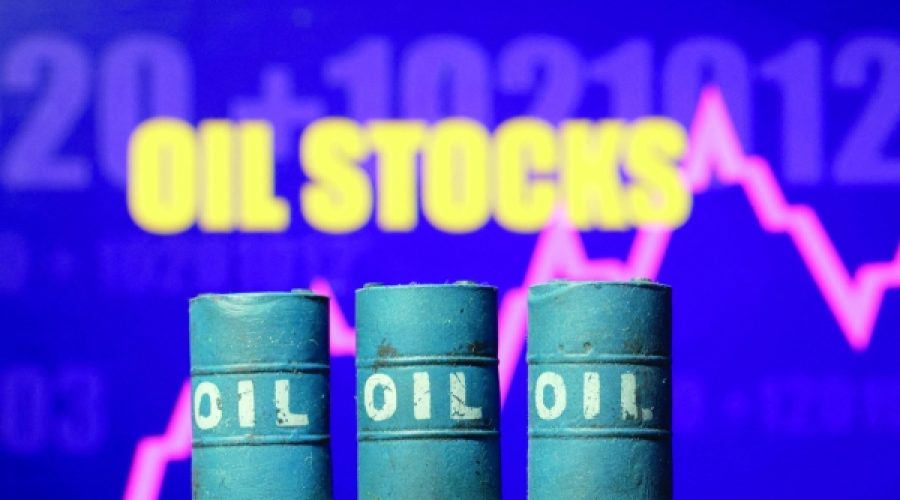
“جاشوا ماهونی، تحلیلگر ارشد بازار در شرکت اسکوپ مارکتس، اظهار داشت: ”نوسان بازار ادامه دارد.» روز پنجشنبه، قیمت نفت خام تقریباً چهار درصد افزایش یافت و نفت خام برنت از ... پیشی گرفت. $101 به ازای هر بشکه و معاملات WTI در حدود $94.
در بازارهای مالی، دلار آمریکا در برابر رقبای اصلی خود تقویت شد. وال استریت با قیمت پایینتری باز شد، بازارهای اروپایی در معاملات بعد از ظهر کاهش یافتند و بازارهای آسیایی نیز ضررهایی را تجربه کردند. کاتلین بروکس، مدیر تحقیقات XTB، خاطرنشان کرد: “وقتی قیمت نفت افزایش مییابد، روند بازار ثابت میماند: سهام و اوراق قرضه با قیمت پایین فروخته میشوند.” در نتیجه، بازده اوراق قرضه دولتی در همه بازارها افزایش یافت.
به گفته جیم رید از دویچه بانک، اظهارات متناقض از سوی ایالات متحده و ایران، تردیدهایی را در مورد امکان دستیابی به یک راه حل مسالمتآمیز در روزهای آینده ایجاد کرده است. گزارشها حاکی از آن است که واشنگتن پیشنهاد داده است طرح ۱۵ مادهای برای پایان دادن به جنگ، در حالی که تلویزیون دولتی ایران فاش کرده است که تهران پنج شرط برای آتشبس تعیین کرده است.
روز چهارشنبه، رئیس جمهور ترامپ هشدار شدیدی به ایران داد و تهدید کرد که در صورت عدم دستیابی به توافق، “جهنم را به راه خواهد انداخت”. در پاسخ، عباس عراقچی، وزیر امور خارجه، اظهار داشت که ایران تمایلی به مذاکره با دولت فعلی ایالات متحده ندارد. بروکس خاطرنشان کرد: “این کاملاً تغییر در لفاظیهای رئیس جمهور است و پیچیدگی دستیابی به توافق صلح را برجسته میکند.” او همچنین ابراز نگرانی کرد که “چشمانداز حضور نیروها در میدان، به جای یک اقدام قاطع علیه ایران، نشاندهنده یک جنگ طولانی مدت است.”
اسحاق دار، وزیر امور خارجه پاکستان، با افزودن به پویاییهای ژئوپلیتیکی، تأیید کرد که مذاکرات غیرمستقیم بین ایالات متحده و ایران در حال انجام است و اسلام آباد به عنوان میانجی عمل میکند. ماهونی اظهار داشت که موضع سختگیرانه ایران ممکن است نوعی ژست گرفتن باشد، اما احتمال قابل توجهی وجود دارد که این کشور تا زمانی که قیمت انرژی به طرز ناراحت کنندهای بالا نرود، به این درگیری ادامه دهد.
سازمان همکاری و توسعه اقتصادی (OECD) همچنین پیشبینی رشد خود را برای منطقه یورو کاهش داد و به دلیل افزایش شدید قیمت انرژی، افزایش تورم را برای سال 2026 پیشبینی کرد. این درگیری مداوم، با نزدیک شدن به ماه آوریل، بر احساسات مصرفکنندگان آلمانی تأثیر منفی میگذارد و اوضاع را برای بزرگترین اقتصاد اروپا پیچیدهتر میکند.
روز دوشنبه، فرانسه که در حال حاضر ریاست گروه هفت را بر عهده دارد، قصد دارد جلسهای با حضور وزرای دارایی، وزرای انرژی و روسای بانکهای مرکزی برگزار کند. چارو چانانا از ساکسو مارکتس تأکید کرد که “فشار بر قیمت انرژی، جریانهای کشتیرانی و شرایط مالی گستردهتر همچنان یکی از معدود منابع مهم اهرم فشار ایران است”، که نشاندهنده عدم تمایل به کنار گذاشتن زودهنگام این اهرم فشار است، به خصوص اگر تنشهای بازار، موقعیت مذاکره ایران را تقویت کند.
علاوه بر این، انگوزی اوکونجو-ایولا، رئیس سازمان تجارت جهانی، هشدار داد که سیستم تجارت جهانی با “بدترین اختلالات در ۸۰ سال گذشته” روبرو است.”
تحلیل ویژه از عمانت | بازار عمان را کشف کنید
اخیر افزایش ناگهانی قیمت نفت به دلیل تشدید درگیری بین ایالات متحده و ایران، هر دو ... ریسکها و فرصتها برای کسب و کارها در عمان. با افزایش قیمت انرژی،, سرمایهگذاران میتوانند از افزایش درآمدهای نفتی بهرهمند شوند, ، اما آنها همچنین باید خود را برای نوسانات احتمالی در بازارهای جهانی و زنجیرههای تأمین آماده کنند. کارآفرینان باهوش باید تنوعبخشی به سرمایهگذاریها را در نظر بگیرند برای کاهش خطرات مرتبط با عدم قطعیت ژئوپلیتیکی، به ویژه با توجه به اینکه وضعیت در تنگه هرمز همچنان متزلزل است.