سقوط سهام در بحبوحه سخنرانی ترامپ، اما افزایش قیمت نفت نشاندهنده بیثباتی بازار است: آنچه سرمایهگذاران در عمان باید بدانند
بازارهای سهام چین و هنگ کنگ روز پنجشنبه پس از سخنرانی دونالد ترامپ، رئیس جمهور آمریکا که احساسات سرمایه گذاران را متشنج کرد، عقب نشینی کردند. ترامپ در سخنرانی تلویزیونی خود در روز چهارشنبه اظهار داشت که ارتش آمریکا تقریباً به اهداف خود در درگیری با ایران دست یافته است، اما جدول زمانی مشخصی برای پایان جنگ ارائه نکرد.
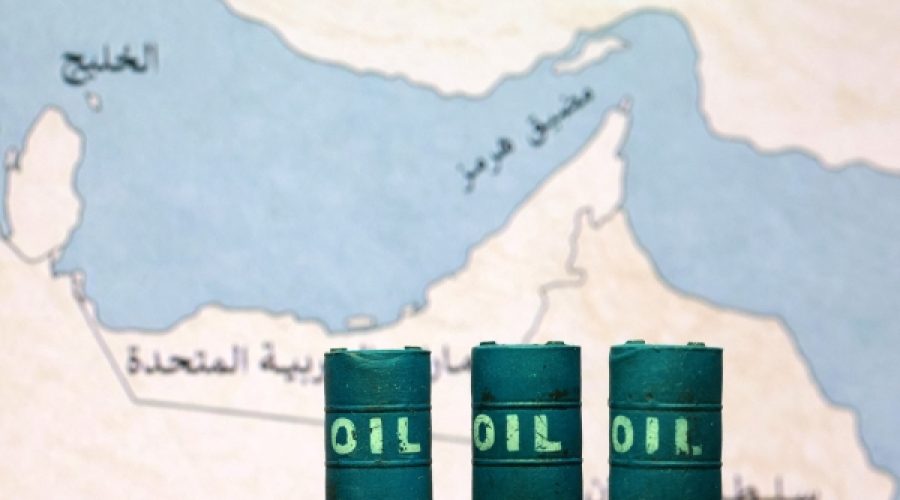
رئیس جمهور اعلام کرد که نیروهای آمریکایی طی دو تا سه هفته آینده به هدف قرار دادن سایتهای ایرانی ادامه خواهند داد و به مردم اطمینان داد که این مأموریت “خیلی سریع” به پایان خواهد رسید. با این حال، عدم قطعیت پیرامون بازگشایی تنگه هرمز که از نظر استراتژیک بسیار مهم است، همچنان یک نگرانی اساسی است.
پراشانت نیوناها، استراتژیست ارشد نرخ بهره در تیدی سکیوریتیز، اظهار داشت: “تنها چیزی که واقعاً مهم است این است که آیا تنگه هرمز به زودی باز خواهد شد یا خیر.” او خاطرنشان کرد که تهدیدهای ترامپ برای حمله به نیروگاههای ایران در صورت عدم دستیابی به توافق، همراه با هشدارها مبنی بر تبدیل ایران به “عصر حجر”، احتمال تشدید بیشتر تنشها را به جای یک راهحل سریع نشان میدهد.
قیمت نفت به شدت واکنش نشان داد و در بحبوحه ترس فزاینده از اختلالات طولانی مدت در عرضه، بیش از ۱TP4T5 افزایش یافت.
نایجل گرین، مدیرعامل شرکت مشاوره مالی جهانی deVere Group، هشدار داد که بازارهای جهانی احتمالاً به دلیل سیگنالهای ضد و نقیض سخنرانی ترامپ که نشانههایی از پایان قریبالوقوع درگیری را با تهدیدهای مداوم تشدید تنش و عدم وجود راهحل قطعی در مورد مسائل حیاتی مانند کنترل تنگه هرمز ترکیب میکرد، شاهد نوسانات جدیدی خواهند بود.
“گرین گفت: ”بازارها با قطعیت بیشتری شروع به قیمتگذاری کردند، اما این سخنرانی دوباره ابهام ایجاد کرد. سرمایهگذاران انتظار یک درگیری کوتاه و مهار شده را داشتند، اما پیام اکنون بسیار کمتر قطعی است و این امر باعث نوسانات در طبقات دارایی خواهد شد.“
شفافیتی که باعث افزایش اخیر ارزش سهام شده بود، کاهش یافته است، زیرا این سخنرانی به این احتمال اشاره داشت که متحدان ممکن است نیاز به مسئولیت بیشتری برای محافظت از مسیرهای حیاتی انرژی داشته باشند. به گفته گرین، این پیام پیچیده، روایت بازار را مختل میکند و به این معنی است که سرمایهگذاران باید خود را با یک درگیری نامشخص و احتمالاً طولانی مدت وفق دهند.
نگرانی اصلی همچنان بازار نفت است. کاهشهای قبلی قیمت نفت خام بر اساس انتظارات از کاهش خطرات عرضه بود، اما اظهارات ترامپ این نگرانی را دوباره زنده کرد که تهدیدهای کلیدی، به ویژه در اطراف تنگه هرمز، به طور کامل برطرف نشدهاند. حساسیت بازار نفت به تنشهای ژئوپلیتیکی به این معنی است که هرگونه درک از ریسک پایدار میتواند به سرعت یک حق بیمه ریسک ژئوپلیتیکی را دوباره ایجاد کند و بر انتظارات تورمی و احساسات گستردهتر بازار تأثیر بگذارد.
افزایش قیمت نفت احتمالاً به تورم بالاتر منجر میشود، بر پیشبینیهای نرخ بهره تأثیر میگذارد و بازارهای سهام را تحت فشار قرار میدهد. انتظار میرود بازارهای ارز و کالا ابتدا واکنش نشان دهند و در بحبوحه عدم قطعیتهای جدید، داراییهای امن سنتی مانند طلا و دلار آمریکا تقویت شوند.
یکی دیگر از مسائل مهمی که در سخنرانی ترامپ برجسته شد، فقدان یک وضعیت نهایی مشخص برای دخالت ایالات متحده است. ترامپ تلویحاً گفت که ایالات متحده ممکن است عملیات خود را بدون حل کامل عناصر حیاتی مانند بازگشایی خطوط کشتیرانی کلیدی به پایان برساند. این امر خطر یک راهحل جزئی را ایجاد میکند که تنشهای اساسی را همچنان پابرجا نگه میدارد.
گرین هشدار داد که “اعلام ‘پایان’ درگیری بدون حذف خطرات استراتژیک، به معنای حل کامل آن نیست و بازارها باید با این واقعیت سازگار شوند.” او پیشبینی کرد که بازارهای سهام، که از امید به کاهش سریع تنشها بهرهمند شده بودند، ممکن است با ارزیابی مجدد سرمایهگذاران، دچار مکث یا عقبنشینی شوند.
با تلاشهای دیپلماتیک مداوم و احتمال تحولات بیشتر، وضعیت همچنان سیال است. گرین تأکید کرد که بازارها اکنون به جای نتایج قطعی، تحت تأثیر احتمالات متغیر قرار دارند.
“او اظهار داشت: ”بازارهای مالی به سرعت به تغییر روایت واکنش نشان میدهند. در حال حاضر، روایت نامشخص است و منجر به افزایش نوسانات در سهام، نفت و ارزها میشود، زیرا سرمایهگذاران چشماندازی پیچیدهتر و غیرقابلپیشبینیتر را در پیش میگیرند.“
خلاصه اینکه، عدم قطعیت عامل غالب تأثیرگذار بر بازارها است و انتظار میرود تا زمانی که تصویر واضحتری از حل و فصل مناقشه پدیدار نشود، نسبت به هر تحول جدیدی بسیار حساس باقی بمانند.
تحلیل ویژه از عمانت | بازار عمان را کشف کنید
عدم قطعیت دوباره در مورد درگیری ایران و ثبات تنگه هرمز نشان دهنده افزایش خطرات ژئوپلیتیکی و نوسانات بازار است, ، به ویژه بر قیمت نفت و سهام تأثیر میگذارد. برای مشاغل در عمان، این موضوع تأکید میکند که نیاز مبرم به برنامهریزی احتمالی پیرامون اختلالات زنجیره تأمین و نوسانات قیمت انرژیسرمایهگذاران و کارآفرینان هوشمند باید تحولات ژئوپلیتیکی را از نزدیک زیر نظر داشته باشید، در برابر نوسانات قیمت نفت از خود محافظت کنید و پیامدهای بیثباتی طولانیمدت منطقهای را بر اعتماد بازار و انتظارات تورمی در نظر بگیرید..