War Forces Asian Economies to Confront Sliding Currencies: What Investors and Entrepreneurs Need to Know for Strategic Business Decisions
SINGAPORE – Policymakers across the Asia-Pacific region are confronting their most formidable challenge since the COVID-19 pandemic, grappling with limited options as they strive to shield their economies from a rapidly intensifying energy crisis. This shock is impacting the region sooner and more severely than other parts of the world.
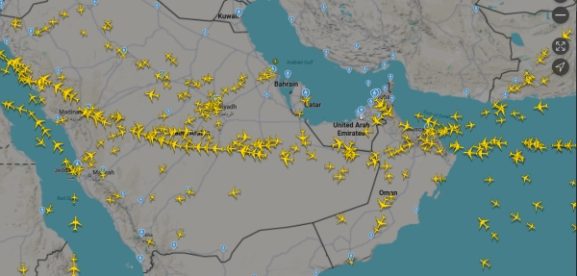
Asia, which imports approximately 80% of the oil transported through the Strait of Hormuz, is facing worsening shortages through April and May, according to J.P. Morgan commodity analysts. This situation demands prompt and decisive action from regional authorities.
The impact is already evident: in Manila, diesel prices have tripled, severely affecting jeepney drivers. Vietnam is bracing for a jet-fuel shortage, while South Korea’s major cosmetics companies are urgently seeking plastic resin to manufacture containers for their renowned skincare products.
As with the rest of the world, the escalation of the U.S.-Israeli conflict with Iran poses significant risks of rising inflation and slowed economic growth in Asia.
Asian currencies, some already under pressure, have experienced heavy selling, ranking among the worst performers globally. This reminiscent scenario evokes the Asian financial crisis, forcing policymakers into difficult decisions: raising interest rates, depleting reserves, or enduring further currency depreciation.
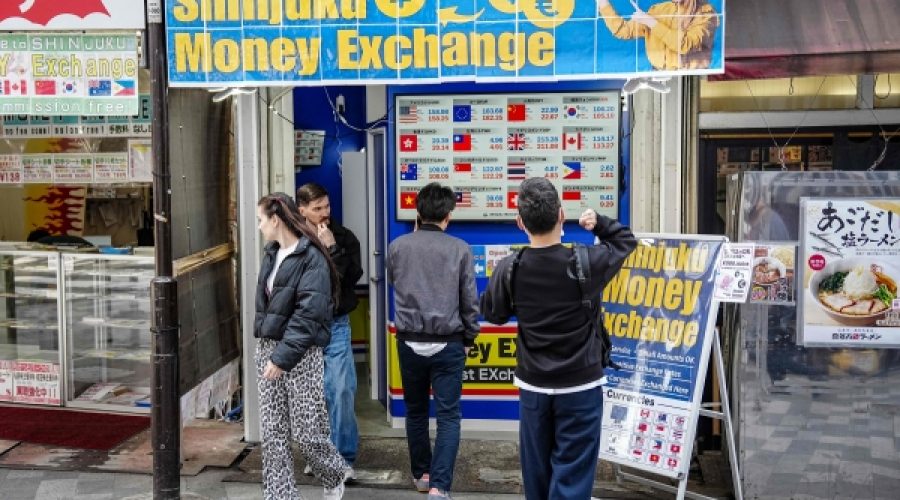
This month, India’s rupee, Indonesia’s rupiah, and the Philippine peso plunged to record lows against the U.S. dollar, alongside significant declines in the Japanese yen and South Korean won.
Alicia Garcia Herrero, Asia-Pacific chief economist at Natixis in Hong Kong, highlighted that “the key problem is Asian currencies were too weak before.” She added, “Central banks have no instrument… Economies are going to plummet, and they cannot cut rates anymore — not only due to inflationary pressure but also because they have already lowered rates too many times.”
The U.S. dollar, viewed as a safe haven in March, has surged to historic highs in Asia — climbing over 4% against the won, peso, and Thai baht — compared to a roughly 1.5% increase against the euro.
No Easy Solutions
There is no straightforward fix. Aside from increasing oil imports, no measures adequately address the ongoing squeeze, which is also driving up prices for plastics and fertilizers.
Raising interest rates risks dampening economic growth just as support is crucial. Subsidizing fuel carries hefty costs and may be unpopular among bond investors in emerging markets or countries facing budget constraints. Direct currency intervention is costly and risky in volatile foreign exchange markets.
Sonal Varma, Nomura’s chief economist for Asia outside Japan, stated, “There are no easy policy options at this stage. Whether it’s currency, monetary policy, or fiscal policy, macroeconomic trade-offs will have to be made. Each country will need to decide on the most palatable approach given their unique circumstances.”
Since the conflict’s onset in late February, Australia has raised interest rates, while other Asia-Pacific nations have employed tools such as policy guidance, currency intervention, and unconventional strategies to mitigate soaring fuel prices and stabilize markets.
South Korea has leveraged its massive national pension fund — the world’s third largest — to bolster its hedging ratio and support the won. India and Indonesia have defended their currencies and implemented market function adjustments: India capped banks’ currency positions, while Indonesia launched a short-term dollar repo market.
Japan has renewed threats of intervention as the yen nears almost four-decade lows. The Philippines declared a state of emergency, allowed its currency to fall to a record low by pausing intervention, and held an unexpected policy meeting signaling readiness to act.
Fred Neumann, HSBC’s chief Asia economist in Hong Kong, remarked, “There is no clear blueprint for responding to a crisis like this. Asia recognizes that exchange rates cannot be fundamentally altered; the best that can be done is to ‘lean against the wind.’”
Despite these pressures, most Asian countries maintain solid foreign exchange reserves, and the current crisis is distinct from the pegged currency and dollar debt issues that triggered rapid capital flight nearly 30 years ago.
As of March 20, India’s reserves stood at about $698 billion, covering over 11 months of imports. Indonesia and the Philippines each possess reserves covering more than six months of imports.
However, with direct market intervention likely insufficient against strong dollar demand driven by haven flows, central banks will need innovative approaches.
Neumann emphasized the importance of agility: “Policymakers must be nimble… Unscheduled meetings and frequent, transparent communication with markets are crucial. In such volatile conditions, being clear and honest in assessments is essential, without rigid adherence to dogma.”
تحلیل ویژه از عمانت | بازار عمان را کشف کنید
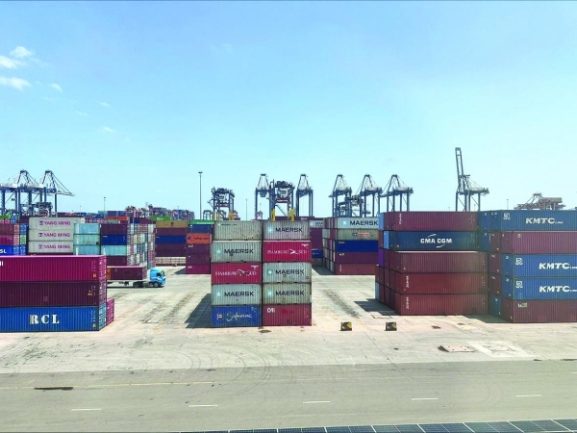
The Asia-Pacific energy shock, intensified by regional geopolitical tensions, signals heightened inflation and currency volatility risks that could ripple into Oman’s economy, especially given its strategic position near the Strait of Hormuz. For businesses, this underscores the urgency to diversify supply chains and hedge against currency fluctuationsسرمایهگذاران و کارآفرینان هوشمند باید monitor regional monetary policies closely and consider innovation in energy and currency risk management to capitalize on emerging market shifts.