Iran Conflict Risks Inflation Surge and Rising Interest Rates: What Investors and Businesses Need to Know
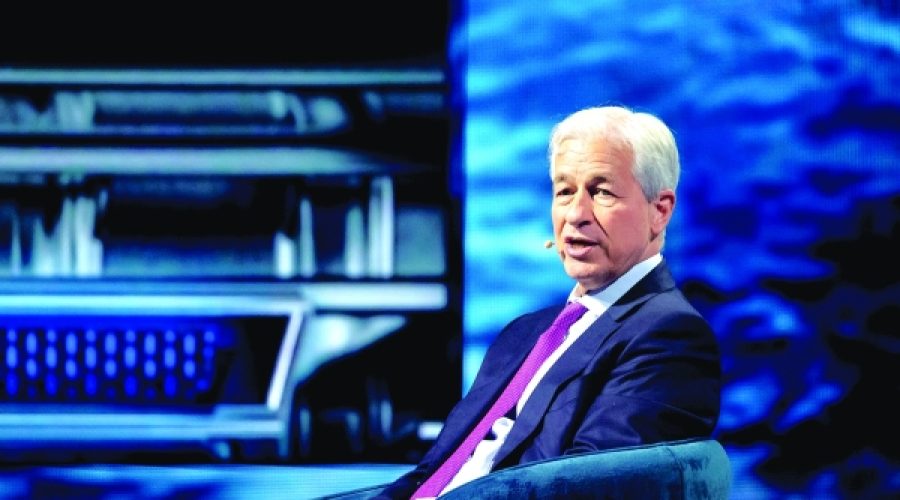
NEW YORK: JPMorgan Chase CEO Jamie Dimon has issued a warning that the ongoing war in Iran poses a significant risk of causing shocks in oil and commodity prices. These disruptions could result in persistent inflation and push interest rates higher than currently anticipated by the market.
In his annual letter to shareholders, released on Monday, Dimon’s cautionary message came just one day after US President Donald Trump intensified pressure on Iran. Trump threatened to target Iranian power plants and bridges if the country does not reopen the Strait of Hormuz, a vital maritime passage.
Having led JPMorgan, the largest US bank, for two decades, the 70-year-old CEO also expressed his view that the private credit sector likely does not represent a systemic risk despite recent investor pullbacks. This retreat is linked to concerns that advances in artificial intelligence might negatively impact the borrowers that these funds support.
Dimon highlighted several major challenges facing the global economy, including geopolitical tensions such as the war in Ukraine, the conflict in the Middle East, and strained relations with China. He emphasized that the war in Iran adds the potential for ongoing and significant shocks in oil and commodity prices, alongside disruptions to global supply chains. These factors could contribute to more persistent inflation and ultimately higher interest rates than currently expected by markets.
Addressing the broader implications of the conflict, Dimon noted that time will reveal whether the war in Iran achieves the strategic objectives desired by the United States, while identifying nuclear proliferation as the greatest danger posed by Iran.
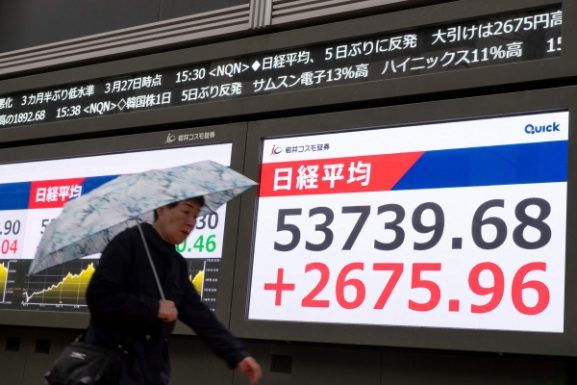
Markets, influenced by inflation concerns spurred by the conflict, have mostly dismissed the possibility of interest rate cuts this year. This marks a shift from last year’s period when monetary easing contributed to record highs in equity markets. The S&P 500 index recently closed its worst quarter since 2022, largely affected by the war and rising energy prices since late February.
Despite these headwinds, Dimon affirmed that the US economy remains resilient with consumers maintaining earnings and spending, although he acknowledged some recent weaknesses. He noted that businesses remain generally healthy but cautioned that past economic momentum has been substantially supported by significant government deficit spending and stimulus efforts. Dimon also pointed to the growing need for increased infrastructure investment.
Among economic positives, Dimon cited fiscal stimulus from President Trump’s “Big, Beautiful Bill,” deregulation efforts, and rising capital expenditure driven by artificial intelligence.
Turning to the private credit market, Dimon described it as relatively small at $1.8 trillion but warned that as the credit cycle weakens, losses in leveraged lending are likely to exceed expectations. He attributed this risk to modestly deteriorating credit standards and limited transparency and rigorous loan valuations in private credit, which may prompt investors to sell if conditions worsen.
Highlighting recent investor anxiety, he referenced Blue Owl’s announcement last week to restrict withdrawals from two funds following unprecedented redemption requests in Q1, fueled by AI-related concerns in its technology-focused fund.
Finally, Dimon used the letter to strongly criticize new capital regulations proposed by US banking regulators in the previous month. He dismissed parts of the proposals as “nonsensical” and expressed frustration that JPMorgan’s Global Systemically Important Bank (GSIB) surcharge would drop only to 5.0%. Dimon condemned this as punitive towards JPMorgan’s success, describing it as “absurd” and “un-American.”
— رويترز
تحليل خاص من عمانت | تصفح سوق عُمان
JPMorgan CEO Jamie Dimon’s warning about the Iran conflict underscores heightened geopolitical risks that could trigger prolonged inflation and higher interest rates, posing challenges for Oman’s oil-dependent economy. For businesses, this signals the need to brace for volatile commodity prices and potential supply chain disruptionsفي حين ينبغي للمستثمرين الأذكياء أن يأخذوا في الاعتبار diversifying portfolios to hedge against inflation and geopolitical uncertainties في الشرق الأوسط.