Oxy Oman Reports 9% Growth in Hydrocarbon Production: What This Means for Investors and Business Opportunities in Oman
Oxy Oman, a wholly owned subsidiary of the US-based multinational Occidental Petroleum, reported a زيادة 9% in hydrocarbon production across its extensive upstream assets in Oman in 2025. The company’s output, which includes crude oil, natural gas, and condensates, rose to 72,000 barrels of oil equivalent per day (boe/d) last year, up from 66,000 boe/d in 2024, according to its 2025 Annual Report.
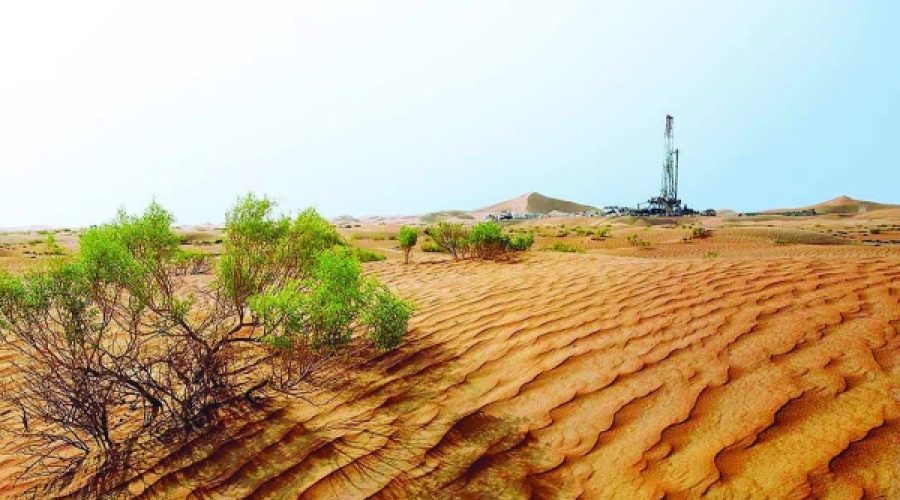
In Oman, Oxy operates Blocks 9, 27, 53 (Mukhaizna Field), 62, and 65, and holds additional interests in Blocks 30, 51, and 72, currently in the exploration phase. The combined upstream acreage spans approximately 24,300 square kilometers (6 million gross acres), with an estimated inventory of 10,000 potential well locations.
The company allocated around $400 million in development capital across this portfolio in 2025, drilling up to 120 wells during the year while advancing projects to support ongoing development and enhanced oil recovery (EOR) operations.
A significant achievement highlighted in the report is that cumulative output from Block 9—a key upstream asset operated by Oxy with a 50% working interest—has exceeded 853 million gross barrels since operations began. This milestone is credited to successful exploration, continuous drilling improvements, and EOR initiatives. Block 9 remains a mature but strategically vital production asset, contributing substantially to Oman’s oil output and expected to sustain production for decades through advanced reservoir management and recovery techniques.
OQ Exploration and Production (OQEP), an Omani upstream energy company, owns 45% of Block 9, with Kistos Energy holding the remaining 5%, the latter having recently acquired this stake from Mitsui E&P Middle East.
Another noteworthy aspect of Oxy’s 2025 performance is the Mukhaizna Field in Block 53, which is central to a major steam flood EOR project employing some of the world’s largest mechanical vapor compressors. Since taking over operations in 2005, Oxy has drilled over 3,600 new wells at Mukhaizna, substantially increasing production to more than 662 million gross barrels, while maintaining a strong commitment to operational excellence, environmental stewardship, and community engagement.
In 2025, Oxy secured a 15-year extension of its Block 53 contract, a move expected to deliver significant value to all stakeholders.
The company also added approximately 7 million barrels of oil equivalent (MMboe) in proved reserves from its Oman portfolio last year, aligning with Occidental’s global strategy to strengthen reserves.
Vicki Hollub, President and CEO of Occidental Petroleum, commented on the company’s reserves strategy:
“Every year, we continue to organically extend and improve our reserves. We strive to add at least as many reserves as we produce. At the end of 2025, Oxy’s worldwide proved reserves totaled 4.6 billion BOE. Reserve additions included extensions and discoveries amounting to 340 million BOE, mainly in the Permian Basin, and infill development projects contributing 115 million BOE primarily in the Permian and DJ Basins. This resulted in a 107% organic reserves replacement ratio and a 98% all-in reserves replacement ratio.”
Oxy Oman’s strong operational performance and strategic resource management underscore its vital role in Oman’s hydrocarbon sector and its commitment to sustainable growth and enhanced recovery techniques.
تحليل خاص من عمانت | تصفح سوق عُمان
Oxy Oman’s 9% production growth and $400 million investment in upstream development signal strong confidence in Oman’s hydrocarbon sector, offering substantial opportunities for local suppliers and service providers. With mature assets like Block 9 remaining productive through enhanced oil recovery (EOR) and long-term contract extensions, smart investors should consider the resilience and potential of Oman’s oil fields amid global energy transitions. Entrepreneurs and policymakers must also focus on leveraging advanced technologies and sustainability practices to maximize value and minimize environmental impact.