Reusing Spent EV Batteries: A Game-Changer for Clean Energy Investment and Business Opportunities in Oman
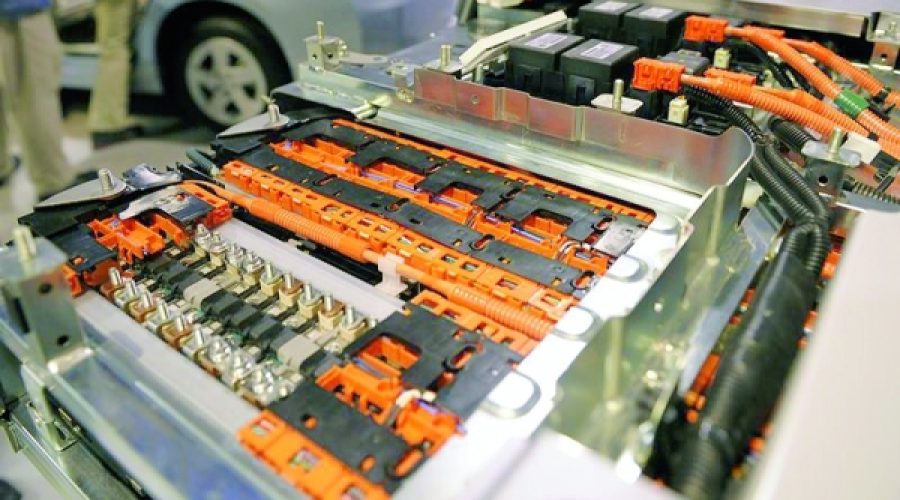
With the global transition to clean energy, managing spent electric vehicle (EV) batteries has become both a challenge and an opportunity, particularly for their reuse in sustainable energy storage systems. A recent study conducted in Oman highlights the significant technical and economic viability of repurposing these batteries within renewable energy infrastructure.
The research was carried out by a team from the College of Engineering and Technology at the University of Technology and Applied Sciences, Muscat. The team included Sara al Zadjali, Haya al Ghabshi, Zalkha al Akhzami, and Dr. Mohammed al Alawi.
Sara al Zadjali explained that the study aims to facilitate the integration of renewable energy, enhance energy efficiency, and promote sustainable solutions across the region. The findings show that combining reused EV batteries with photovoltaic solar energy systems can deliver reliable, cost-effective, and environmentally friendly energy.
Key results from the study indicate that these repurposed batteries achieve charging and discharging efficiencies exceeding 91%, underscoring their technical reliability. The research evaluated three locations in Oman—Al Dhafrat (residential), Al Duqm (industrial), and the Shaleem and Al Hallaniyat Islands (remote coastal)—each representing different environmental conditions. The team analyzed four 25-year power system scenarios that included the use of new and reused batteries in solar and hybrid (solar-wind) setups.
The study revealed substantial economic savings when second-life EV batteries were integrated into these systems compared to new batteries. Notably, the hybrid solar-wind system with reused batteries recorded the lowest adjusted cost of energy: 8.29 cents per kWh in Al Duqm and 6.94 cents per kWh in the Shaleem and Al Hallaniyat Islands. In Al Dhafrat, the solar system using reused batteries also showed competitive results at 16.14 cents per kWh, with a positive net present value indicating strong investment potential.
This research confirms that repurposing EV batteries is an effective method to support the circular economy, as these batteries typically retain 70–80% of their initial capacity after their automotive use. The findings align with Oman’s broader strategy to establish itself as a regional clean energy hub, backed by growing investments in battery technology and essential materials projects. This approach aims to optimize solar energy utilization and minimize waste.
Oman’s commitment to these initiatives supports the goals of Oman Vision 2040, which emphasizes economic diversification, sustainable resource management, and the transition to a circular economy model centered on reuse and recycling.
Special Analysis by Omanet | Navigate Oman’s Market
The integration of reused EV batteries into renewable energy systems presents a strategic opportunity for Oman to bolster its clean energy infrastructure while advancing a circular economy. Businesses focusing on renewable energy and battery recycling stand to benefit from reduced costs and enhanced sustainability, particularly in diverse environments like residential, industrial, and remote areas. Smart investors and entrepreneurs should consider leveraging this technological feasibility to support Oman Vision 2040’s goals, capitalizing on the growing demand for cost-effective, sustainable energy solutions with strong economic returns.