Reopening Hormuz Strait: What It Means for Oil Markets and Your Business Amid the Crisis
Shipping companies are currently grappling with confusion and uncertainty regarding the status of the Strait of Hormuz, a crucial chokepoint through which a significant portion of the world’s energy supplies pass. Mixed messages from Iranian and U.S. officials have left the industry uncertain about navigation conditions.
On Saturday, Iran’s military announced it would reimpose “strict” control over traffic in the strait. Even if the strait fully reopens soon, it will take weeks before substantial volumes of Arabian Gulf oil and gas reach global buyers. The path to recovery for this vital energy-producing region will be much longer due to the extensive damage sustained.
Consumers are unlikely to see gasoline prices drop below $3 per gallon anytime soon, a price level last seen before the U.S. and Israel attacked Iran on February 28. Shortages of products such as jet fuel and natural gas may persist for weeks or longer in certain countries.
Arjun Murti, a partner at Houston-based energy research and investment firm Veriten, stated, “We don’t expect oil prices — and therefore pump prices — to go back to prewar levels.”
The Strait of Hormuz, positioned between Iran and the Arabian Peninsula, acts as a critical valve for energy flow. Whether shipping companies redeploy tankers and energy producers resume production will depend largely on whether they believe the easing of tensions between Iran, the United States, and Israel is sustainable.
Spencer Dale, former chief economist at BP and now a visiting professor at the London School of Economics, noted that producers who halted oil and gas wells will be hesitant to restart them “until people have confidence that you have a lasting agreement.”
On Friday, Brent crude futures, the commonly cited international oil price benchmark, fell by 9% to about $90 per barrel, the lowest since the second week of the conflict. However, the spot price — which reflects the cost for an actual tanker of oil — was nearly $99 per barrel, according to Argus Media. This spot price more accurately indicates the real cost of energy to economies.
Dale explained, “Normally this distinction between the two markets is something for oil geeks and traders to worry about. It really matters right now.”
A major factor influencing oil prices will be whether shipping companies and their insurers deem the strait safe for passage.
The situation remained unclear as of Saturday, with Iran’s military maintaining “strict control” over the strait, despite the Iranian foreign minister’s assertion a day earlier that the strait was “completely open.” U.S. President Donald Trump hailed the foreign minister’s statement as a breakthrough but complicated the issue by insisting on maintaining a U.S. blockade on vessels heading to or from Iranian ports, effectively blocking recent Iranian energy exports.
As of Friday afternoon, few ships had returned to transit the strait in large numbers.
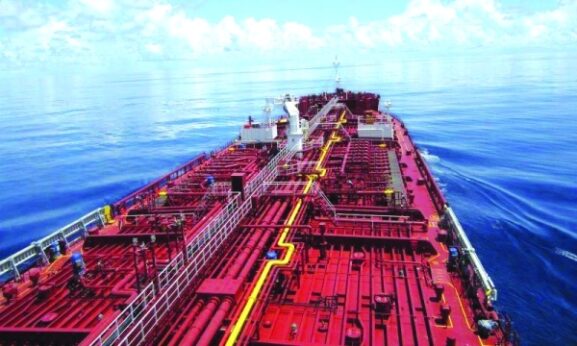
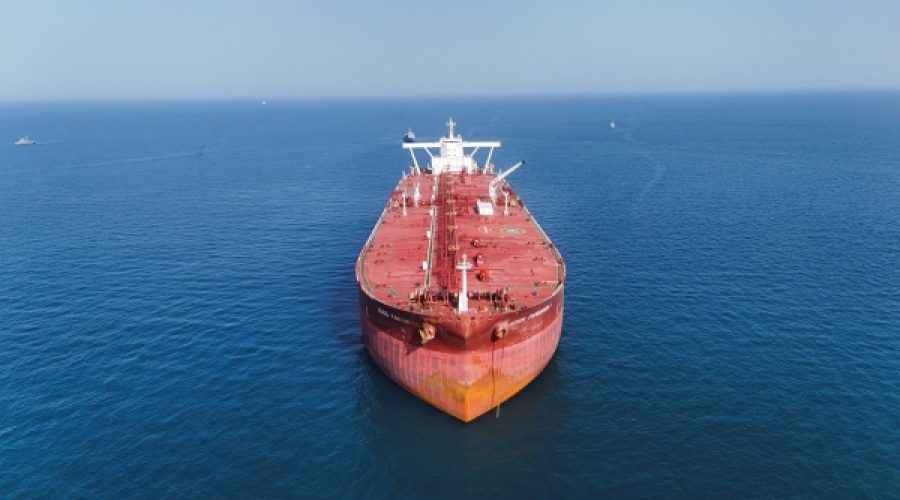
If shipping resumes from Iran’s neighboring countries, the immediate task will be to move tankers loaded with energy stuck in the Persian Gulf to Asia and Europe, regions heavily reliant on this supply. Empty tankers could then collect fuel from storage facilities, freeing capacity for new oil and gas production and providing a much-needed boost to the global economy.
However, the conflict has inflicted severe damage that will take months or years to fully repair. An estimated 10% of the world’s oil supply has been shut in, and more than 80 energy facilities in the region have been damaged, many severely, according to the International Energy Agency (IEA). IEA Executive Director Fatih Birol warned that restoring output to prewar levels could take up to two years.
—
This article is republished from The New York Times.
Special Analysis by Omanet | Navigate Oman’s Market
The ongoing uncertainty surrounding the Strait of Hormuz poses significant risks and operational challenges for energy and shipping businesses in Oman, as prolonged controlled access and regional instability could prolong supply disruptions and elevated prices. Smart investors and entrepreneurs should focus on diversifying supply chains, investing in energy storage and alternative routes, and closely monitoring diplomatic developments to capitalize on emerging opportunities while mitigating risks linked to prolonged volatility in global energy markets.