Oman’s Crude Prices Surge by $7.25: What This Means for Investors and Business Owners in Oman
Muscat – The price of Oman crude oil for June delivery reached $99.26 on Tuesday.
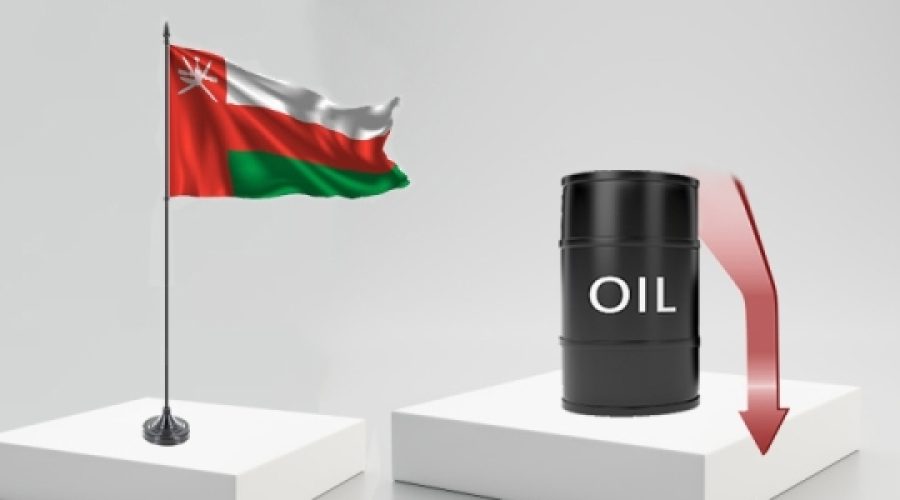
This marked a decrease of $7.25 compared to Monday’s price of $92.01. Meanwhile, Brent crude oil declined by 0.2 percent, settling at $98.29 per barrel.
Oil prices fell and stock markets showed mixed performance on Wednesday as investors evaluated the prospects of US-Iran peace talks. This followed former US President Donald Trump’s decision to extend a ceasefire at the last moment, while maintaining the blockade on the strategic Strait of Hormuz.
Traders have faced uncertainty after Tehran announced on Friday that it would allow ships to pass through the Strait of Hormuz, which it had effectively closed since the war began on February 28. However, Iran reversed this decision the next day, citing the US blockade and the seizure of a vessel.
Trump accused Tehran of breaching the ceasefire by harassing ships in the waterway, a critical transit route for approximately one-fifth of the world’s oil supply.
These developments caused crude prices to fluctuate significantly but kept them below the $100 mark. Equity markets remained relatively stable, buoyed by cautious optimism that the conflict, now in its seventh week, might soon be resolved, thus lessening its negative impact on the global economy.
Fawad Razaqzada, an analyst at FOREX.com, commented, “With markets surging amid optimism that the war is soon going to end, and the Hormuz Strait to open, markets are now more cautious.”
Special Analysis by Omanet | Navigate Oman’s Market
The recent volatility in Oman crude prices, driven by geopolitical tensions and the ongoing US-Iran standoff over the Strait of Hormuz, underscores significant risks for Omani businesses reliant on oil exports. While the easing threat of prolonged conflict offers a cautious optimism, smart investors and entrepreneurs should prepare for continued market fluctuations and explore diversification opportunities beyond oil to hedge against future instability.